Get the latest news and updates from Dawn
EVERY few years, Pakistan revisits the debate on creating new provinces. The interior minister’s recent proposal to establish smaller administrative units has again raised an important question. Yet the real issue is not how many provinces Pakistan should have. It is whether government is close enough to serve its citizens effectively. Administrative boundaries matter only because they influence how quickly people receive education, healthcare, justice, infrastructure and disaster relief. If governance remains distant and unresponsive, merely redrawing maps won’t improve lives.
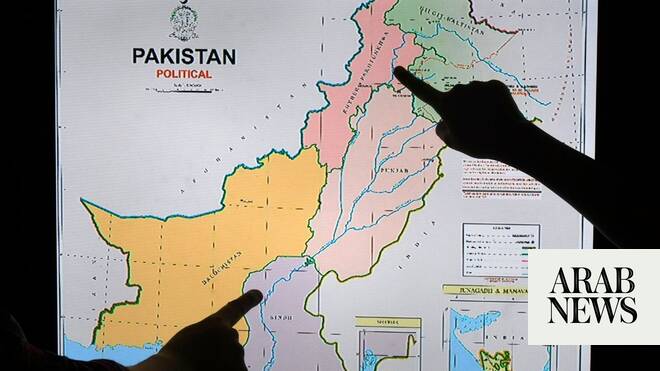
With over 240 million people spread across nearly 796,000 square kilometres, Pakistan is one of the world’s largest federations. Its administrative challenges vary enormously — from the mountains of Gilgit-Baltistan to the deserts of Thar and the vast expanse of Balochistan. A governance model suited to Lahore or Karachi cannot automatically meet the needs of Kech, Upper Kohistan or Astore. The real challenge is one of state capacity rather than geography alone.
Pakistan’s history reflects repeated efforts to balance national unity with effective administration. At independence in 1947, West Pakistan comprised Punjab, Sindh, the North-West Frontier Province, the Chief Commissioner’s Province of Balochistan, princely states — including Kalat, Bahawalpur and Swat — and the Tribal Areas. The 1955 One Unit scheme attempted to centralise administration; instead, it deepened regional grievances. Its abolition in 1970 and the federal framework established by the 1973 Constitution reaffirmed the importance of provincial autonomy. More recently, the merger of Fata into KP demonstrated that Pakistan’s administrative structure can evolve when necessary. Yet demands for South Punjab, Hazara and Bahawalpur continue because many citizens still feel distant from provincial capitals.