Get the latest news and updates from Dawn
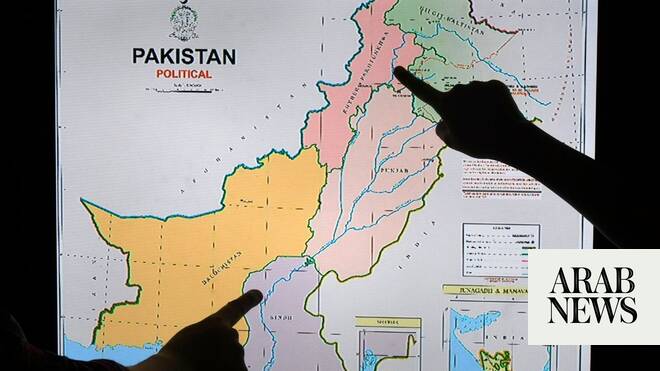
INTERIOR Minister Mohsin Naqvi has rightly diagnosed Pakistan’s poor performance. But will his prescription — the creation of 12 or 32 provinces and administrative units — take us towards inclusive and sustained economic growth? If the present system is to be reset, this should be the end goal against which any proposed restructuring must be judged.
Two pillars need strengthening. The first is the delivery of basic services — education, healthcare, drinking water, garbage disposal, public transport, etc. — at the grassroots level. Citizens must have easy access to their elected representatives. The second is to unleash the private sector’s entrepreneurial energies by replacing intrusive, remotely located and unaccountable bureaucratic agencies with local, facilitative institutions. Businesses must be enabled to produce exportable goods and services, create economic opportunities for the youth and raise living standards. It is against these two criteria that the proposal for new provinces should be evaluated.
First, the proposal could disrupt the process of fiscal consolidation. Pakistan is making progress on this front, with a remarkably low fiscal deficit and a surplus on the primary balance. Medium-term tax reforms are also being contemplated: rationalising tariffs, abolishing the super tax, easing the burden on salaried taxpayers, providing relief to exporters and expediting refunds, reducing GST on selected items used by the poor, improving collection of agricultural income tax, urban property tax and GST on professional services, and harmonising federal and provincial tax filing. These reforms could lose momentum if political and administrative energies are diverted to territorial reorganisation. Our history shows that just when things begin moving in the right direction, we take one step forward and two steps backwards, returning to square one.