Story audio is generated using AI
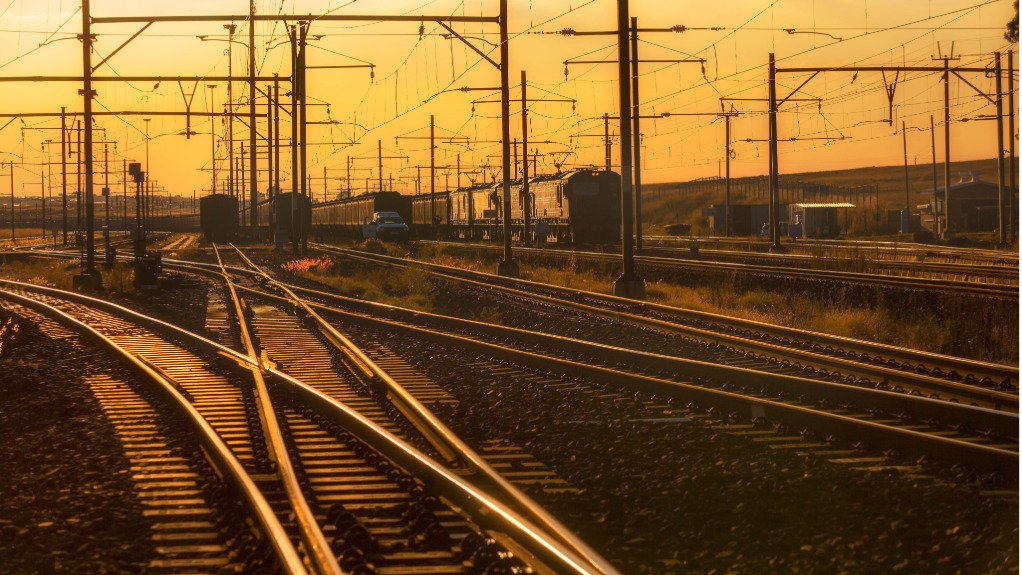
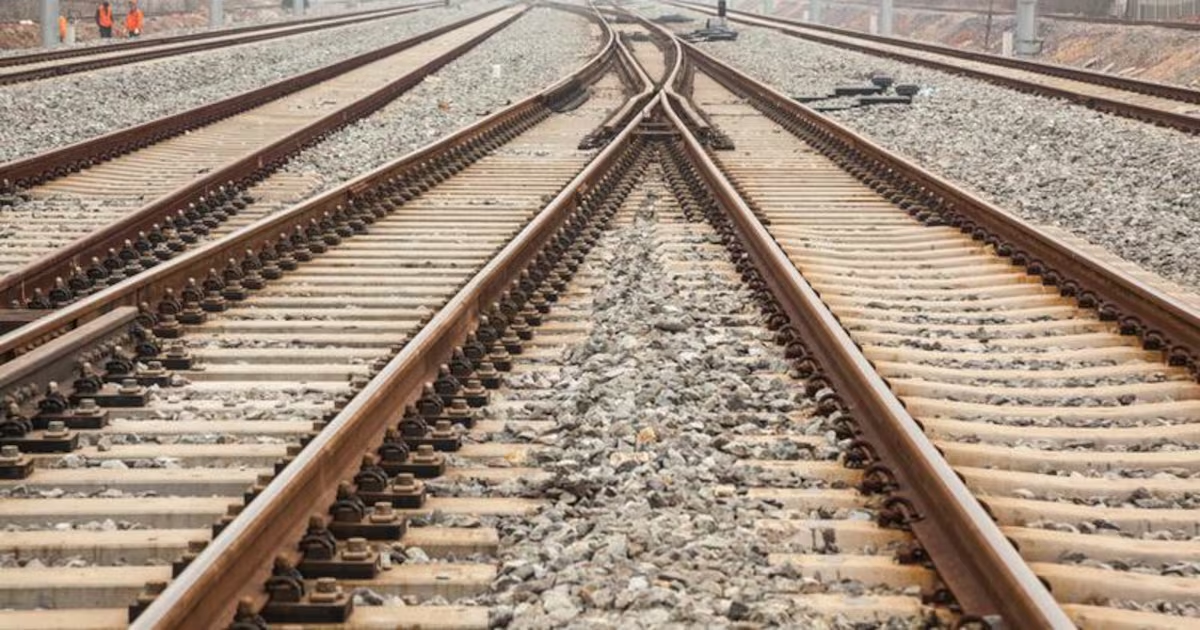
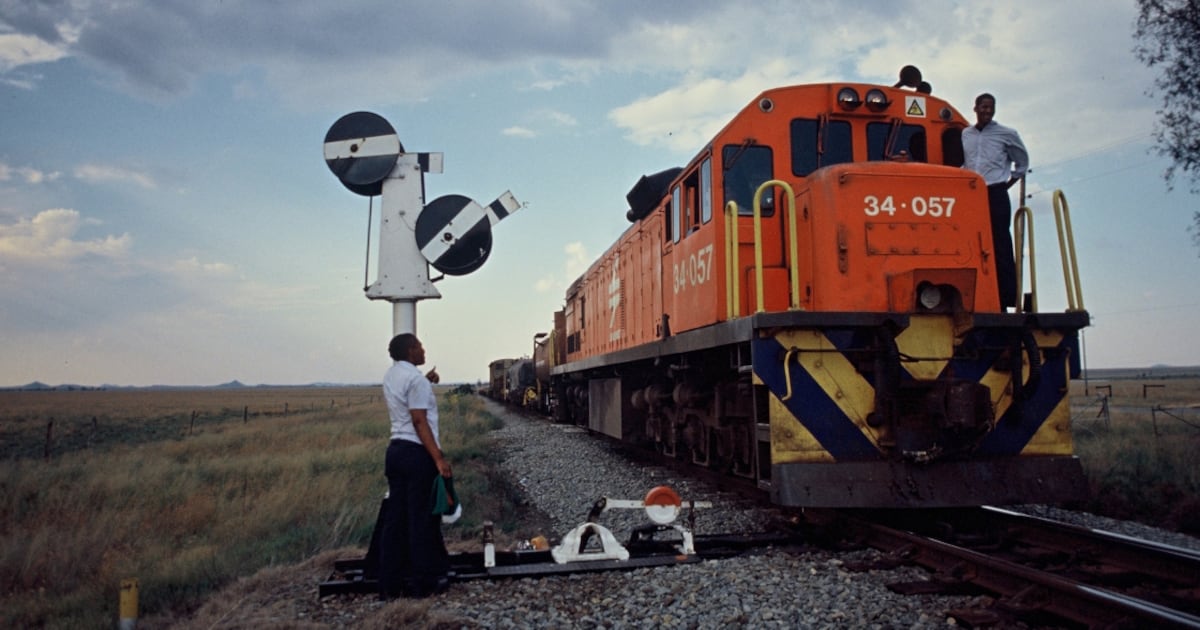
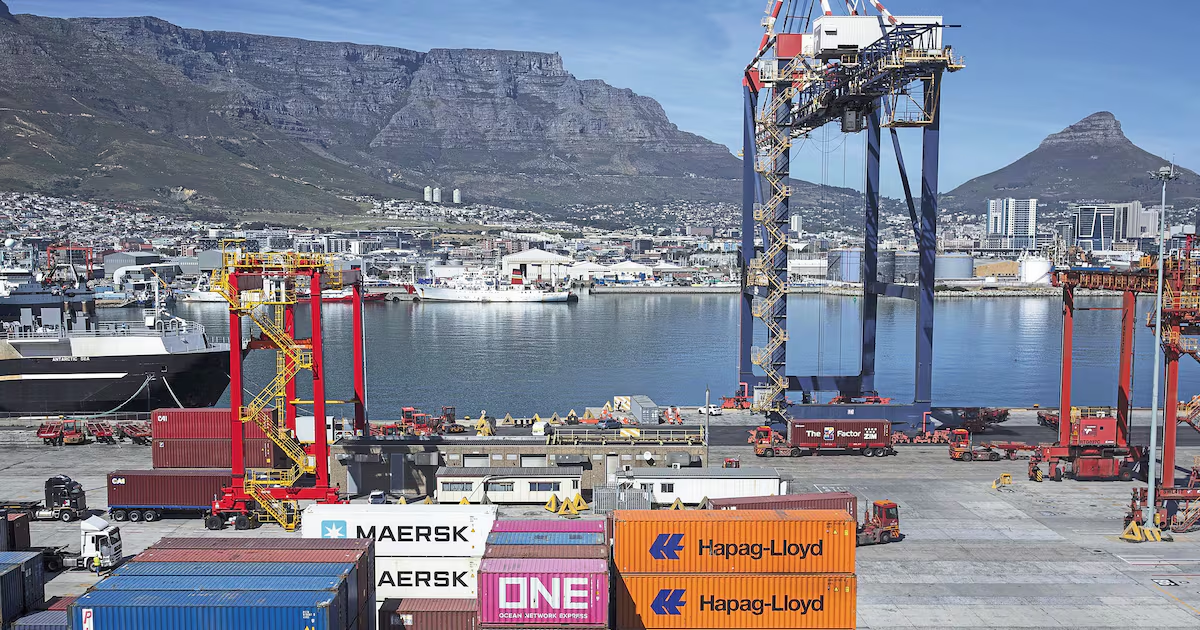
Transnet Rail Infrastructure Manager (TRIM) says the revival of its B-network will help unlock economic potential in rural and remote areas as it seeks to operate the system with private players.Through TRIM, Transnet published a request for information (RFI) inviting private companies to enter into partnerships to increase productivity on the B-network, which is in poor condition after years of neglect.Due to the lack of activity on the system, sections have become overgrown with vegetation and are difficult to access because of damaged service roads that are in need of restoration.The RFI is set to probe possible partnerships in freight and beyond, including agriculture, mining, manufacturing, passenger services and tourism-related rail services.TRIM said the RFI was issued to better understand market interest and potential solutions and should not be interpreted as confirmation that particular sectors or operators have already been selected.The RFI seeks feedback from the private sector on how to:Restructure the network by closing low-density short lines with no traffic potential to protect the commercial viability of the core network;Put up noncore lines for co-funding by the public and private sectors through a transparent process;Help decide the disposal of nonstrategic, noncore lines where no expressions of interest are received, while protecting the alignments and rights of way for possible future use; andConcession of strategic noncore lines where funding is inadequate to maintain individual lines.TRIM said the revitalisation of these lines could help bolster local and regional economic development, particularly in rural and remote areas.“It could also support job creation, improve connectivity to economic opportunities and enable the movement of appropriate freight from road to rail, thereby contributing to reduced pressure on South African roads,“ TRIM said.According to the document, the majority of industries depend on the movement of cargo from farms, mines, and manufacturing plants to destinations in and outside South Africa. “Revitalising branch lines generally located in remote, rural areas could unlock local economic development, thereby uplifting the communities that reside there,” it said.Branch lines, which make up the B-network and were historically built to link agricultural areas, mines and industrial sites to the main railway, have been underutilised due to the decline in manufacturing activity.Revitalising branch lines generally located in remote, rural areas could unlock local economic development, thereby uplifting the communities that reside there.— TRIMDwindling industrial activity in some areas and the deregulation of road transport in the early 1990s also contributed to the challenges.It meant that Transnet could not recover the cost of maintenance of these lines over the years and focused its efforts on lines that could self-fund.“The maintenance budgets therefore declined in line with the levels of activity and carrying capacity was reduced. The revitalisation of these lines therefore requires not only infrastructure intervention but also consideration of alternative funding, operating and partnership models,” said TRIM.Unlike the core A-Network, the B-Network is intended to follow a separate access regime, predominantly comprising private-sector participation (PSP) solutions and alternative funding models, said TRIM.Transnet’s estimated 21,000 route kilometres comprises the A-Network, dubbed the core backbone network of railway highways, which moves more than 80% of Transnet’s freight traffic. The A-Network allows the transportation of heavy mining commodities including coal, manganese and iron ore, as well as chrome, alongside the B-Network.The B-Network is described as the feeder network responsible for the “first mile” and is important for agricultural and rural communities.For example, an agricultural producer based between 150km and 300km from the Durban, Cape Town, Gqeberha or Richards Bay corridors and ports does not get the benefit of a rail highway if the only economical way of reaching it is by truck.Also, fruit, grain, timber and other agricultural products are generally far from major national freight corridors, making the feeder network vital for these volumes.The South African national rail masterplan’s broader objective is to make rail the backbone of the transport and logistics ecosystem and rebalance freight from road towards rail, said TRIM.“Government explicitly identifies road congestion, logistics costs and declining competitiveness as consequences of rail’s deterioration. This network plays an important role in connecting economic activity, including agriculture, mining and manufacturing, to the broader rail network and ultimately to markets and consumption, packaging and export points.” According to TRIM, the backbone depends on feeder systems to combine traffic from mines, farms, industrial areas and regional economies.As part of the rail reform programme, TRIM opened third-party access to 11 train operating companies (TOCs) a year ago.While the first TOC is expected to begin operations on its main allocated slots in January 2027, it is at an advanced stage of securing the necessary approvals to run test trains with at least three TOCs during the fourth quarter of 2026, TRIM said.The test runs form part of the rail safety regulator approval process and will enable operators to demonstrate operational readiness.“TRIM has also moved to the onboarding stage of the TOC operational readiness journey. The key objective of the onboarding process is to equip TOCs with all the knowledge, including key interface points, that will assist them to operate efficiently and seamlessly on the rail network”.Business Times