Story audio is generated using AI
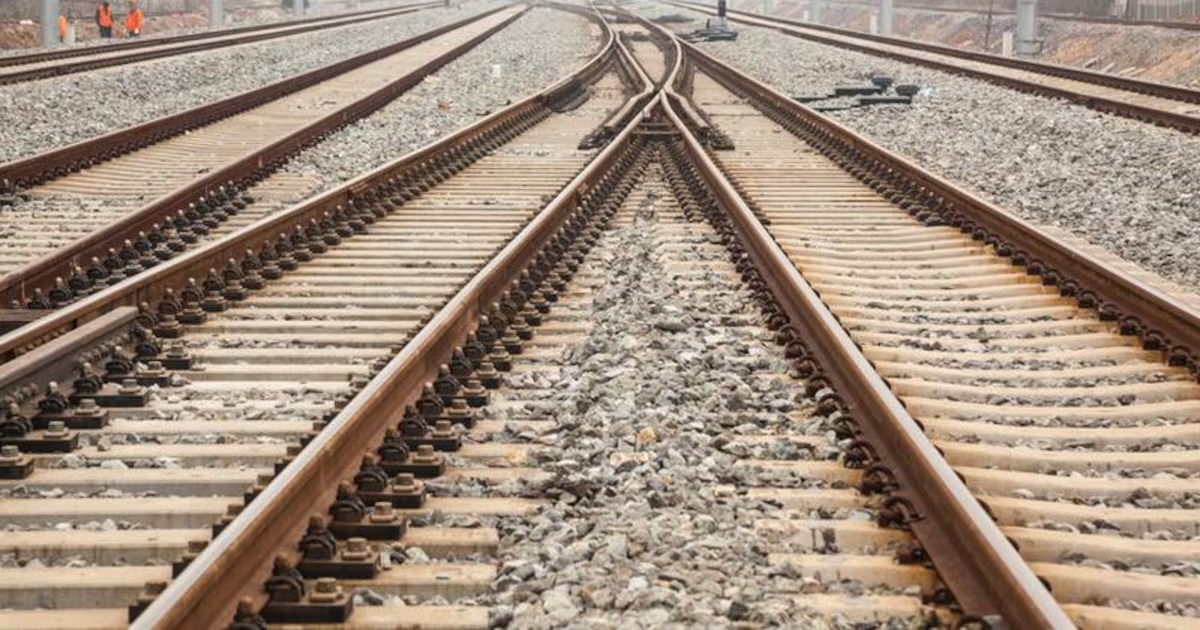
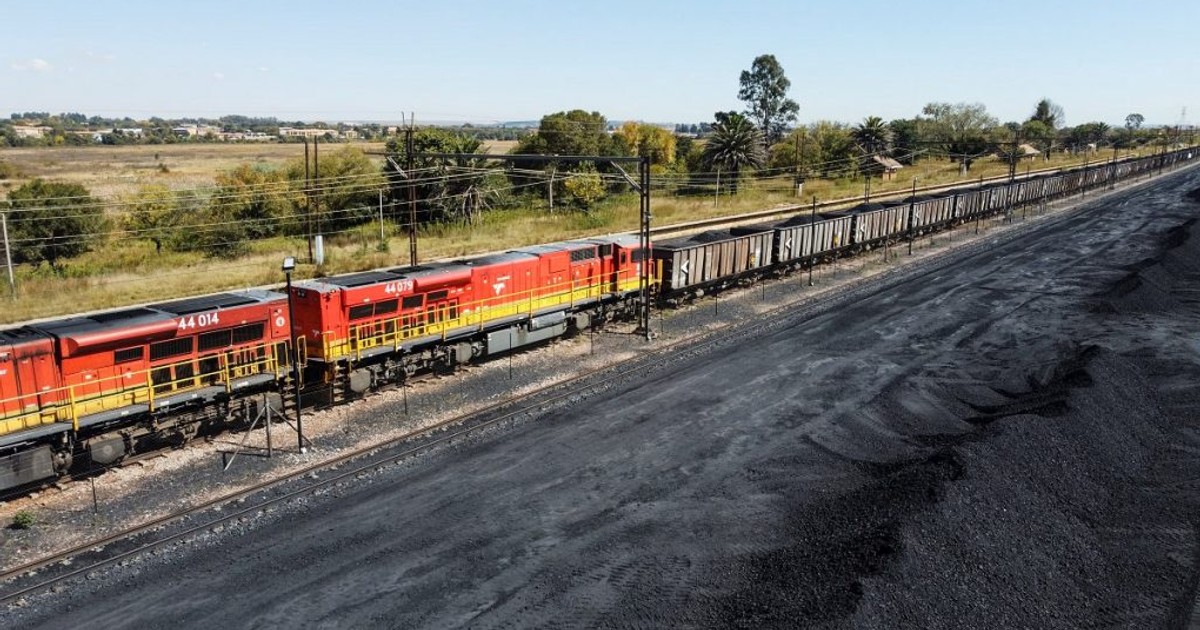
Freight and rail group Transnet aims to assemble an army of security guards and deploy drones to protect its central corridor from theft and vandalism as it prepares to open the rail network to private sector operators.Protecting the corridor, geographically spread over three provinces (Gauteng, the Free State and the North West), has proved to be a difficult task, with the corridor reporting nine theft incidents daily in the third quarter of the 2025/26 financial year.Incidents in the central corridor include overhead track equipment and signal cable theft, robberies, vandalism and theft of perway components such as fastenings and wooden sleepers, with crime syndicates cashing in on the illicit copper market.“The relentless attacks on personnel and vandalism of business-critical infrastructure at the Trim [Transnet Rail Infrastructure Manager] operating division within the central corridor have resulted in operational disruptions. The frequency of these disruptions has increased in recent years and is now affecting the rest of Transnet’s operational value chain,” Transnet said in a tender document.“The central corridor is a strategic and important go-through passage for different corridors. Transnet’s primary business is to provide rail transport of commodities for the export, regional and domestic markets.”The group aims to procure the services of more than 1,000 security guards, nearly 100 vehicles, several crime-prevention motorcycles, K9 dogs and water-resistant drones.The corridor is key to the north-south interface through landlocked Botswana, via the Mafikeng to Krugersdorp and Vryburg rail lines, and therefore supports regional integration.It is a feeder to the ports of Maputo, Richards Bay, Durban, Port Elizabeth and Cape Town. Due to its geographical position in the centre of South Africa’s rail network, the central corridor serves as a vital thoroughfare and pivotal connection point for other corridors, fulfilling an enabling role for cross-network rail traffic. Commodities moved through this corridor include chrome, coal, iron ore, manganese and time-sensitive traffic of containers and vehicles.It plays a big role in bolstering the manufacturing industry, particularly automotive, by providing essential rail connectivity and services to the vehicle hub and container terminal in Pretoria.Trim in May concluded rail access agreements with the 11 private train operating companies that were last year allocated slots on South Africa’s mainline rail network.Some of the companies were aiming to start operations before year-end, while most were expected to be operational during the course of next year.Read: How Cape Town port disruptions cost fruit exporters billionsTrim published network statement version four last week, with refinements to the slot allocation system. The statement shows that the central corridor reported 866 security incidents, averaging nine daily in the third quarter of the 2025/26 financial year.The statement notes that security service providers will enforce a mix of physical guarding, armed response teams, and interventions to address organised crime groupings behind the illicit copper market.Another corridor plagued by theft is the container corridor, the backbone of South Africa’s general freight rail transportation network. The corridor is the rail artery to the Port of Durban, playing a key role in linking it to the hinterland in addition to linking inland freight terminals servicing the broader Gauteng area and neighbouring countries.According to the network statement, the corridor suffered from signal cabling theft, averaging three incidents a day.The Cape corridor, which has the largest area footprint of the six corridors, stretching from Warrenton in the northeast to Cape Town and from Hotazel in the north to Gqeberha in the south, has seen substations go offline due to theft and vandalism, with two criminal incidents a day.The main line is being re-energised between Paarl and Salbar, with the project expected to provide increased detection capabilities and reduced response times of intervention teams to any tampering with infrastructure.The north-east corridor is also reporting two security incidents per day. The corridor strategically links South African rail freight transportation with that of multiple Southern African Development Community countries, mainly through Eswatini, Zimbabwe, Mozambique, Zambia and the Democratic Republic of Congo. Commodities are transported via various border posts or gates of entry such as Komatipoort, Golela, Beitbridge, Livingstone and Sakania.The north corridor is not faring any better, with daily security incidents twice a day. “The corridor is currently experiencing theft and vandalism of some relay room and trackside signalling equipment, mostly on the Pendoring to Ogies [line] and between Ulundi and Richards Bay,” the network statement notes.The corridor is the prominent line section of the heavy-haul export line between Ermelo-South and Richards Bay.The Ore Corridor, which stretches 861km from Sishen in the Northern Cape to Saldanha on the Western Cape coast, has made some progress in reining in security breaches but still reports three daily incidents.Business Day