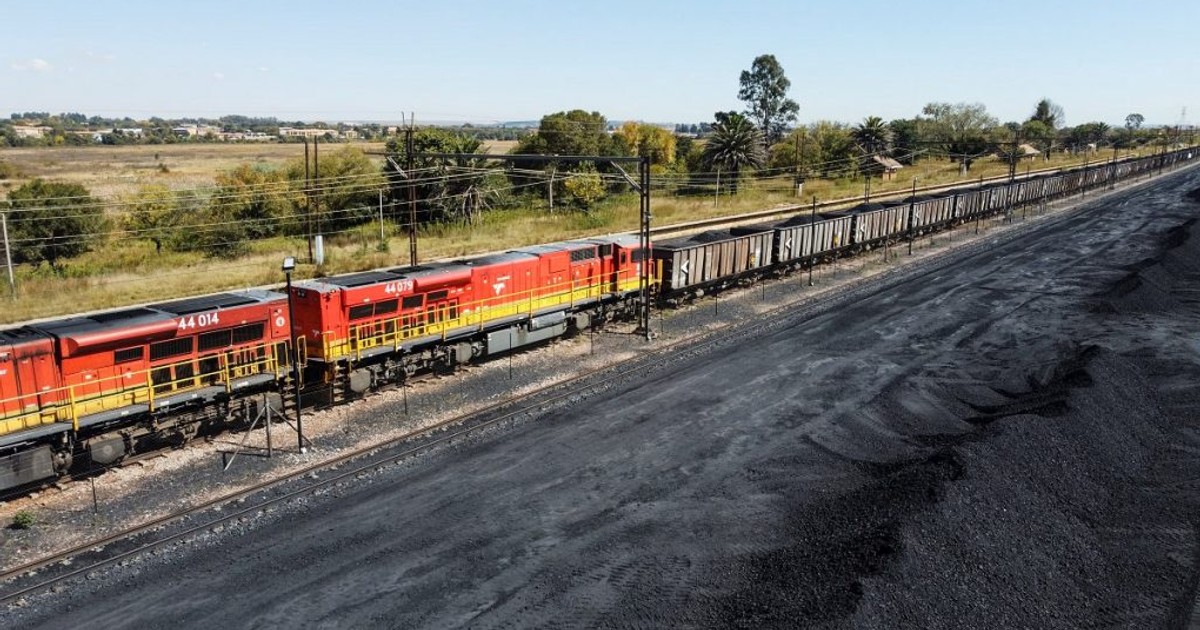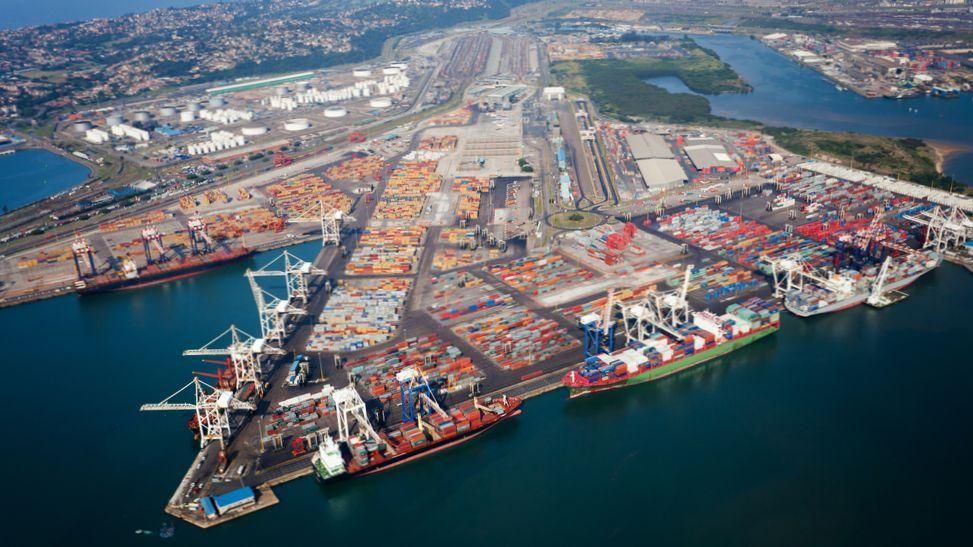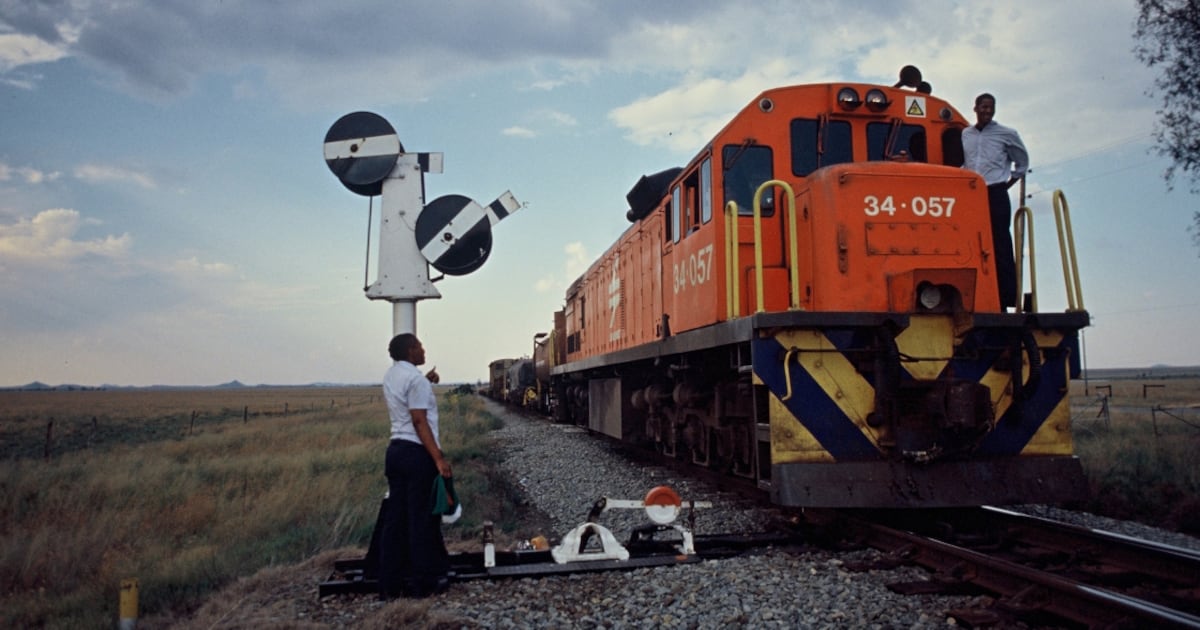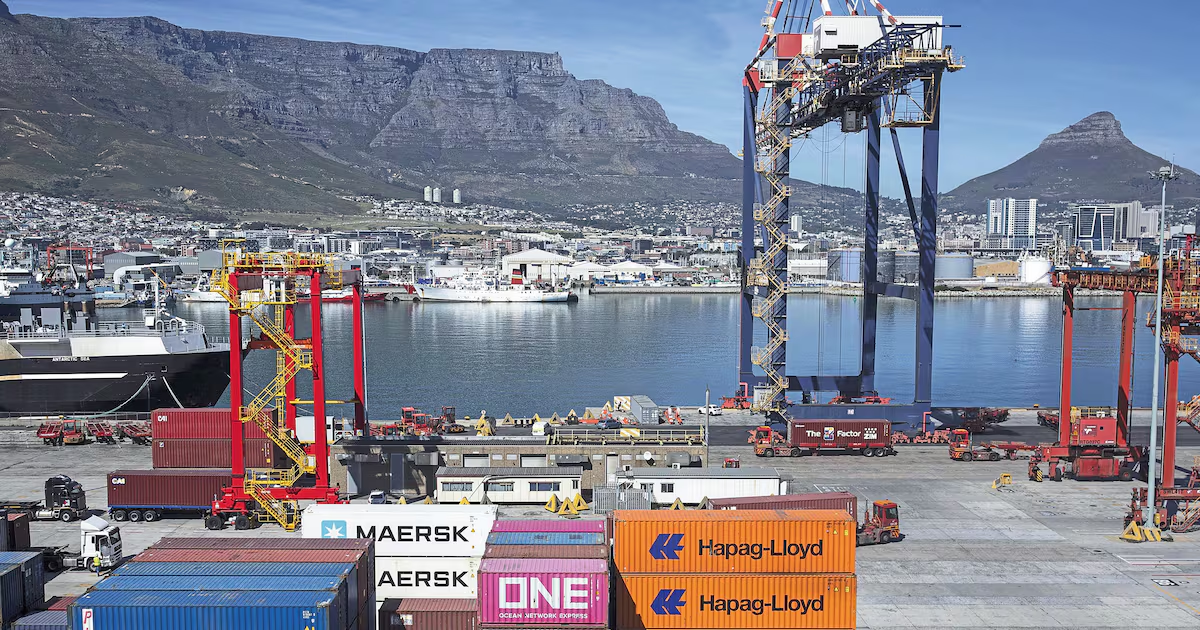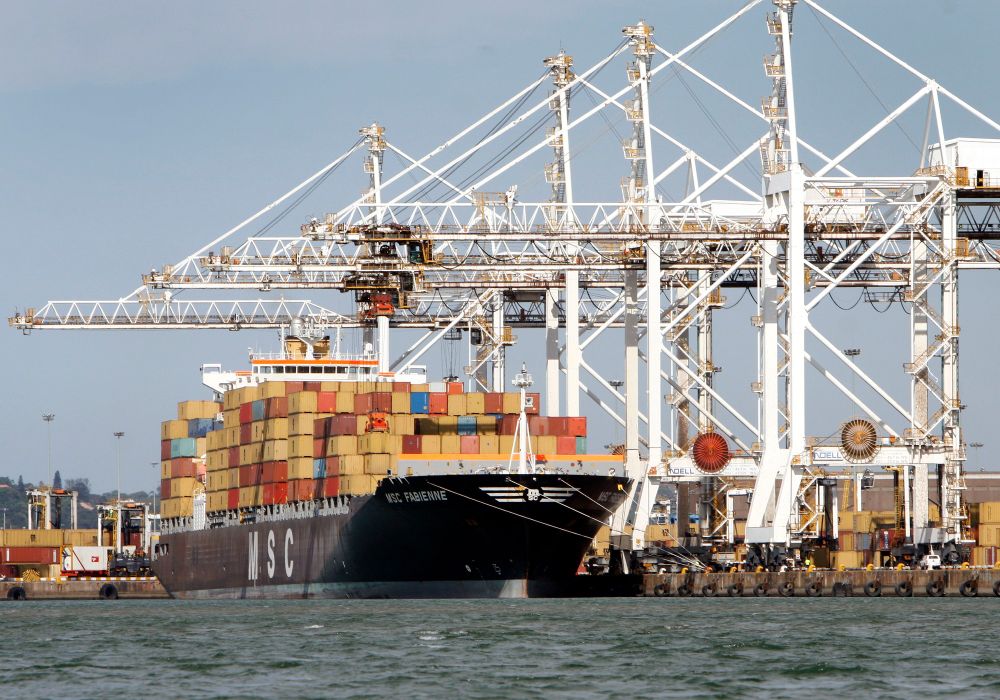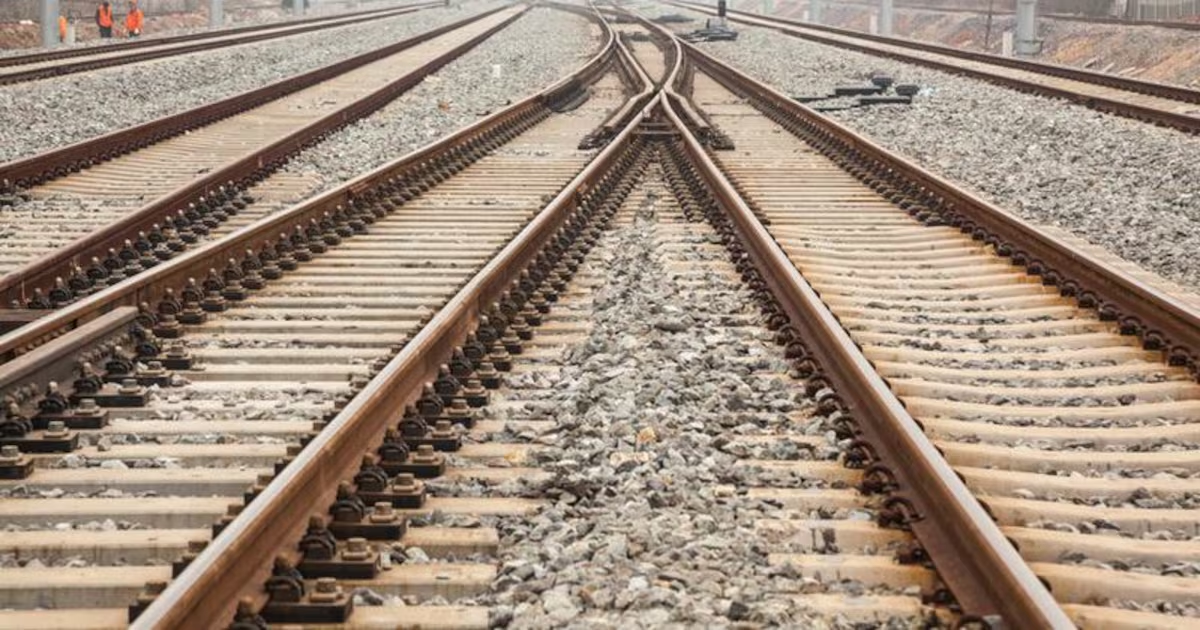
Transnet is reviewing its vast 9,000km secondary, underutilised, or nonfunctioning railway line, with unviable lines set for closure and others concessioned to the private operators as the government moves to speed up reforms.The entity’s 30,000km rail network is divided into two: the A-Network and the B-Network, with the latter deemed the secondary line made up of smaller, lower-traffic or damaged lines, while the former constitutes high-volume corridors connecting major economic hubs such as mines and ports.The Transnet Rail Infrastructure Manager (TRIM), created to manage, maintain and regulate access to the national rail network, has now identified the first phase of the private sector participation programme on the low-density B-Network to be taken to the market.To assist TRIM with the design of the private sector participation bid packages, Transnet has issued a request for information to gauge market interest in investing in the secondary network.This is part of its generational reforms of South Africa’s logistics sector, which has already seen third parties given access to the A-Network.The request for information said some of the lines have already attracted interest from external parties in operating tourist or passenger trains and, to some extent, freight services.The private sector participation programmes TRIM is embarking on has the following main objectives for increasing performance and throughput on the rail B-network comprising feeder and branch lines:Right-sizing the network by closing low-density short lines with no traffic potential to protect the commercial viability of the core network.Make nonstrategic noncore lines available for co-funding by the public and private sector.Disposal of nonstrategic, noncore lines where no expressions of interest are received, while protecting the alignments and right-of-ways for possible future use.Concession strategic noncore lines if funding is inadequate to maintain individual lines.“Respondents should also indicate their interest in participating in any potential procurement programme and suggest any key design principles that they wish for TRIM to consider when designing such a programme,” the request for information says.“The information received from respondents will inform TRIM of potential private sector participation projects falling within the ambit of the private sector initiative and the state of readiness of any such private sector participation projects.“The responses will also be used to assess whether any changes are required to the design of the private sector participation projects and assess market interest in participating in any procurement for private sector participation projects if they are ultimately launched.”The issuance of the request for information comes just a week after TRIM concluded agreements with 11 private sector players tapped by Transnet to operate on its rail network.Multinational global container shipping major MSC will also have access to the network through its partnership with TLD Marine, as will diversified miner Menar.Other outfits that will participate, having concluded the necessary agreements with TRIM, include the UAE’s ARC South Africa, The Railway Corporation, TLD Marine, Sharp Logistics, Barberry, Minrail, Iracema, Motheo Logistics and Interlinks.The companies are expected to play a big role in Transnet’s ambition to improve rail volumes from about 180-million tonnes (Mt) to 250Mt by 2030.Transnet said the allocation to the private sector, which spans five strategic corridors, will introduce an additional 24Mt of freight capacity, with the potential to scale it to 50Mt.The country’s seaports are also undergoing rapid transformation, with the private sector set to play a pronounced role.Transnet last year signed a landmark 25-year contract with Philippines-based International Container Terminal Services (ICTSI) to operate Durban Container Terminal Pier 2 (DCT2).DCT2 is Transnet’s biggest container terminal, handling more than 65% of the Port of Durban’s throughput and 40% of South Africa’s port traffic.Transnet is looking for a similar private sector partnership at Richards Bay Dry Bulk Terminal — one of South Africa’s largest and most strategic multicommodity dry bulk facilities, playing a critical role in supporting the export of commodities such as chrome, magnetite, coal, woodchips, chloride and alumina.The plan is to increase export capacity at the facility by 45%, boosting the fiscus. To this end, the entity this year issued a request for qualification.The reforms in the logistics sector were acknowledged by Business Leadership South Africa CEO Busi Mavuso in her weekly letter, published on Monday.“To ensure the open access rail system now envisaged by policy continues to boost volumes and efficiencies, we urgently need the fourth network statement, which the Transnet Rail Logistics Manager says is at an advanced stage of finalisation,” Mavuso said.“Delays mean ongoing losses in competitiveness. We’re making progress, but we’re still years behind where we should be.“Transport minister Barbara Creecy and Transnet CEO Michelle Phillips (and her team) deserve credit for this progress. The minister’s leadership extends beyond ports and rail.”
Transnet woos private sector for 9,000km secondary rail line
Several companies are interested in operating tourist, passenger and freight services
762 words~3 min read