Story audio is generated using AI
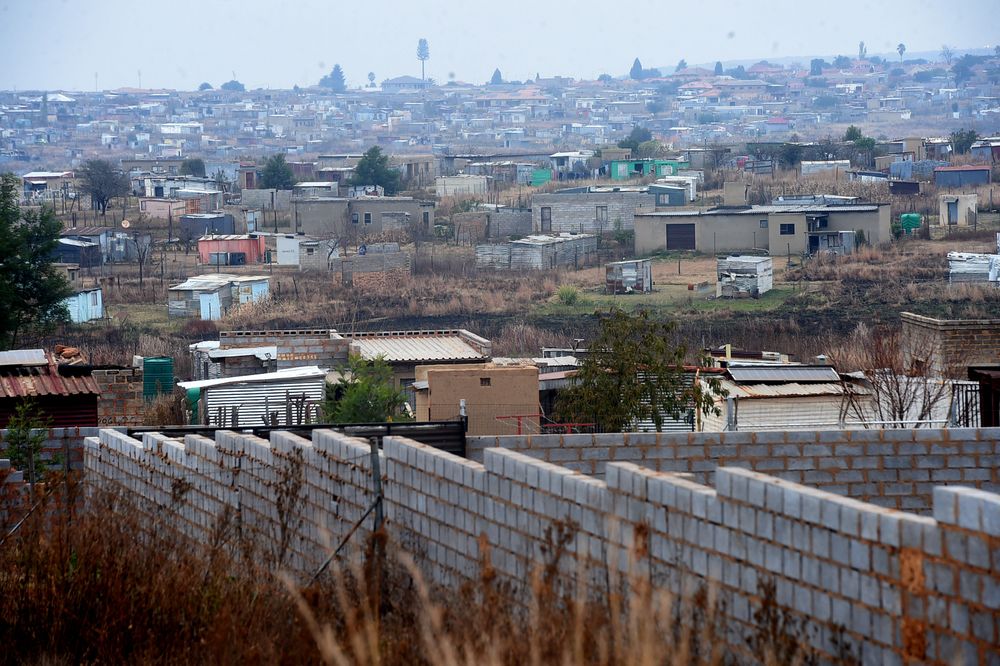
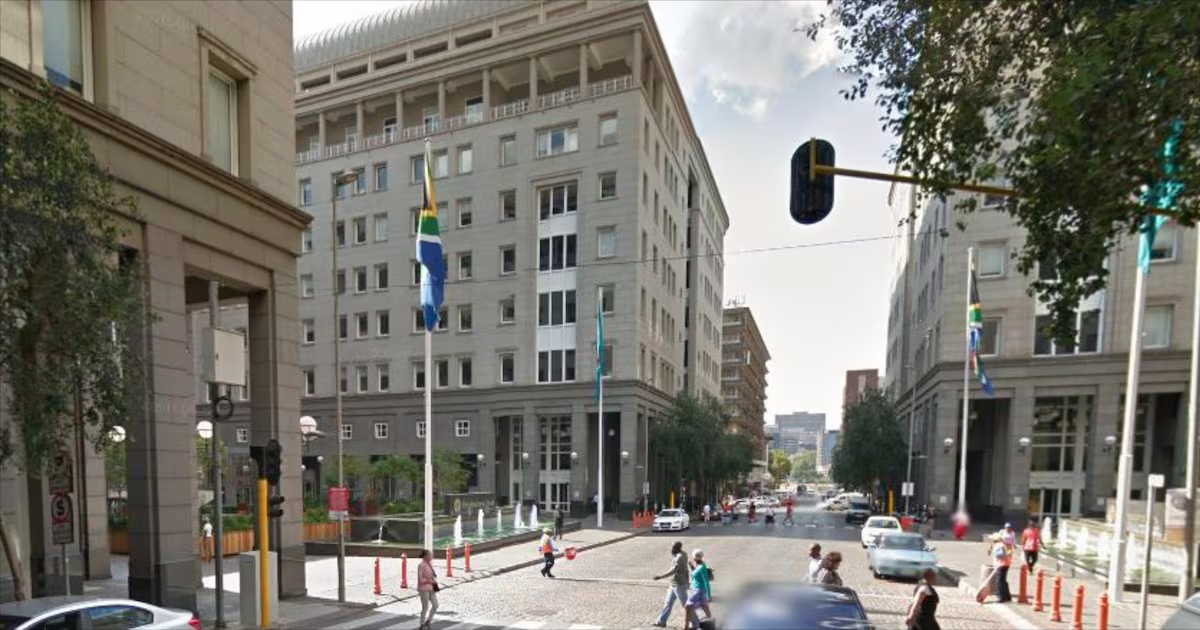
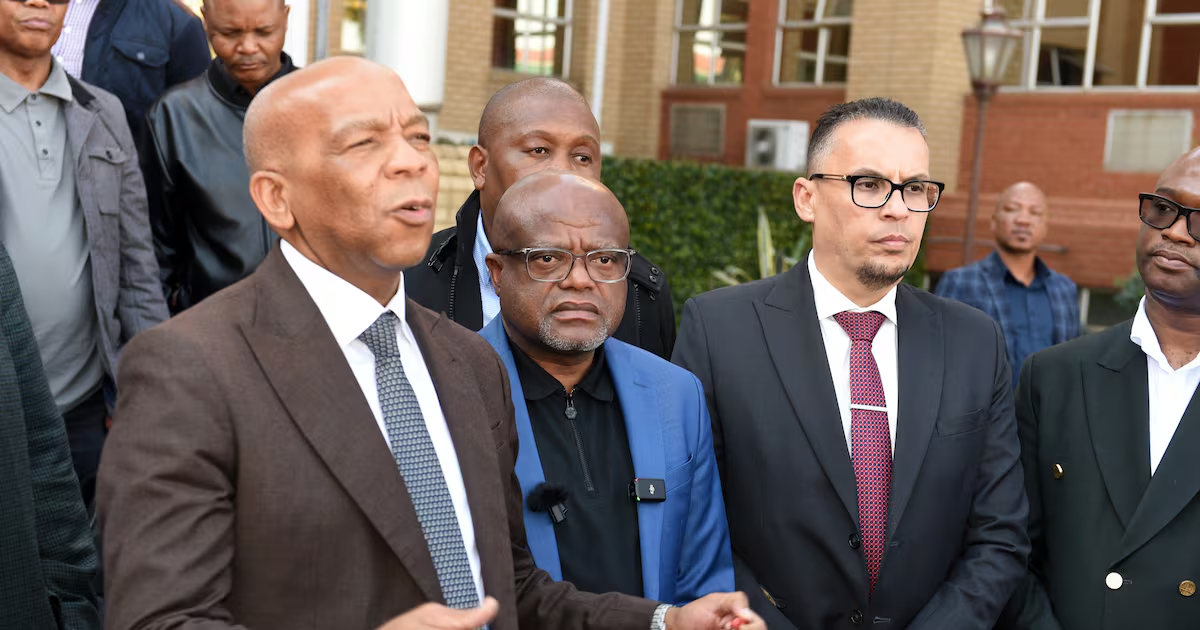
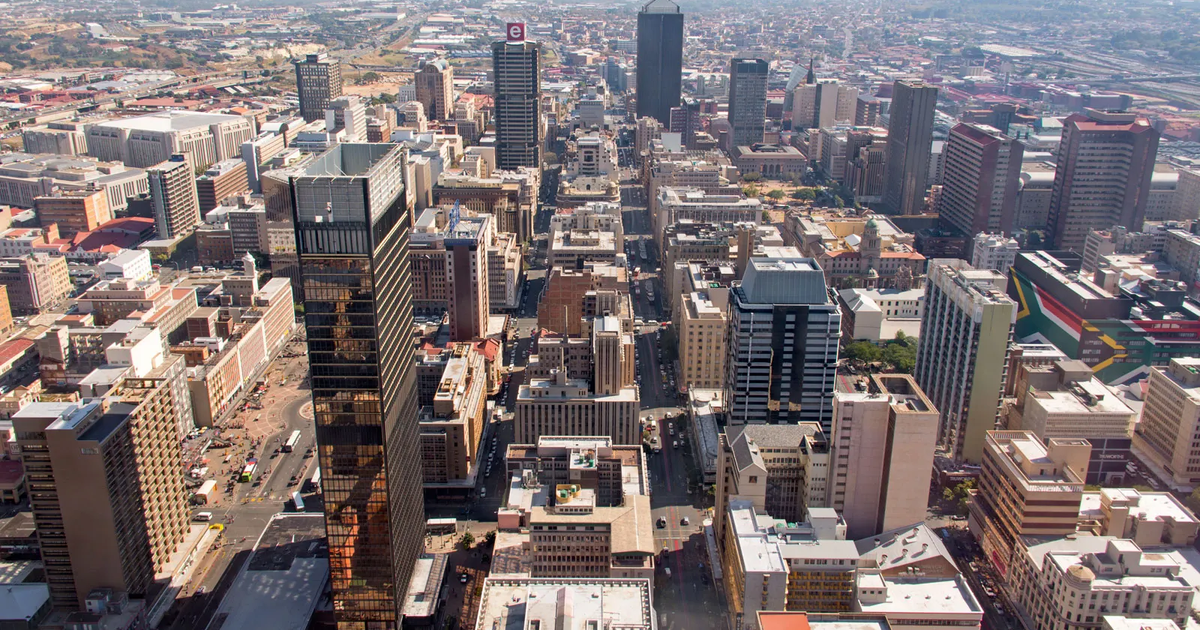
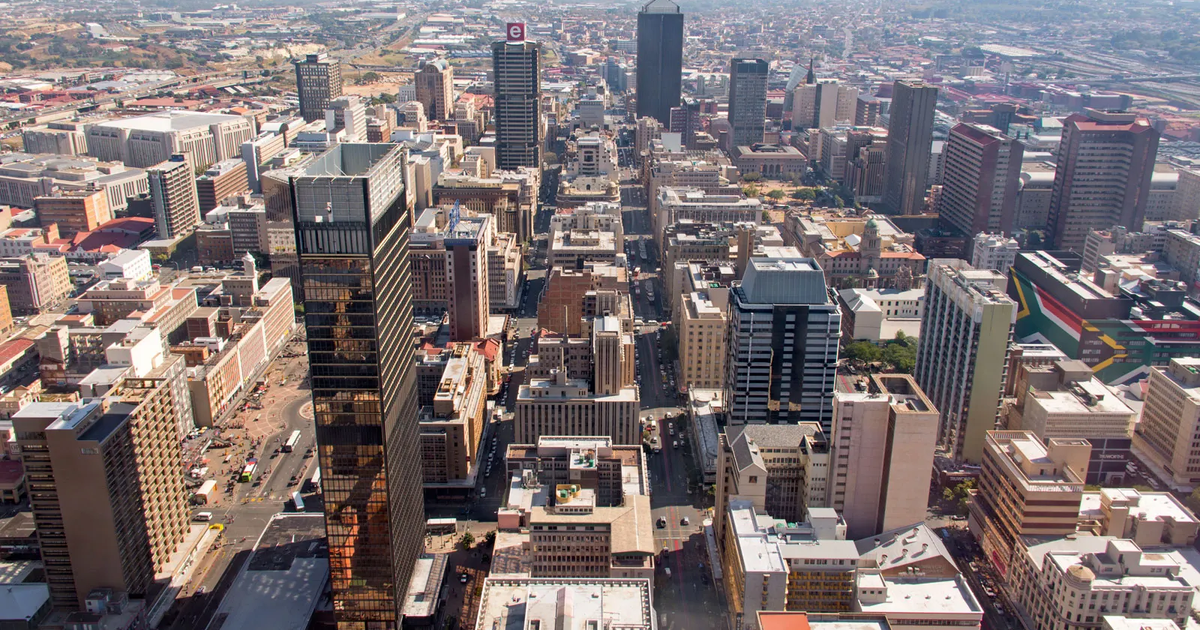
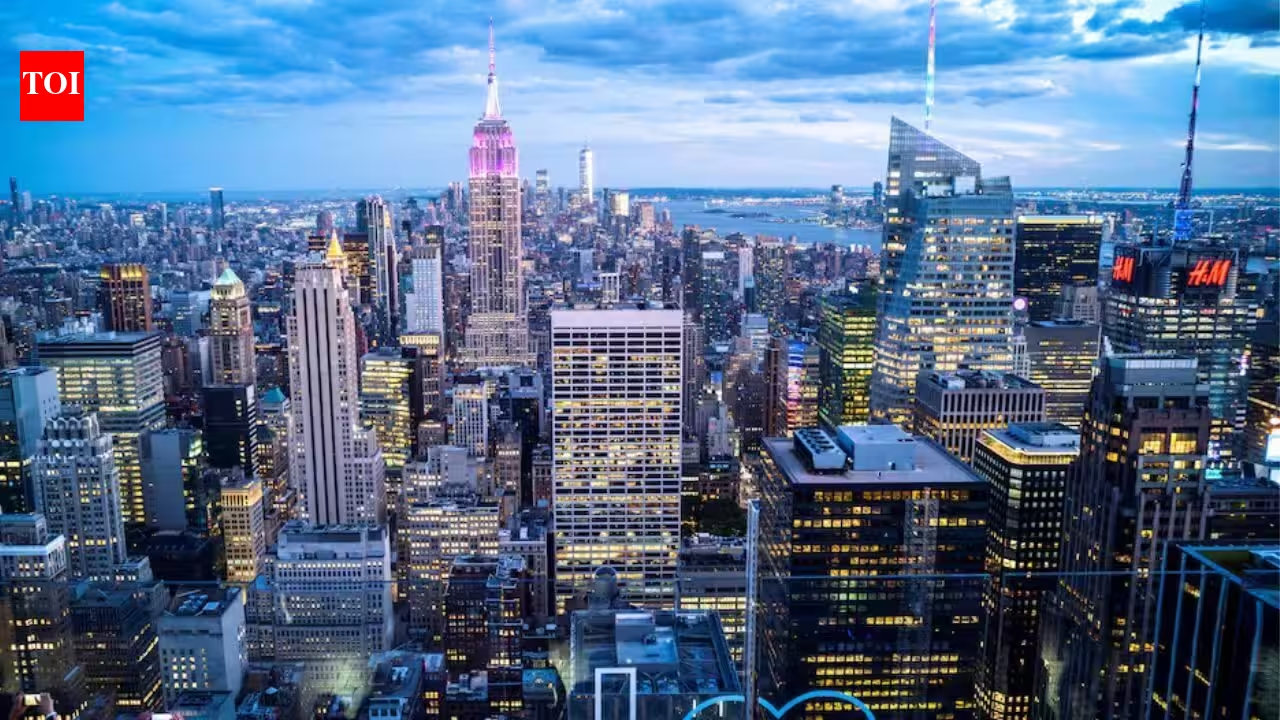
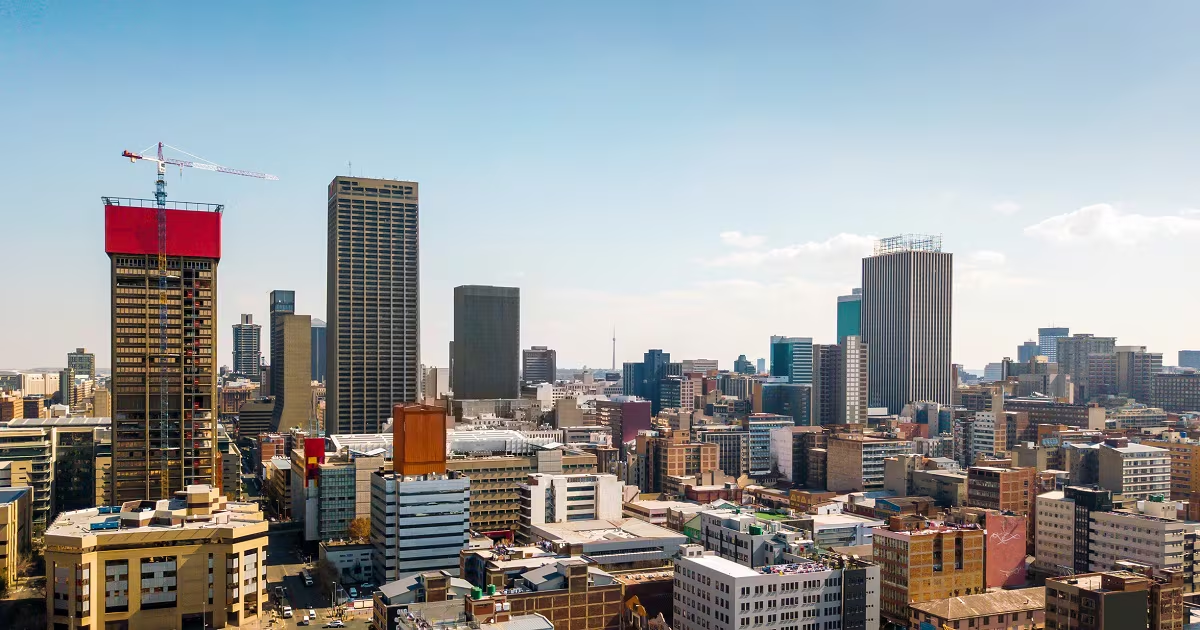
The city of New York produces about 8% of the entire US GDP — an impressive figure. London, long regarded as a top global command centre for international commerce, foreign exchange, insurance and professional services, accounts for about 22% of the UK’s economy — certainly nothing to sneeze at.Shanghai, China’s top urban economic contributor, accounts for roughly 4% of China’s total national GDP.In Africa, one city towers all: Johannesburg, home to the continent’s largest stock exchange, which proudly bears its name. The city, which has been in serious decline for more than a decade, is also home to Africa’s largest banks by assets, Standard Bank, FirstRand, Absa and Nedbank.The city is the largest single metropolitan contributor to the national economic product, contributing almost 16% to the national economy and 40% to Gauteng’s economy.Simply put, of every R100 produced in South Africa’s economy, R16 comes from Johannesburg. The decay of the city, masked by it hosting big international events such as the Brics summit and the G20 summit last year, has become undeniable, sparking “shock” in President Cyril Ramaphosa — who is a resident, albeit in the better side of it.Over the years, the city’s budget has soared while property values plummeted and service delivery collapsed. The city also spends less on capital investment now, despite having far greater resources.Big business has taken note of the decay and extended its hand to assist the city in getting back on its feet.Phase 3 of the government-business partnership, officially launched by Ramaphosa this week, identified fixing the city as a key confidence multiplier in efforts to grow key sectors and create 1-million jobs by 2030.The failure of Johannesburg poses systemic risk to the entire economy— Busisiwe MavusoThis follows intense lobbying by big business that the city had to be rescued for the good of the broader economy.Business Leadership South Africa (BLSA) warned in June that Johannesburg’s predicament was a national problem. “The failure of Johannesburg poses systemic risk to the entire economy,” BLSA CEO Busisiwe Mavuso said.“Business and government can achieve a great deal when they work together, as we’ve demonstrated in dealing with the electricity crisis and logistics. When structured properly, business can bring investment and skills to support service delivery,” she said.“There is a reason the G20 and B20 events were held in Johannesburg last year, and why many of our largest companies call Johannesburg home. It is our largest city and home to key institutions of our economy. It is in the national interest that the city’s performance is turned around.”Growthpoint CEO Estienne de Klerk, Nedbank boss Jason Quinn and Vukile MD Itumeleng Mothibeli have been appointed to the team that will lead business efforts to assist the city.The presence of two commercial property executives on the team comes as no surprise, as landlords have borne the brunt of the collapse in services in the city.Growthpoint, the country’s largest commercial property owner, has been vocal about the way ratepayers get so little in return for the money they pay the municipality. The Centre for Development & Enterprise (CDE), in a new series of reports “Johannesburg Matters: Fixing South Africa’s growth engine”, flags several growth constraints in the city, the country’s largest commercial, retail and financial centre, which hosts 70% of South African company head offices.“Years of underinvestment have left Johannesburg’s basic infrastructure in a state of advanced decay. Johannesburg Water has acknowledged an infrastructure renewal backlog estimated at R26.6bn, while replacing only 60km to 70km of piping annually,” the CDE says.“At this pace, fully replacing the city’s aging pipe network of more than 12,500km would take close to two centuries. The city acknowledges its loss of more than 226.9ML of water through leaks every single day, resulting in 45% of the water the city buys from Rand Water generating no revenue. “If Johannesburg continues on its current path, the consequences will be felt nationally. Johannesburg has historically been South Africa’s great arena of opportunity, drawing in people from across the country, and the region in search of work, mobility and a better life.”The CDE series highlights the contrast between Johannesburg and Cape Town, regarded as the best-run municipality in the country. It notes that over the past decade, the average house price in Johannesburg has dropped 2%, while in Cape Town it has risen about 60%. “One of the most serious consequences of Johannesburg’s decline is the city’s reduced ability to absorb labour. In the second quarter of 2026, the city recorded the highest official unemployment rate among South Africa’s metropolitan municipalities at 35.9%, with expanded unemployment reaching 40.1%,” the report reads.“By comparison, Cape Town’s official unemployment rate stood at 21.9%, rising to 24.3% when discouraged workseekers were included.”Business Times