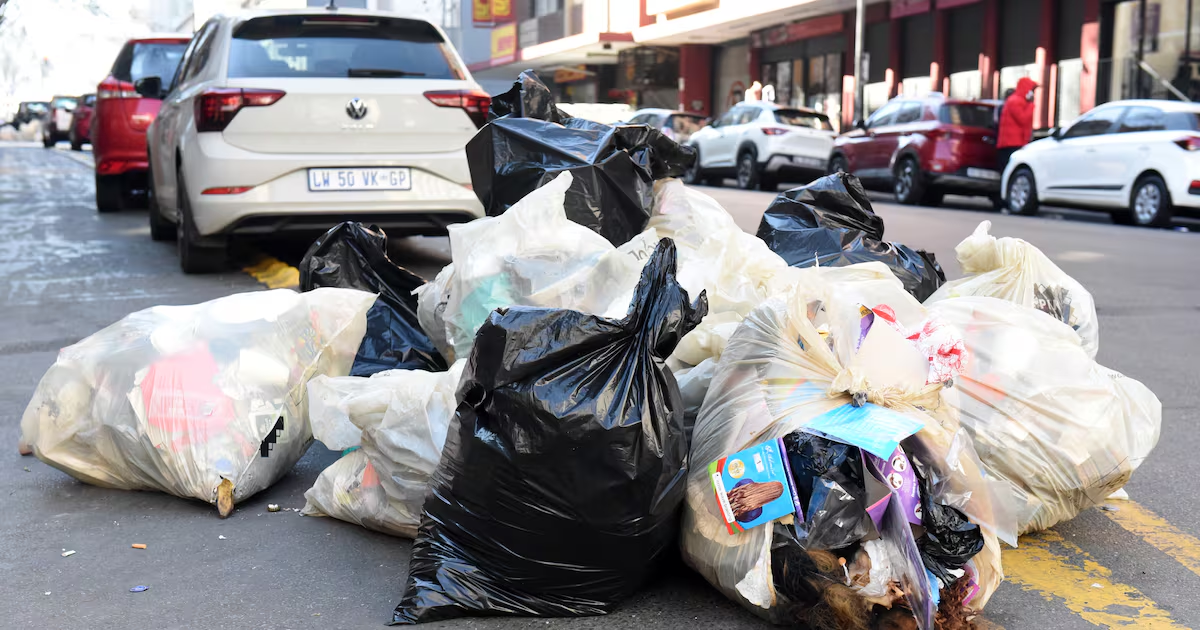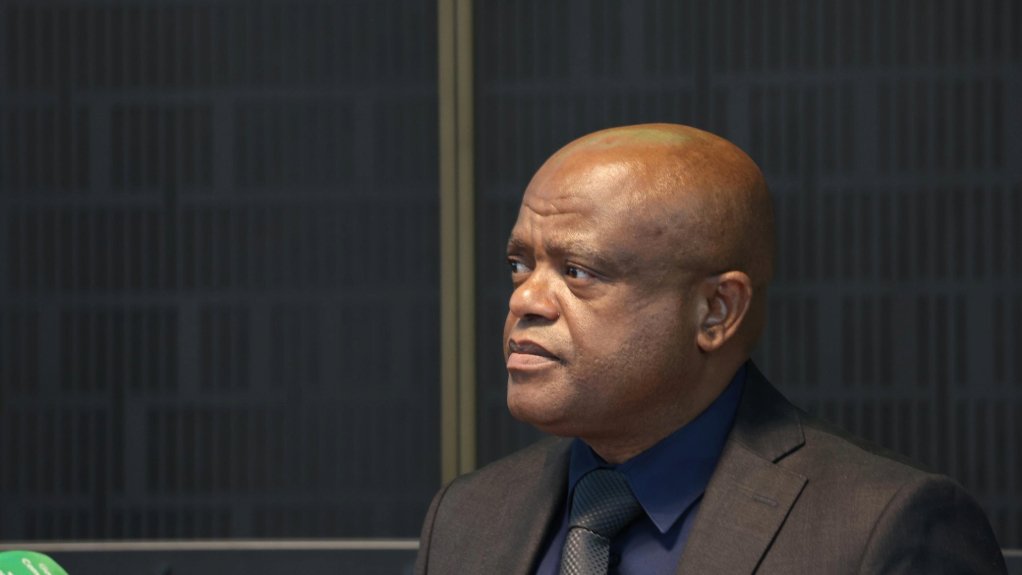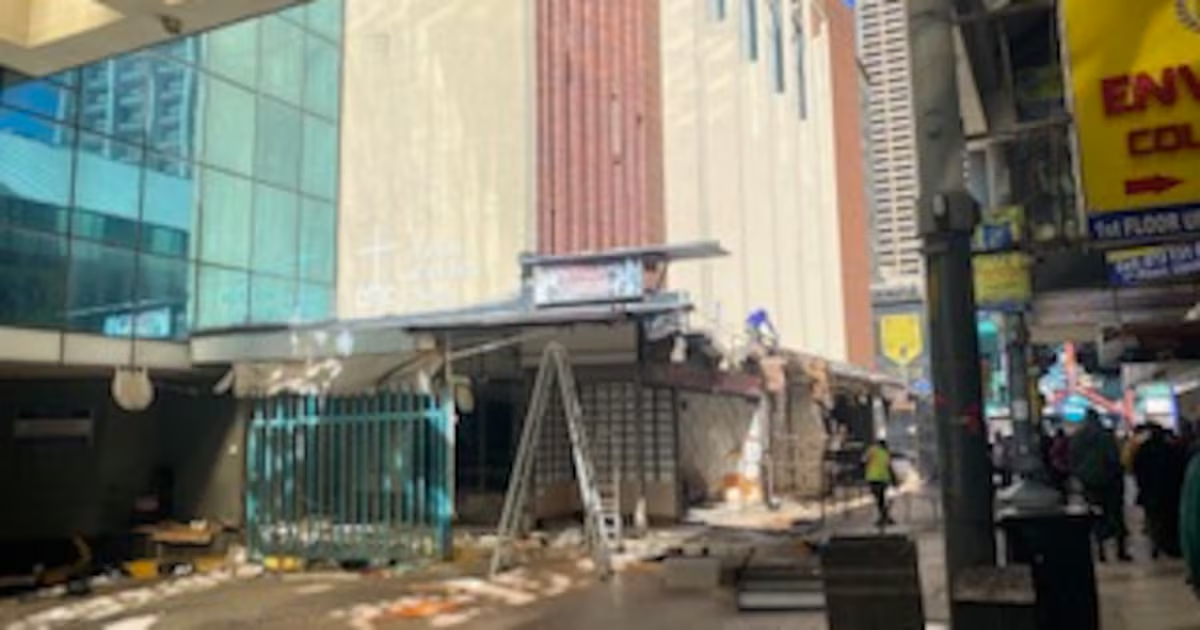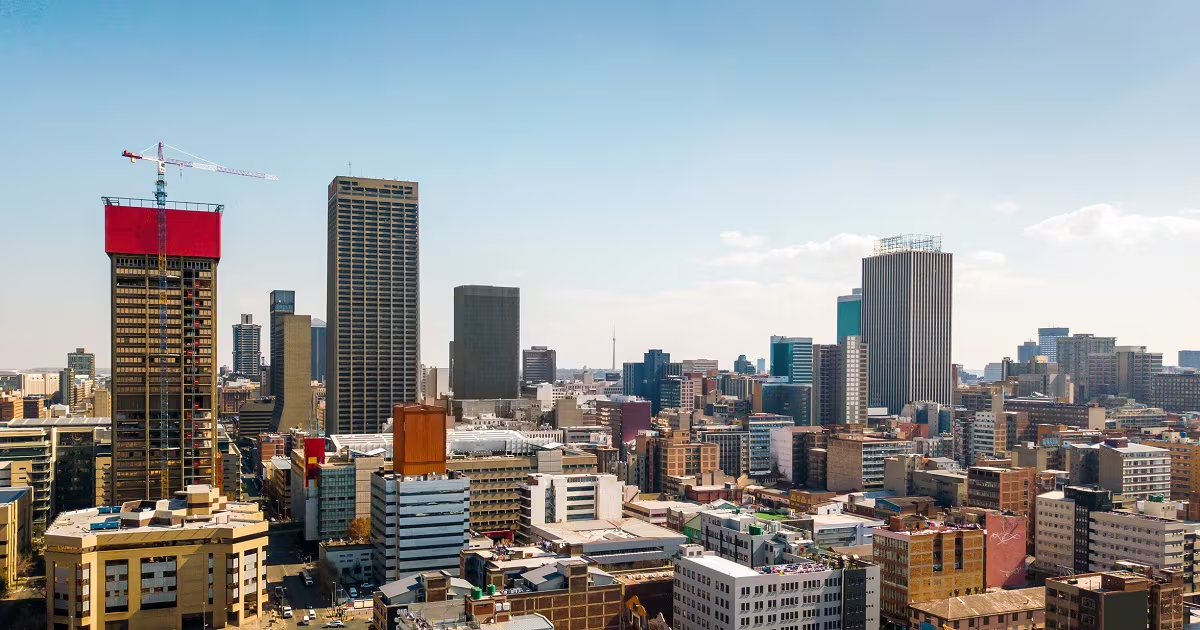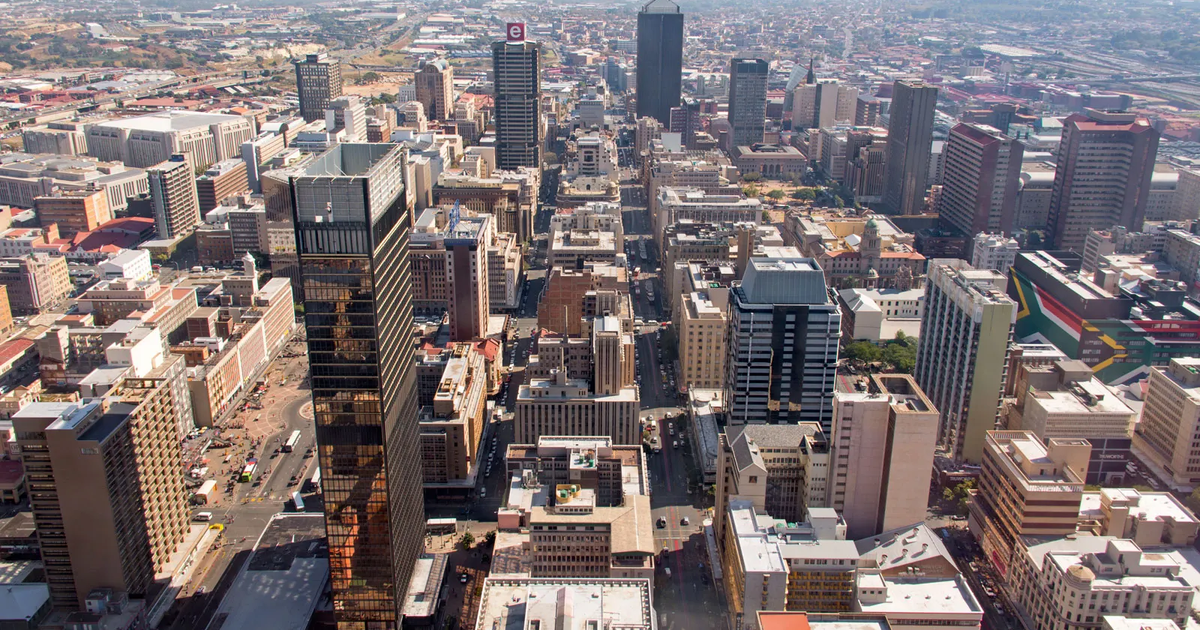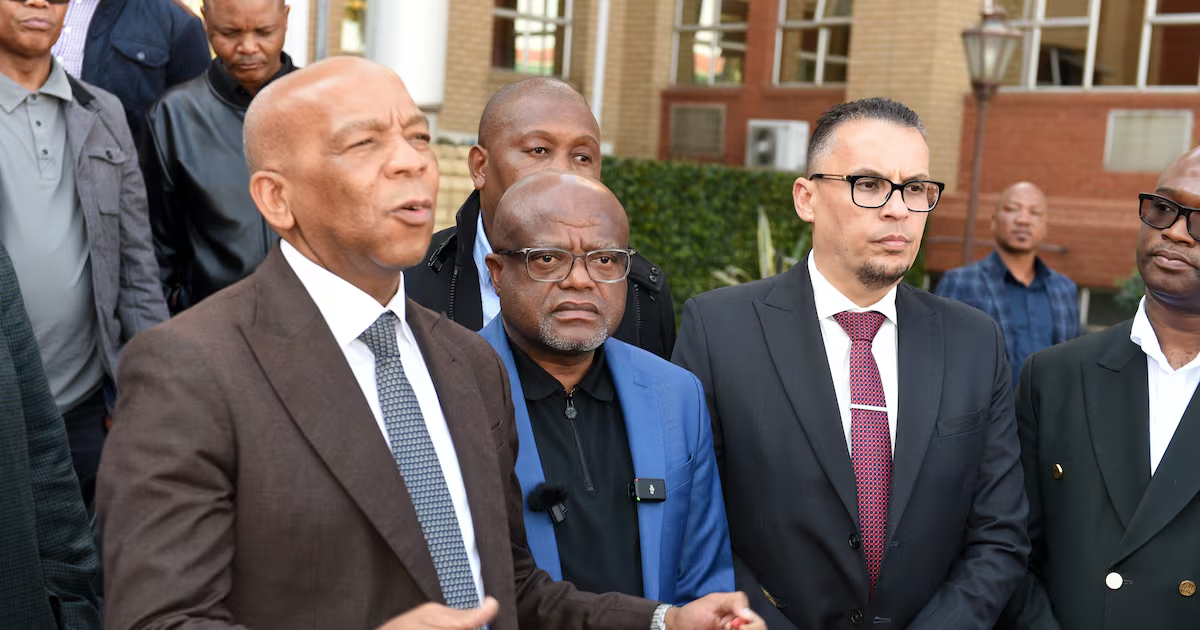
For the past few years, Johannesburg, Africa’s most important city, has been in a freefall. No political party has come up with a convincing, credible strategy to catch the falling knife. A new plan is required to save South Africa’s commercial heartland. Property values are falling. Rates and taxes are rising. Service delivery and the economic infrastructure are collapsing. Corruption is on the rise. The city is rapidly losing its attractiveness as a viable destination for domestic and foreign investors. To say the city’s finances are chaotic is an understatement. In a meeting brokered by minister of electricity & energy Kgosientsho Ramokgopa, Eskom asked for its debt from the city’s residents and businesses to be ring-fenced from the leaking municipal purse. The National Treasury is threatening to withhold the city’s equitable share due in July should the city fail to resolve concerns. The main Treasury worry is that the city is implementing an unfunded budget. The DA, which has been kept out of the ANC-led coalition alliance running the city, has threatened litigation. Dada Morero, the beleaguered mayor of Johannesburg, has run out of ideas. While having to watch his back for knives from his colleagues, he has had to try to save the city from collapse. Multiple interventions ― by his party’s “bomb squad” and the presidential team ― have failed to yield positive outcomes. They merely helped the city to host successful G20 and B20 summits last November. As the problem worsened last week, the ANC named Morero as chief of elections for Gauteng municipalities, a task most likely to distract him further from his full-time job. In coming weeks, all political parties will unveil manifestos on how they plan to save the city when they win the municipal elections due in November. None of these will bring relief to long-suffering ratepayers of Johannesburg. An urgent, non-political solution is needed. Last week, business leaders from Business Unity South Africa and Business Leadership South Africa made an appeal for action to save Johannesburg. In the appeal, they made clear that November is too late a date for businesses and households to wait for relief. They also indicated their call is not political. Crucially, they offered a helping hand in skills and resources. This is to be welcomed. Johannesburg is too important to fail and shouldn’t be allowed to fail. However, support is not unconditional. Business is already doing a lot of what is supposed to be done by the state. These include interventions on crime and corruption, energy and freight logistics. The interventions have largely worked because of political will by President Cyril Ramaphosa. For business to commit more shareholder resources towards saving the government of the day would be reckless and would constitute an unwarranted extra tax. Business must ask for cast-iron guarantees that its intervention will not be used to shore up the electoral fortunes of any party wishing to run Johannesburg. For this objective to be achieved, a neutral structure ― such as the pre-1994 transitional executive council ― must be set up to oversee the plan to save Johannesburg.
EDITORIAL | Joburg freefall must be met with creative, non-political solutions
Neutral structure must be set up to oversee a plan to save Johannesburg
514 words~2 min read