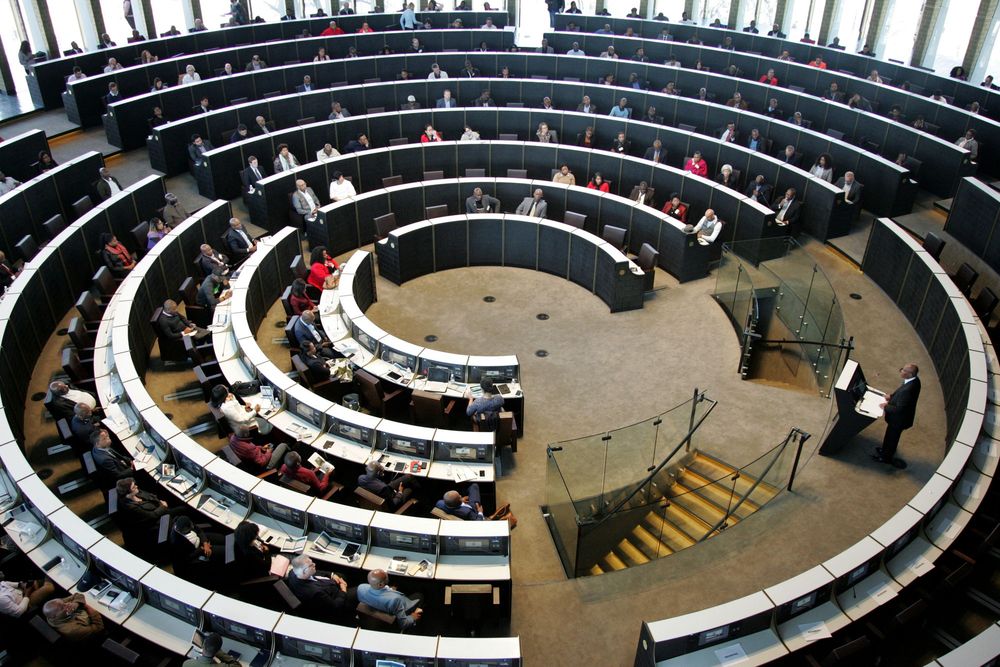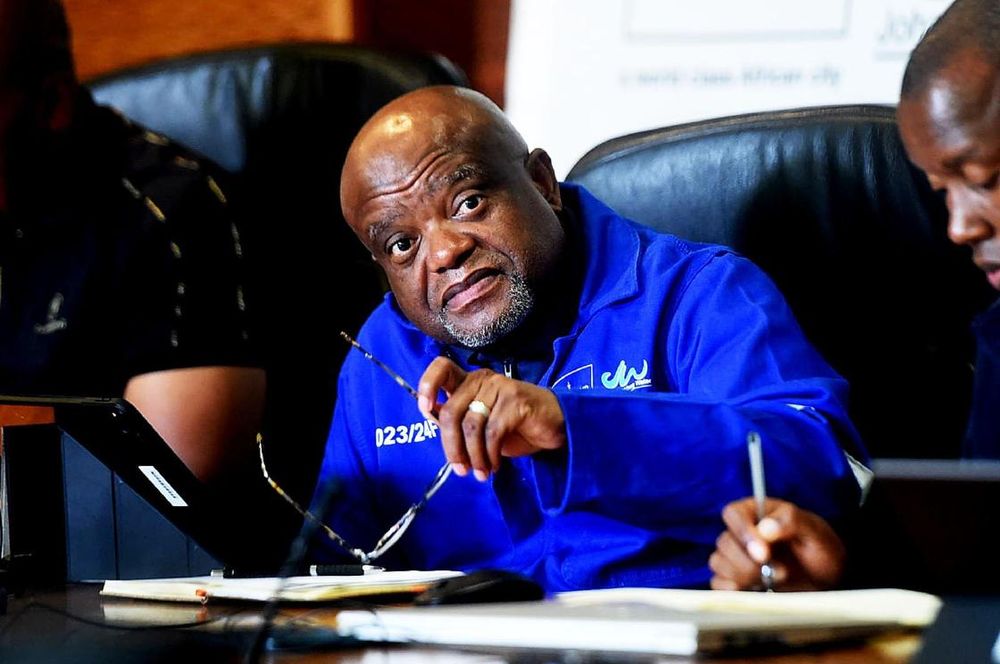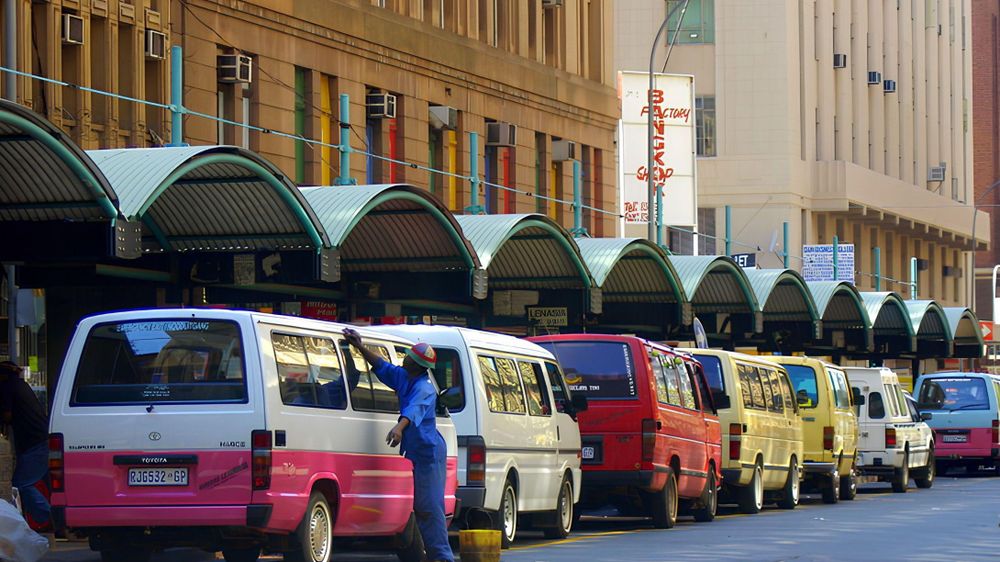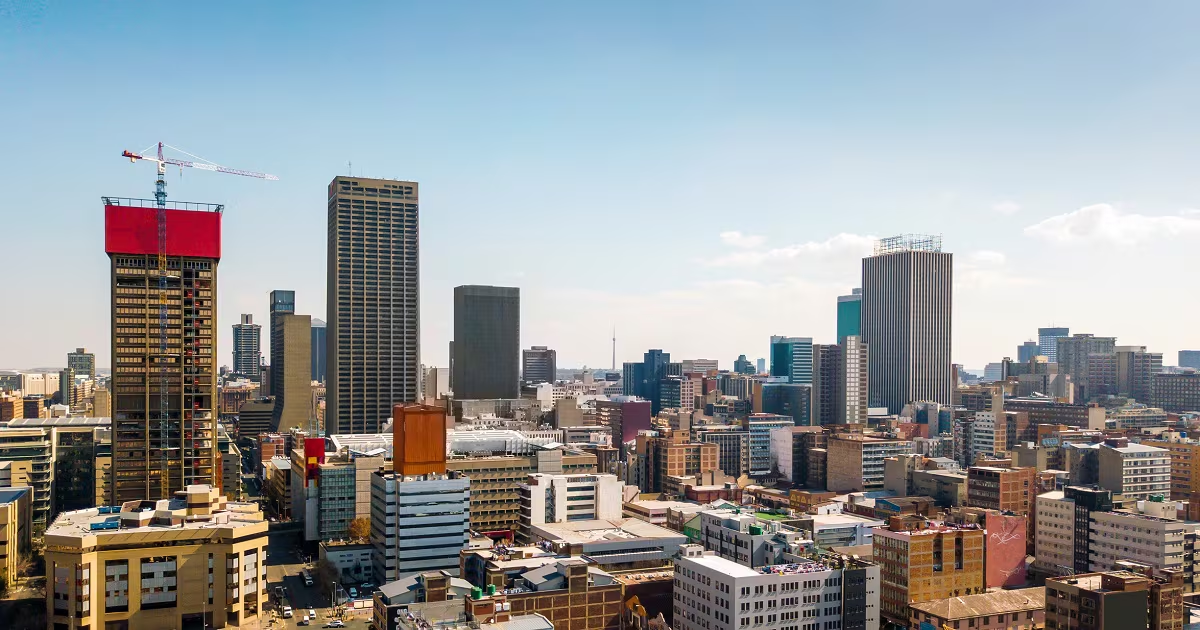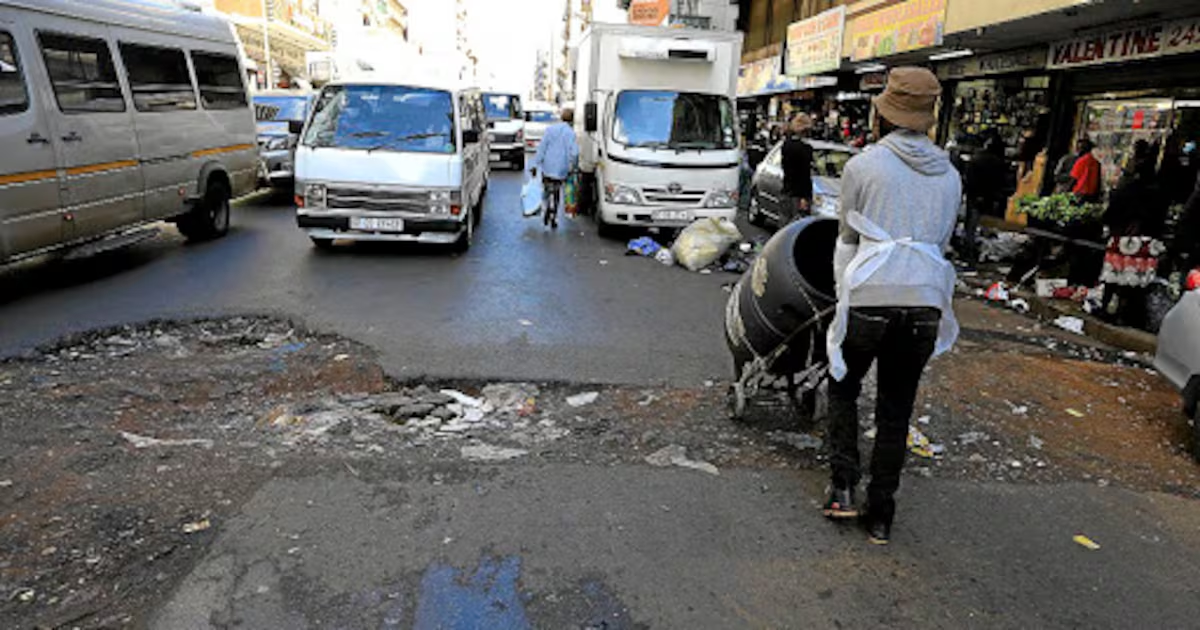
It is time to place the cash-strapped City of Joburg under national administration. Political analysts and economists say this is becoming a necessity as South Africa’s economic heartland is decaying fast. The action, they add, would help bring about much-needed accountability. However, the South African Local Government Association (Salga), the employer body representing the country’s 257 municipalities, has disagreed, saying evidence suggested placing councils under administration “has not yielded clear success”. A co-operative governance and traditional affairs (Cogta) MEC can intervene and place a municipality under administration if it fails to meet its financial obligations and provide basic services to residents, among other things. Gauteng Cogta MEC Jacob Mamabolo, however, has ruled out putting the embattled Joburg metro under administration, saying the city, which contributes about 16% to national GDP and employs 12% of the national workforce, was working “hard” to address governance failures and financial challenges. This after the National Treasury announced last week it had withheld R3.6bn from the city in its equitable share allocation due to financial mismanagement. The city is technically insolvent as revenue collection levels do not meet budgeted targets, and it has an over-expenditure of about R3.9bn on employee-related costs, bulk electricity purchases, inventory consumed and operational costs. The council’s finances are severely constricted, with poor revenue collection resulting in its failure to meet service delivery targets. The city, which has been battling water challenges, has an infrastructure backlog of more than R200bn. It owes Eskom R5.3bn plus a current account of R1.6bn. Political analyst Dr Kelvin Knowles said: “Placing Joburg under administration is becoming a necessity. The city is broke, and politicians are playing musical chairs while infrastructure is decaying further.” He said taking the cheque book away from the ANC-led government of local unity “will force financial discipline and get Treasury to unlock frozen funds”. “But, let’s be realistic, an administrator cannot fix broken water pipes and electricity grids overnight. It will save the city from bankruptcy, but residents shouldn’t expect a sudden end to water cuts and potholes,” Knowles said. “If the administrator tries to slash the bloated wage bill or cut costs too deeply, municipal unions will fight back. We could easily see strikes and service disruptions, meaning things on the ground might get much worse before they get any better.” Joburg mayor Dada Morero told a media briefing last week that the metro will pay R1.4bn to Eskom and R160m to Rand Water by mid-July as the city moves to meet the Treasury’s conditions and secure the restoration of its R3.6bn funding. Political analyst Thabiso Maphosa said placing the city under administration would bear fruit as some entities, including Metrobus, had been operating under a severe cash crunch. Stellenbosch University political analyst Prof Amanda Gouws said the move could help improve service delivery and bring about “accountability”. Econometrix chief economist Azar Jammine said: “Yes, it should be placed under administration because of financial mismanagement. With different people having oversight of services, more attention can come to be placed on the rollout of services without corruption, and hopefully more competent management can be put into place.” Efficient Group chief economist Dawie Roodt said: “What is very clear to everybody is that the finances of Joburg are really in trouble, and they will literally start running out of cash, and that is because of mismanagement of finances. Perhaps it’s not a bad idea that Joburg be put under administration to fix the finances, or at least get better management. “Whether that will improve service delivery, theoretically it’s supposed to. But the correct way to do these sorts of things, if you want to get rid of bad management, is through the democratic process, and fortunately we will have an election by the end of this year. Joburg is one of the places that’s certainly in need of a change in leadership.” Salga president Bheki Stofile said current evidence suggested “placing municipalities under administration has not yielded clear success. This is primarily because administrative intervention does not introduce new financial resources into the municipality”. “We have observed numerous municipalities placed under administration over time have failed to improve. Some have regressed. Such interventions impose additional financial burdens on municipalities, including accommodation costs, salary top-ups for appointed administrators, security expenses and other related administrative overheads,” Stofile said. “Regarding the City of Johannesburg, it is important to acknowledge its leadership is making a strenuous effort under extremely challenging circumstances. They are tasked with developing and implementing plans to deliver services to residents amid conditions that reflect failures at the national government level.” Stofile said municipalities required genuine support, and national government leaders must cease politicking. “They must provide support as mandated by the constitution, specifically section 154, which obliges national and provincial government to support and strengthen the capacity of municipalities,” the Salga president said. “Leaders must stop attributing blame and instead collaborate with the municipal system. The public is no longer interested in blame-shifting, which threatens democracy, as many have lost confidence in the electoral process. “This is because those in government sometimes act as if they are in a beauty contest, rather than prioritising the best interests of communities. Such behaviour also serves the interests of those who have significantly invested in creating chaos for financial gain. This is where leadership must focus its attention.” In 2021, the Constitutional Court upheld an order by a lower court to set aside a 2020 decision by the Gauteng provincial government to place the City of Tshwane under administration. The top court ruled the decision to do so was unwarranted, unnecessary and unlawful. The Gauteng provincial government placed the metro under administration in March 2020 after the municipal council failed to convene and retain the necessary quorum from September 2019 due to walkouts by ANC and EFF councillors. Business Day
Economists and Salga at odds on way forward for ‘broke’ Joburg
Experts call for national intervention as city faces insolvency and service failures
965 words~4 min read