Story audio is generated using AI
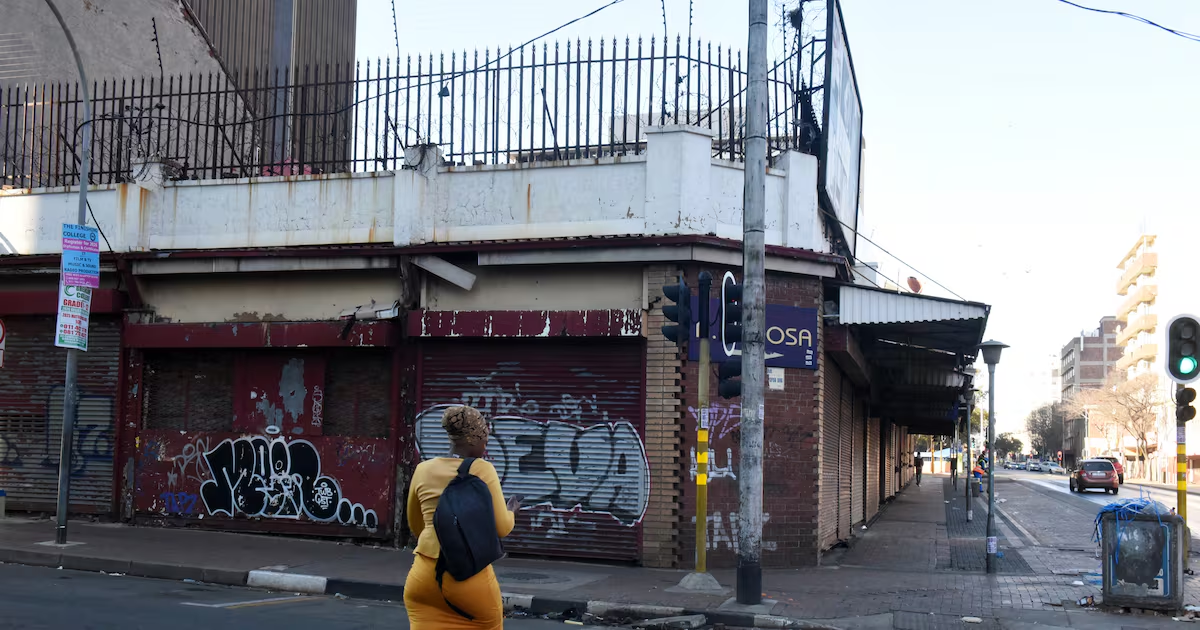
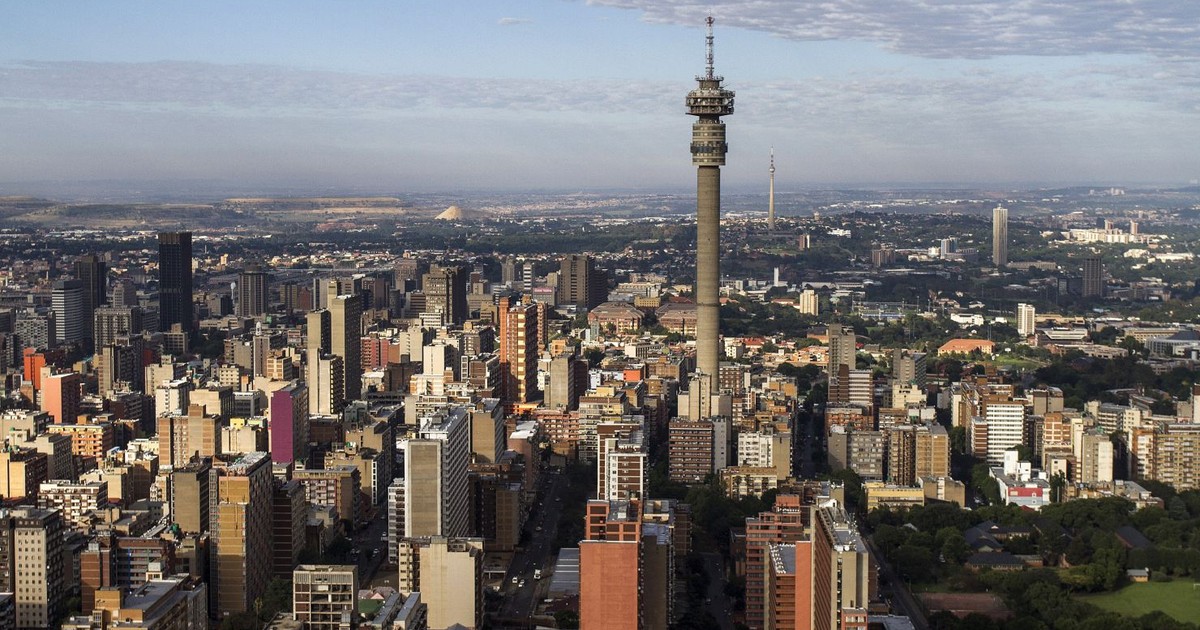
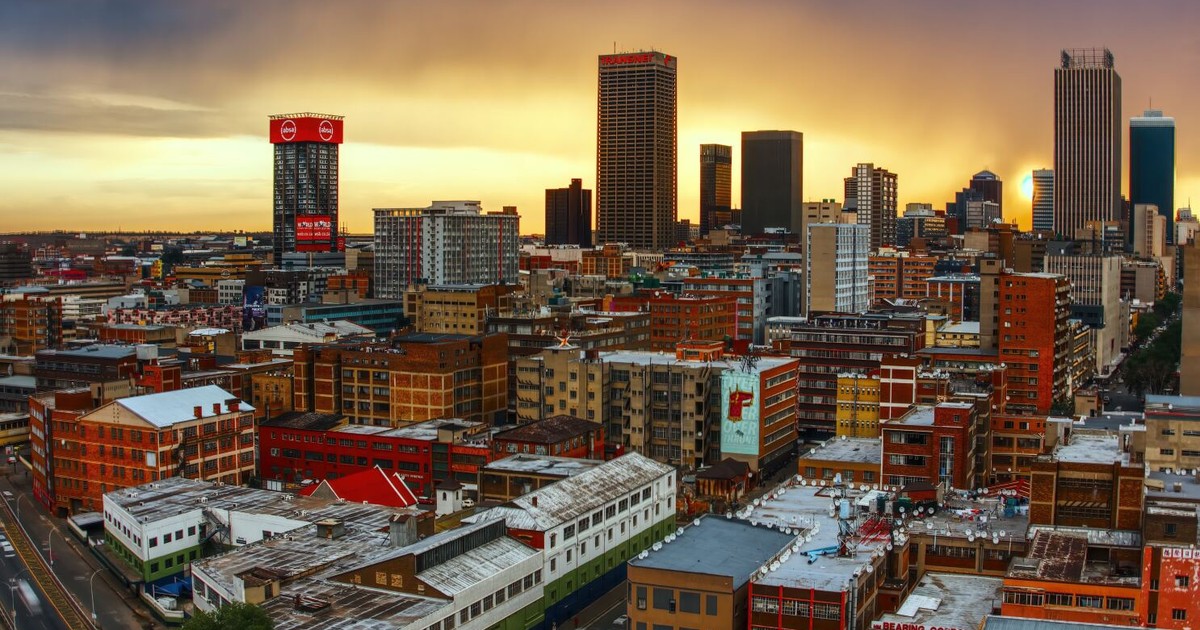
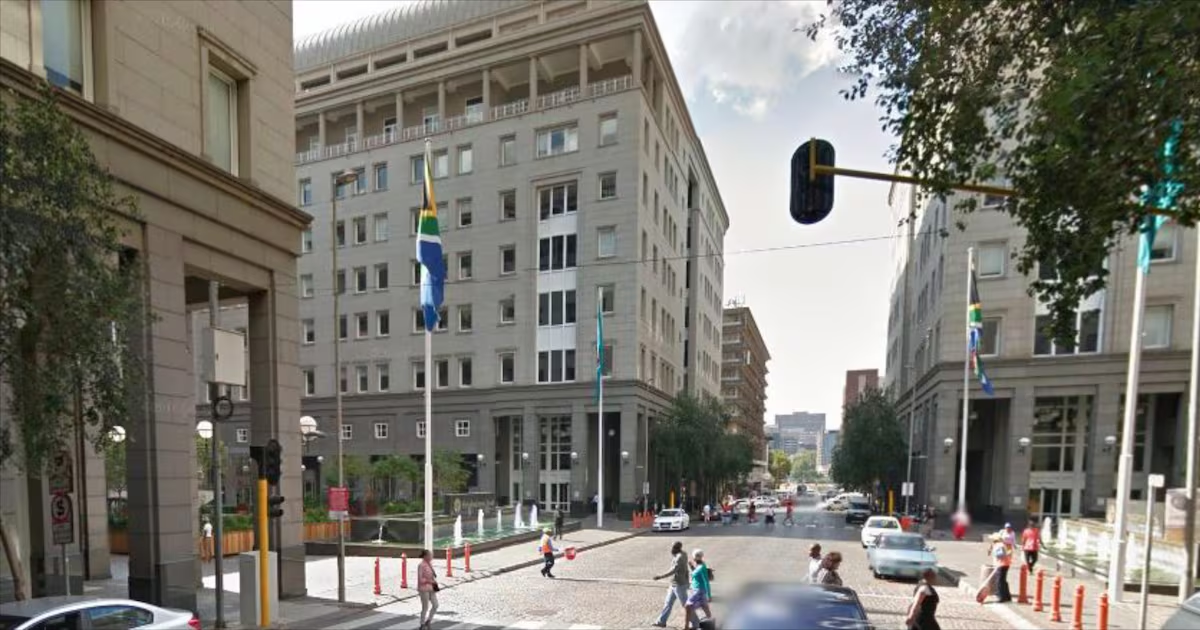
The derelict state of housing in the inner city often makes the news. Joburg’s inner-city slum is out of control, with dozens of buildings identified as potential fire and safety hazards.Three decades ago, the story was different: downtown was the biggest regional contributor to growth in the city’s economy during the early 2000s. Since then, Johannesburg’s overall economic growth has begun to outpace that of the inner city. A decline in private investment, poor urban management, overcrowding and rising unemployment have negatively impacted how the inner city functions.When clouds gathered in the inner city, corporate South Africa was the first to flee to the “safety” of Rosebank and Sandton. Since the 1970s, Sandton has evolved from farmland into the country’s acclaimed business district and is dubbed the “richest square mile in Africa”.The JSE, Africa’s largest stock exchange in 2000, ditched its headquarters at 17 Diagonal Street and moved into its new home in Sandton, ending a stay of more than 110 years in the inner city. The diagonal building was sold for just R20, having been bought for R17m in the 1970s — an indicator of how rapidly the property values were declining in the inner city.Large corporations and financial institutions, including Investec, RMB, and Nedbank, fled the CBD and relocated to Sandton. The message was clear: the city was not a place to do business any more. Anglo American, whose legacy is woven throughout the JSE through decades of spin‑offs, also left. Countless others followed — but not Absa, Standard Bank or FNB. The banking majors, while they’ve built modern offices in Sandton and Rosebank, have maintained a sizeable presence in the inner city.FNBFNB’s campus, Bank City, resembles a city within a city, or what one would describe as “the better side of town”. The building, which houses thousands of the lender’s workforce, is replete with its own security detail, who roam the surrounding streets. A sign of the times. The bank deploys more than 100 security guards in the vicinity of its mega facility in the CBD.FNB, which 10-million customers call home, tells Business Times it has no intention of leaving the inner city — which it has called home since the early 1990s.Martin Taylor, FNB’s head of corporate real estate, said, in addition to its corporate presence, FNB serves customers through an extensive physical network in the CBD, comprising 11 branches and 105 ATMs. FNB remains committed to the ongoing revitalisation of the CBD through a combination of infrastructure investment, safety initiatives, and strategic partnerships aimed at improving the urban environment for businesses, residents and visitors— Martin Taylor, FNB’s head of corporate real estate,“The Johannesburg CBD remains an important location for FNB, reflecting the bank’s longstanding presence in the area and its continued commitment to supporting the economic activity, businesses, and communities that operate within the city’s commercial centre,” he said.“FNB remains committed to the ongoing revitalisation of the CBD through a combination of infrastructure investment, safety initiatives, and strategic partnerships aimed at improving the urban environment for businesses, residents and visitors.”The bank works closely with Jozi My Jozi and has contributed funding towards several projects focused on enhancing safety and public spaces in the city. These include the installation of 135 solar-powered streetlights and ongoing beautification initiatives around the Queen Elizabeth Bridge.Standard BankSouth Africa’s largest bank by assets and profitability, Standard Bank, also maintains a large presence in the CBD, with its campus minutes away from that of FNB and the country’s third-largest bank, Absa.Nkosinathi Manzana, Standard Bank’s head of real estate services, said its CBD office houses about 5,000 staff, with building access approved for more than 12,000 employees who work across multiple sites.The main business unit housed at Standard Bank Centre is personal and private banking (PPB). In addition, teams from the corporate function, corporate and investment banking, and business and commercial banking are also represented in the centre.Our continued investment reflects our confidence in Johannesburg as South Africa’s economic centre and our commitment to supporting the city’s long-term renewal and growth— Nkosinathi Manzana, Standard Bank’s head of real estate services,“The bank’s commitment is reflected not only in its long-standing presence but also in its ongoing investment in the area. Standard Bank’s Johannesburg CBD property portfolio has a current market value of about R2.84bn, while significant ongoing capital expenditure is being directed towards the maintenance, modernisation and operation of its CBD assets,” Manzana said.“Our continued investment reflects our confidence in Johannesburg as South Africa’s economic centre and our commitment to supporting the city’s long-term renewal and growth.“In addition to its property investments, Standard Bank has invested in city-building partnerships, safety and security initiatives, public infrastructure, arts and culture programmes and community development projects.”Standard Bank’s CBD campus remains its registered headquarters and accommodates about 5,500 employees across functions and business units that mirror the bank’s structure.AbsaAbsa has had its headquarters in the Johannesburg CBD since its formation in 1991, following the merger that created the group. “Johannesburg’s inner city remains strategically important as a hub that connects thousands of people every day. From Absa’s perspective, the CBD is home to our headquarters and will remain so as it is easily accessible to the employees,” Absa spokesperson Daniel Munslow said.“Like many major urban centres globally, Johannesburg’s CBD faces challenges relating to safety, infrastructure maintenance, service delivery, and reliable public amenities. “Safety remains a key concern for businesses, employees, students and commuters. We don’t believe it is the city’s role alone to address these challenges, which is why we support Jozi My Jozi to help create a safe place for people to live, work and play.”The lender has invested millions in the inner-city revitalisation initiatives to date. This includes the rehabilitation of the Nelson Mandela Bridge, solar-lighting projects, public art installations, and other infrastructure improvements within the CBD precinct.Business Times