Story audio is generated using AI
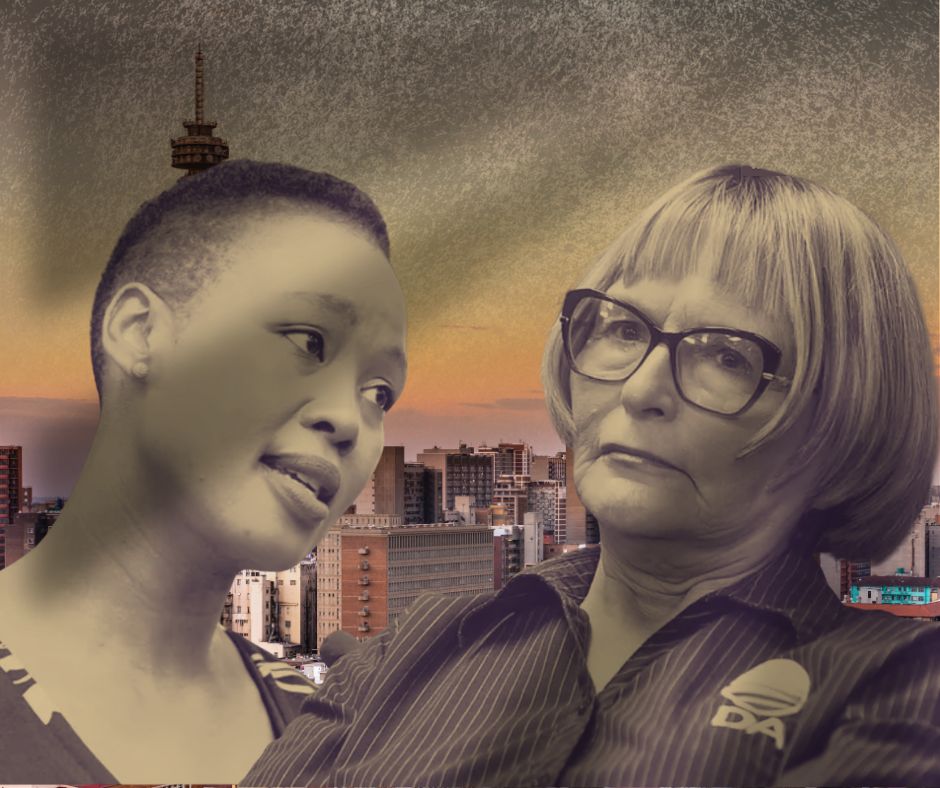
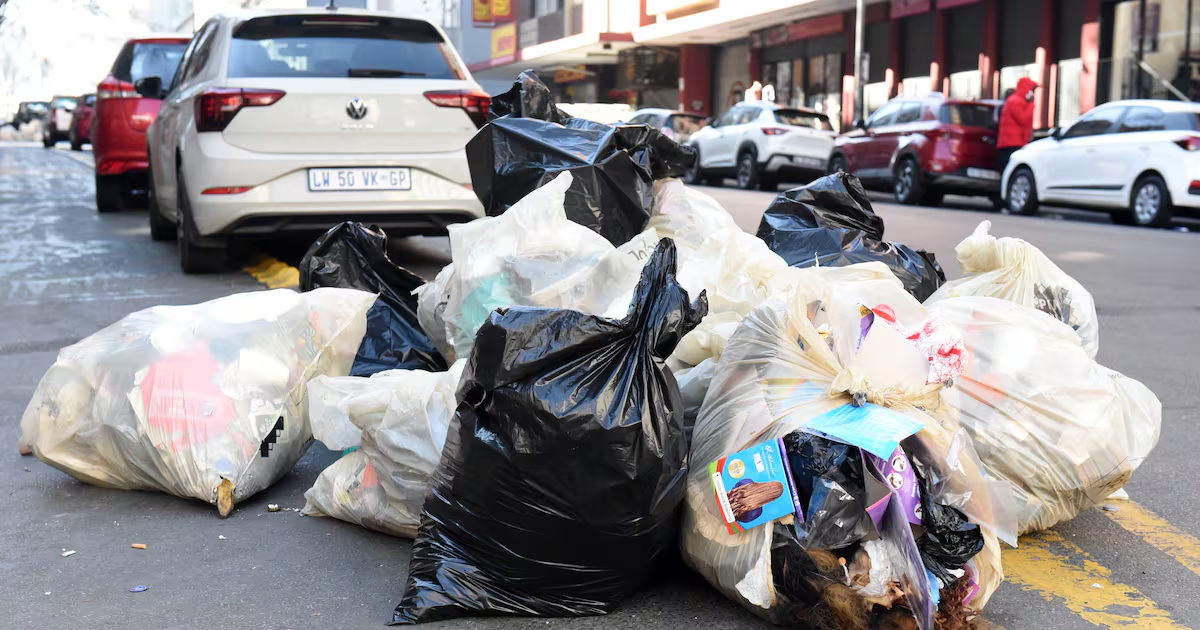
Johannesburg’s repeated changes in political leadership, not just its crumbling infrastructure and depleted finances, are the primary cause of the city’s decline, says independent public policy think-tank and advocacy organisation Centre for Development and Enterprise (CDE). Johannesburg has had nine mayors and eight different coalition governments since the August 2016 local government elections, with no mayor completing a full five-year term.The CDE said in its latest report that Johannesburg is failing in every dimension of its mandate. “The November local government elections are critical to Johannesburg’s future,” CDE executive director Ann Bernstein said in a statement accompanying the report’s release. “A continuation of the current political and governance dysfunction would deepen and probably accelerate the city’s decline,” she said.“A weak and unstable coalition would struggle to take difficult decisions, appoint capable people, attract partners and investors or sustain a multi-year programme of reform. The choice facing voters is a stark and vitally important one.“We have to fix what has been broken but this is only possible if the elections produce stable, honest political leadership and they then mobilise the best possible people, including from outside political parties to manage reform and delivery.”A weak and unstable coalition would struggle to take difficult decisions, appoint capable people, attract partners and investors or sustain a multi-year programme of reform. The choice facing voters is a stark and vitally important one.— Ann Bernstein, CDE executive director Finance minister Enoch Godongwana has warned that the city owes creditors R25.2bn but holds only R3.9bn in cash and cash equivalents, which is not enough to cover its debts. Johannesburg Water has identified an infrastructure renewal backlog of R26.6bn, and at the present pace of pipe replacement it would take close to two centuries to renew the network.The city’s electricity infrastructure backlog stands at an estimated R44bn, with 54,132 power outages recorded between July and December 2025.Johannesburg recorded the highest official unemployment rate among South Africa’s metropolitan municipalities in the second quarter, at 35.9%. It lost 90,000 jobs between April 2025 and June 2026 while Cape Town gained 57,000 over the same period.The report echoed similar warnings by organised business over the state of the finances of South Africa’s economic hub. Business Leadership South Africa CEO Busi Mavuso warned in June that Johannesburg risked having its power cut after the city missed a payment deadline on its R5.3bn debt to Eskom, despite a temporary reprieve brokered by the electricity ministry. Mavuso said the city had consistently failed to collect the revenue it forecast in its own budgets and spent too little on maintaining infrastructure and was on average nearly a year late in paying its suppliers. She called the Eskom debt one symptom among many of the city’s mismanagement that organised business has flagged as a critical risk to the broader economy.Bernstein said: “Johannesburg is the one municipality whose failure would make national success impossible. It raises the critical question: if Johannesburg cannot be fixed, can we fix South Africa? “Poor governance weakens municipal finances; weak finances undermine maintenance and investment; failing infrastructure raises the cost of doing business; businesses and skilled people leave; and a weakening economy makes the city’s finances still harder to repair.“As a result, stable long-term planning has all but disappeared while appointments, priorities and policies have shifted with the political winds.” Coalitions in the city are likely to continue after the November 4 elections, with polling from the Social Research Foundation estimating that there would be no outright winner of the local government elections in the metro, requiring a coalition. In Johannesburg, the ANC polls at 18% compared with 33% in the 2021 elections and 34% in 2024; while the DA is at 42% compared with 26% in 2021 and 24% in 2024. Business Day