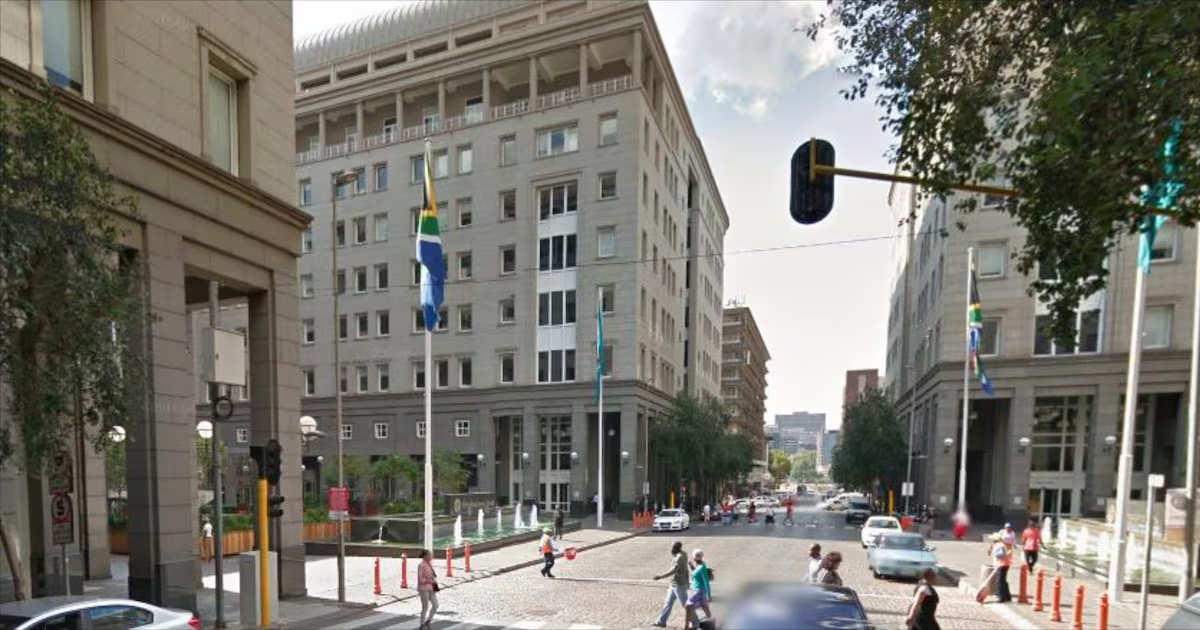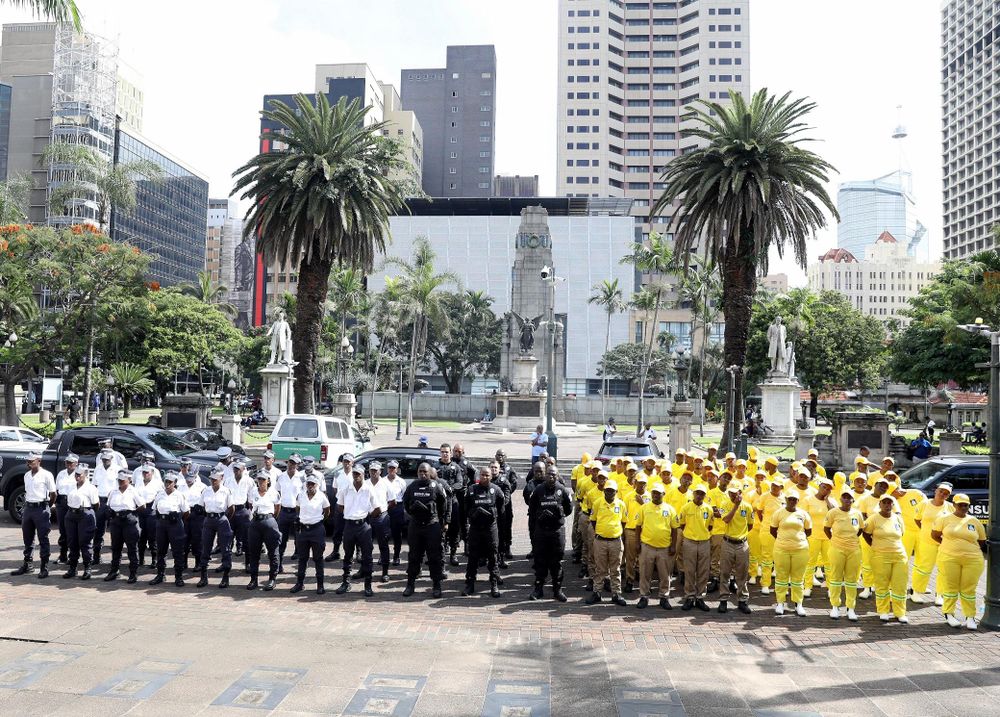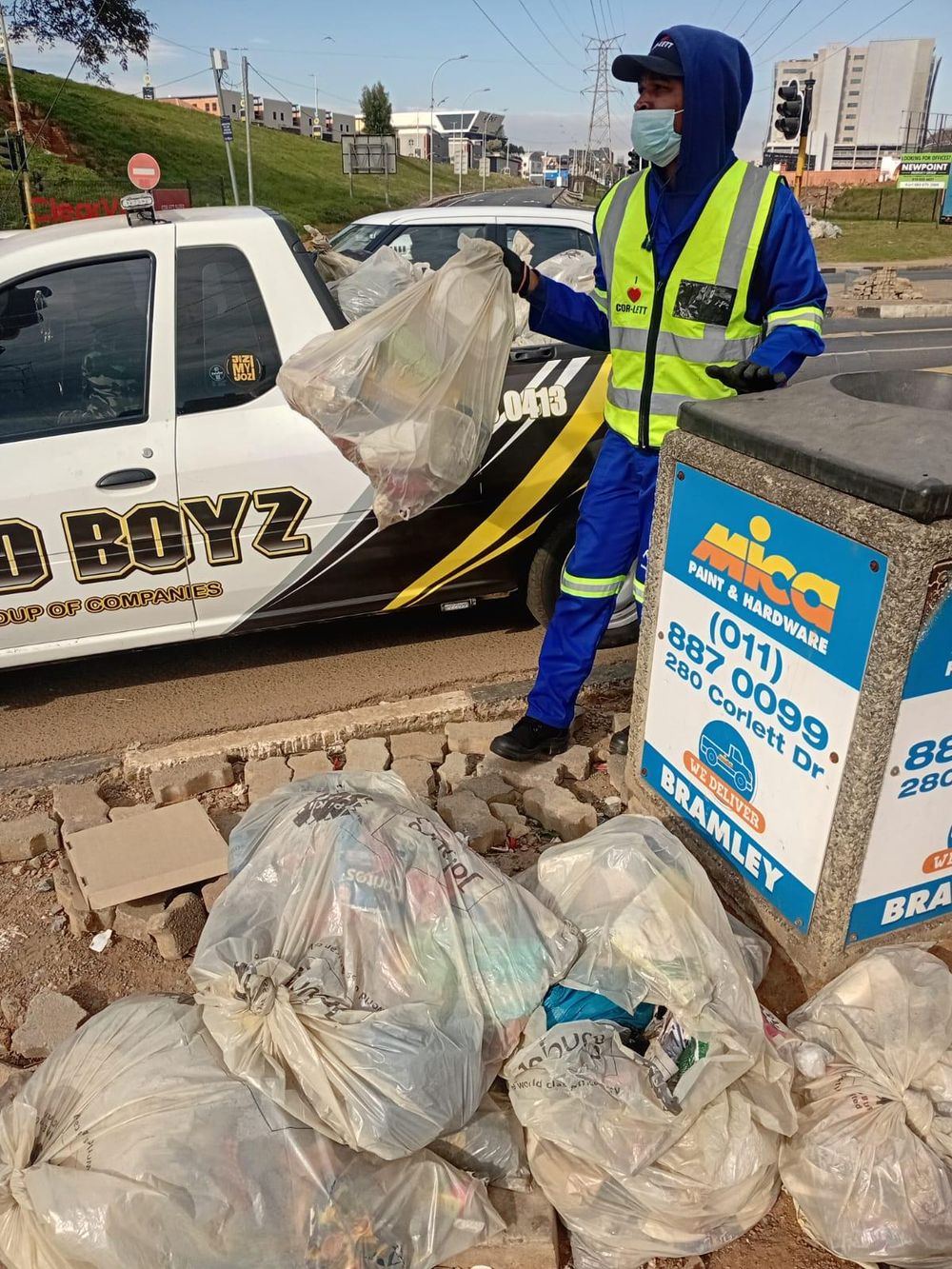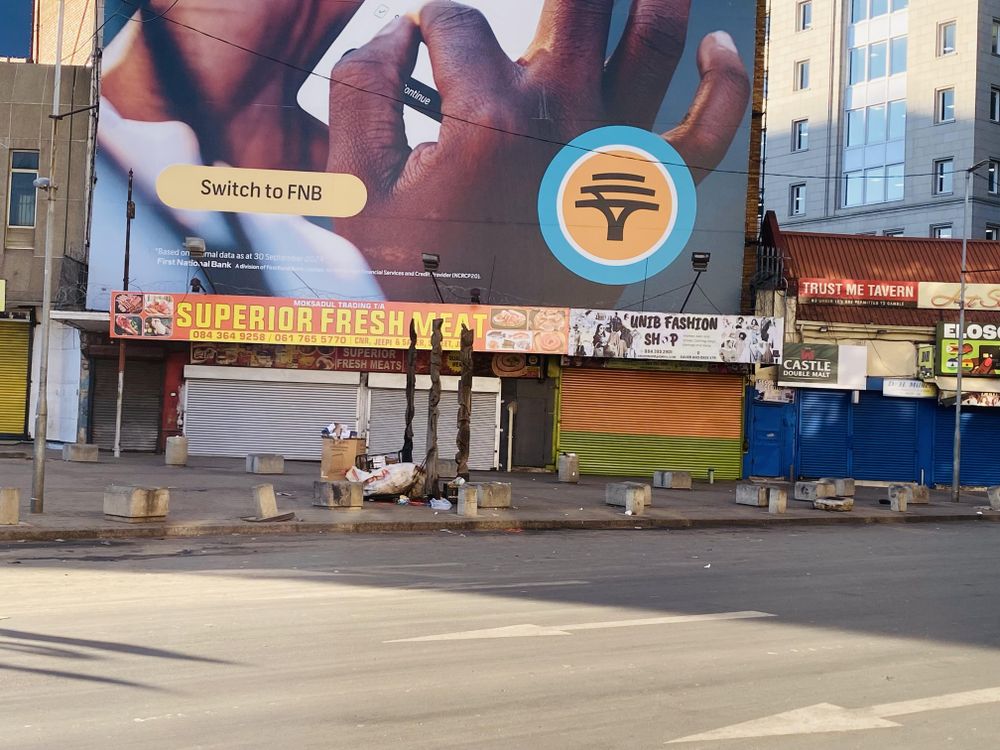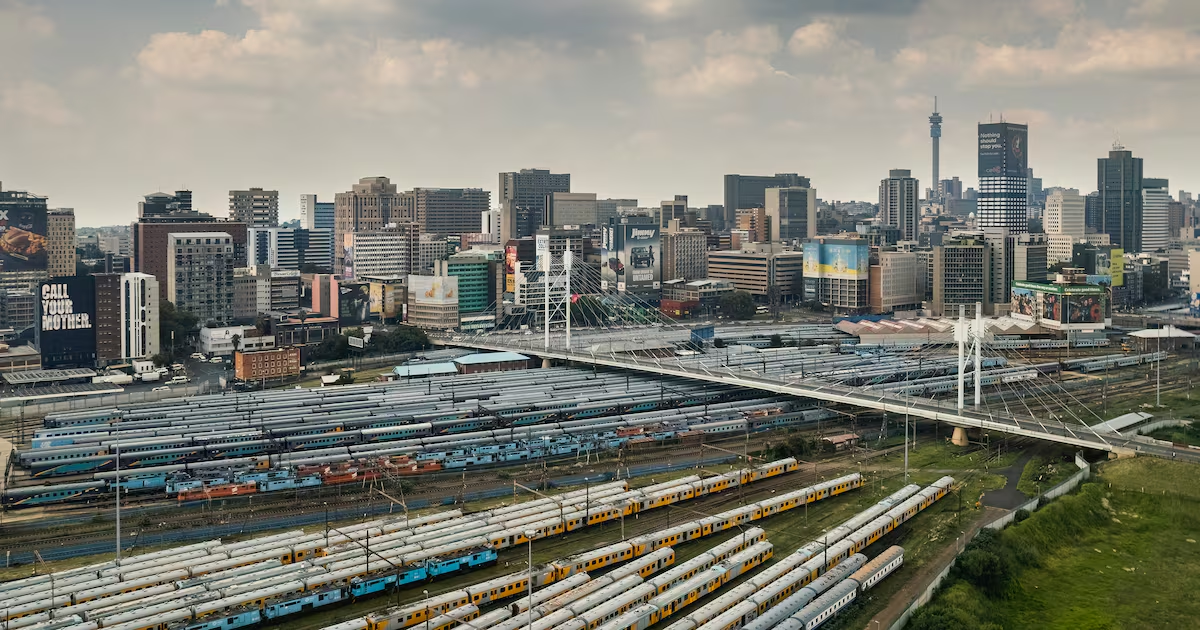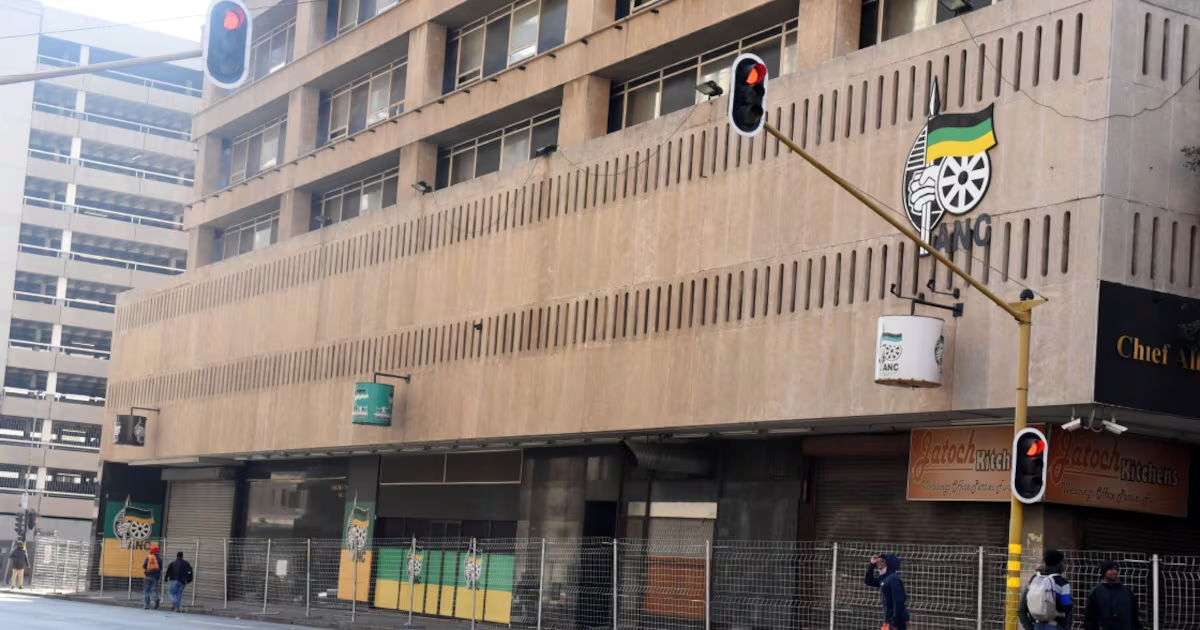
Every weekday morning FNB employees and contractors drive up Johannesburg’s Diagonal Street, curving right into Kerk Street as they head into the Bank City precinct’s parking garage, nestled into the corner of the two streets.They do this with so much confidence, some at high speed, that if you are driving the other way you may doubt that you are doing the right thing.This behaviour is one of the many micro case studies of how societies can go the wrong way, resulting in people who are doing the wrong thing acting with confidence, and leaving law-abiding citizens in doubt about their own behaviour. People who steal public resources do it with so much confidence these days that they leave honest public servants and the handful of clean politicians in doubt about the morality of their behaviour.The FNB case also illustrates how wrongdoing can ossify into a commonly accepted way of doing things. It might shed light on the collapse of morality at the South African Police Service (SAPS) and its associated entities. Evidence before the Madlanga commission has laid bare how the SAPS degenerated into a cesspool of corruption and abuse of power, a degeneration that would most likely leave a young police officer joining the force in doubt over what is wrong or right.In the case of FNB employees and contractors, the drive up Diagonal Street into Kerk (which are both clearly marked as one-way streets) began as a way of avoiding the heavy traffic at the intersection of Pritchard and Pixley ka Isaka Seme (formerly Sauer) streets. The heavy traffic is caused by the wayward minibus taxi drivers who use the intersection to exchange passengers who are either heading up Pritchard or down Pixley towards Bree Street. Occasionally the Joburg metro police are on hand to shepherd the minibus drivers, who are clearly way beyond redemption.This chaos happens right under the noses of Luthuli House, the ANC headquarters, sitting on Pixley ka Isaka Seme Street. ANC leaders are obviously insulated from this chaos by their blue light privileges. How South African politicians are generally insulated from the chaos of their making is a story for another day.To avoid the Pritchard-Pixley ka Isaka Seme morning traffic jam, FNB employees and contractors recklessly drive up Diagonal into Kerk. This behaviour ― ignoring the National Road Traffic Act ― best sums up how a city can degenerate into lawlessness.And local governments are important in democracies. As a recent blog by University College London’s Institute for Innovation & Public Purpose pointed out, cities are often where democracy is most visible in everyday life. Democracy in cities is most visible through public services, participation, local accountability and the ability to respond to the needs of residents.So, to fix South Africa one must start local. What’s happening up and down Diagonal and Kerk streets, and at the intersection of Pritchard and Pixley ka Isaka Seme streets, is a microcosm of how South Africa has lost its way.That simply means if the residents of the City of Johannesburg can’t make the city a liveable space, we might as well forget about making South Africa a great country. For a start, the fix must focus on the small things. Like driving the right way on one-way streets. And ensuring regular waste collection. • Sikhakhane, a former spokesperson for the finance minister, National Treasury and South African Reserve Bank, is editor of The Conversation Africa. He writes in his personal capacity.Business Day
JABULANI SIKHAKHANI | Johannesburg traffic chaos reflects city’s moral decline
Restoring order in local governance is crucial to rebuilding South Africa
574 words~3 min read