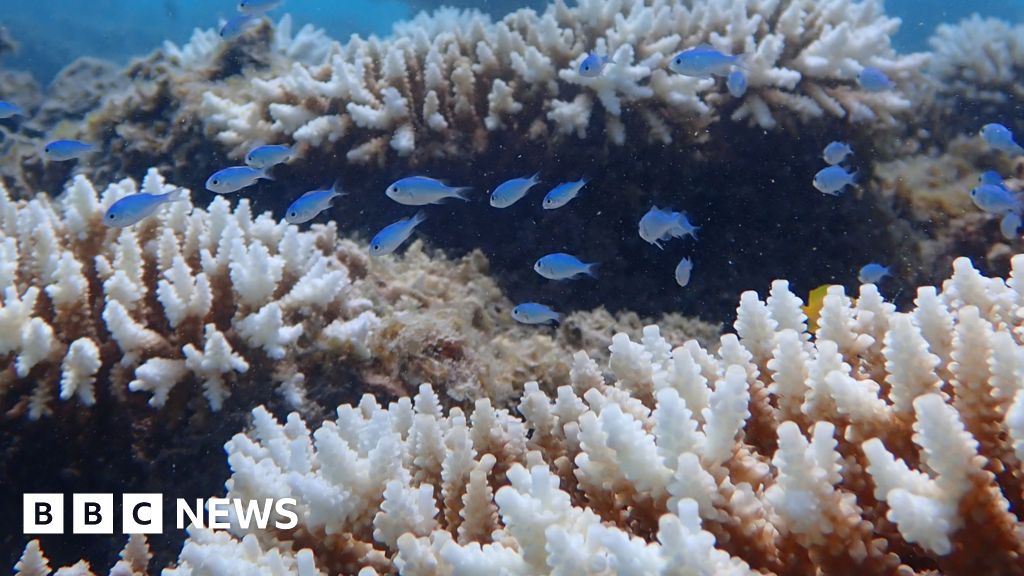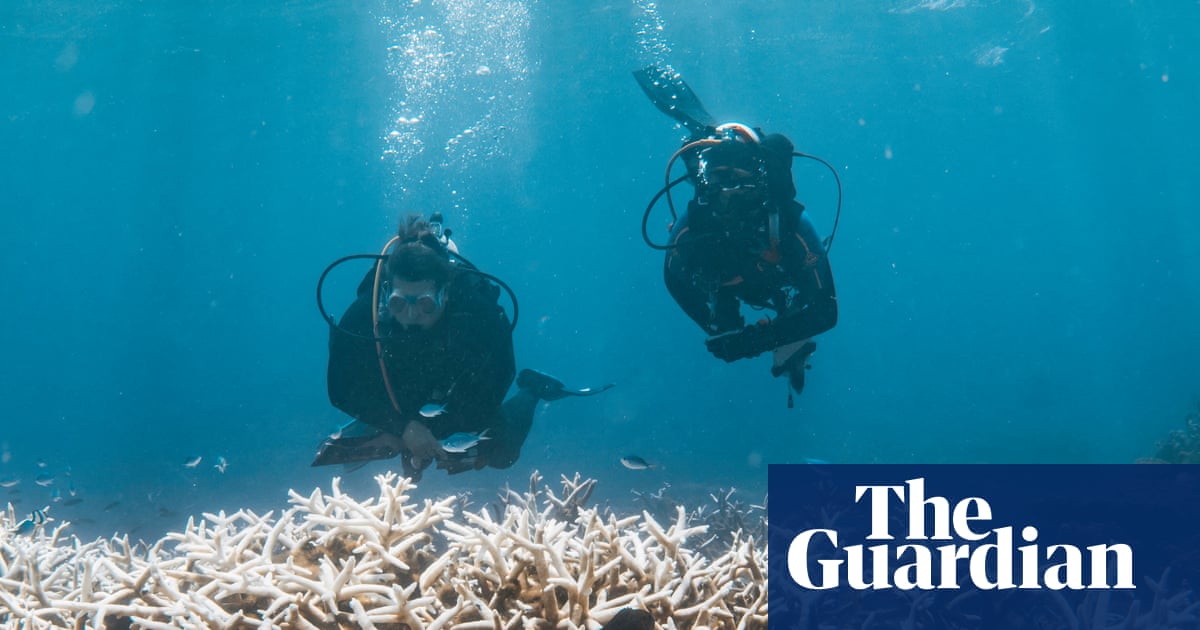
Mass coral bleaching occurs when unusually warm ocean temperatures disrupt the partnership between corals and the microscopic algae that supply most of their energy, leaving corals weakened and often leading to widespread mortality if heat stress persists.The 2014–2017 Global Coral Bleaching Event was the most severe on record, affecting more than half of the world’s reefs, and a new global bleaching event that began in 2023 suggests that large-scale damage is continuing as oceans warm.Bleaching interacts with other pressures — including ocean acidification, overfishing, pollution, coastal development, and destructive fishing — reducing reefs’ ability to recover and increasing the risk of long-term degradation.While conservation, restoration, and experimental interventions may help protect resilient reefs or buy time locally, scientists emphasize that limiting global warming is critical to preserving coral reefs as diverse, functioning ecosystems.
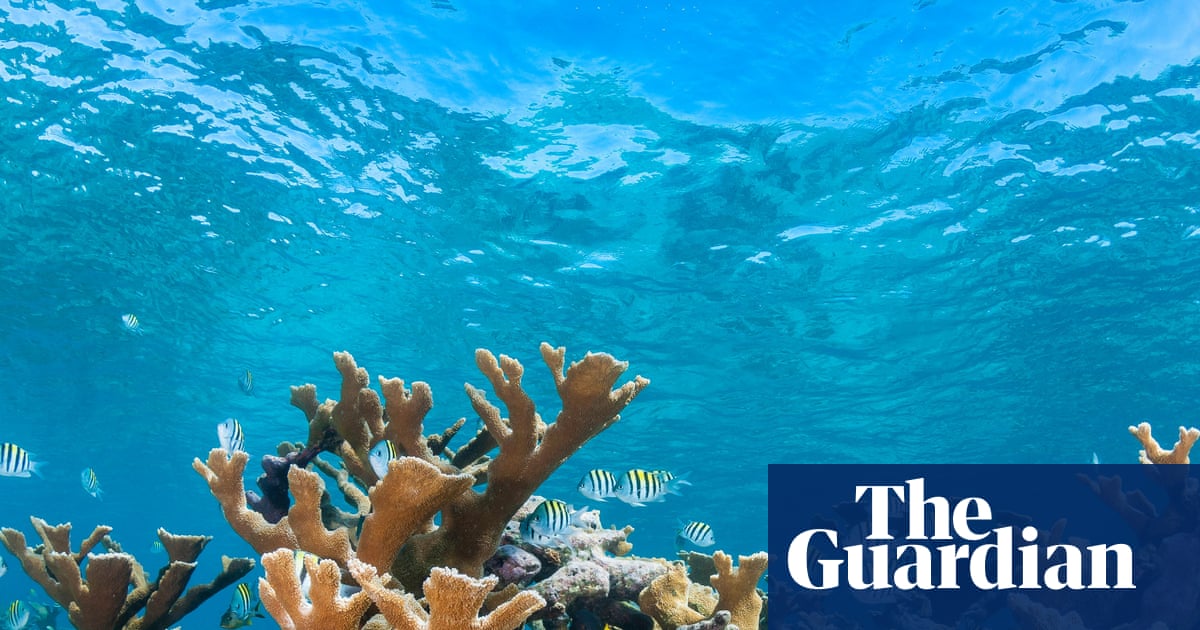
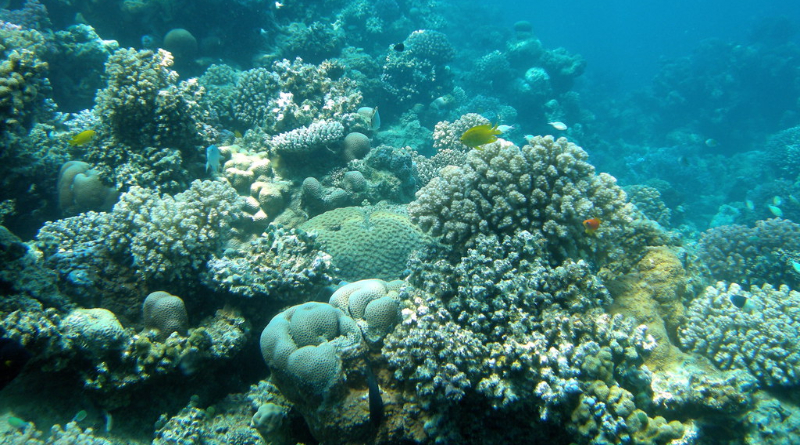
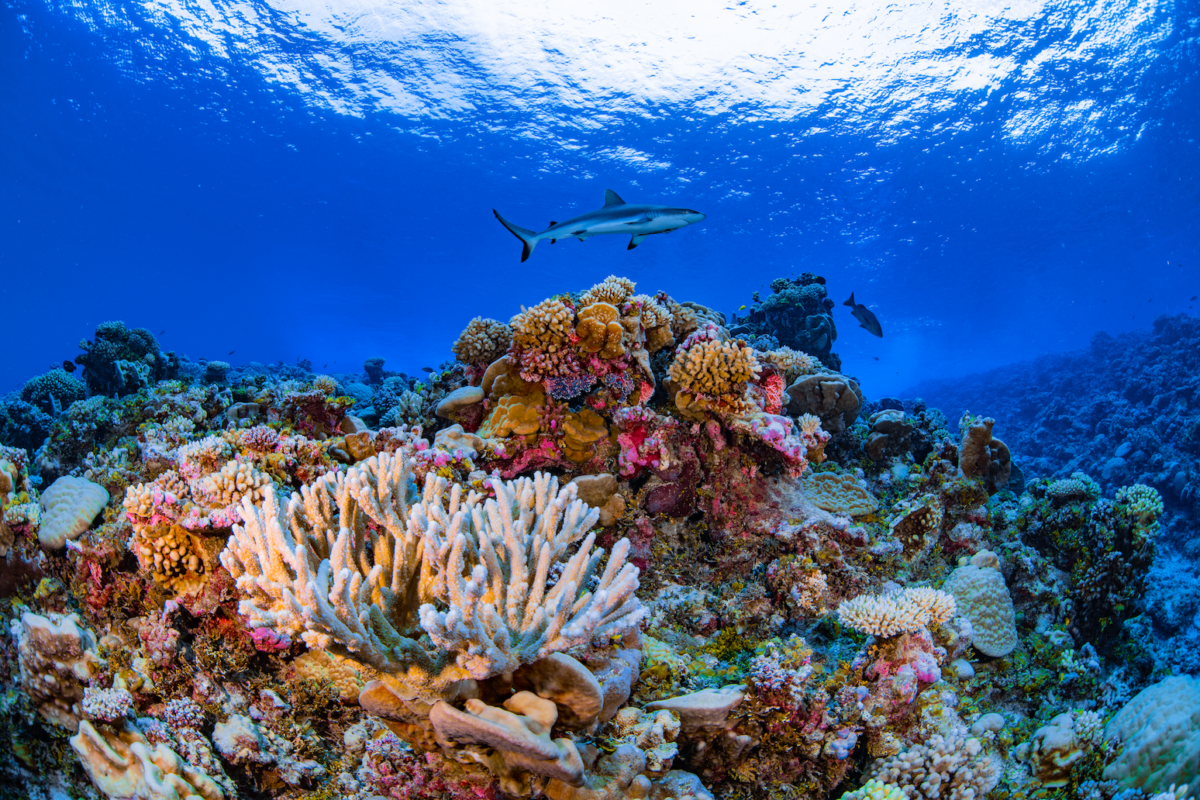
In ordinary circumstances coral reefs are among the most productive ecosystems on Earth, built slowly by animals that appear to be plants. Each coral polyp houses microscopic algae that convert sunlight into sugars, supplying most of the coral’s energy. When conditions deteriorate, especially when water becomes too warm, this partnership breaks down. The coral expels its symbionts, loses its color, and turns white. This is coral bleaching. The coral is still alive, but weakened. If stressful conditions persist, many die.