‘Destructive’ marine heatwaves driving loss of microalgae that feed coral, says Global Coral Reef Monitoring Network
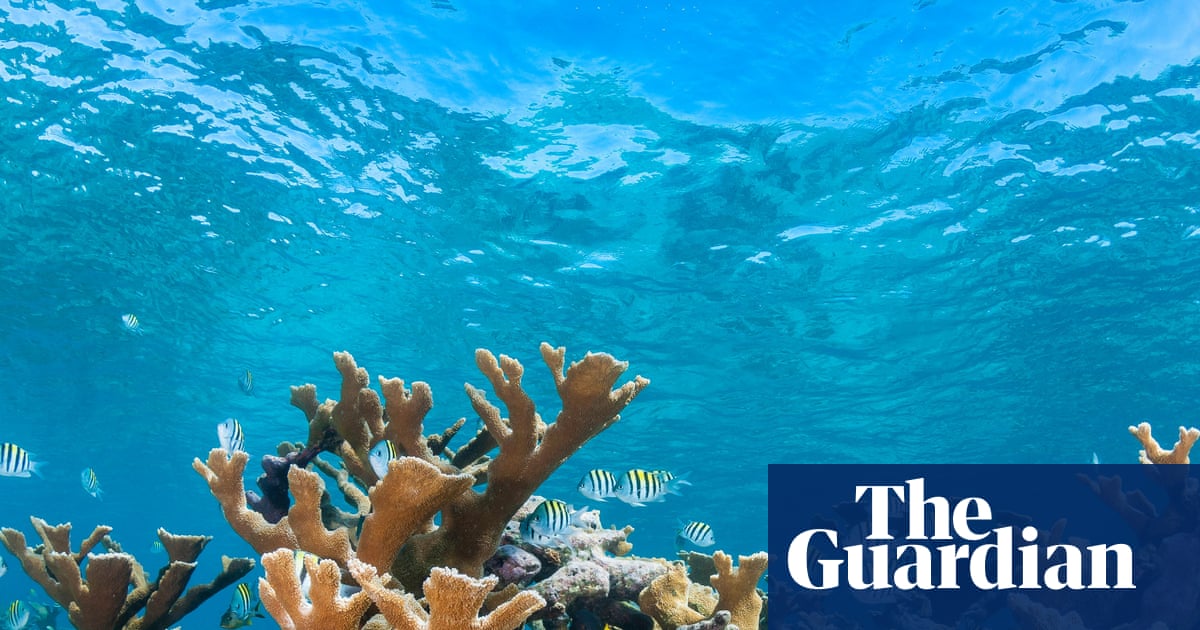
Caribbean reefs have half as much hard coral now as they did in 1980, a study has found.
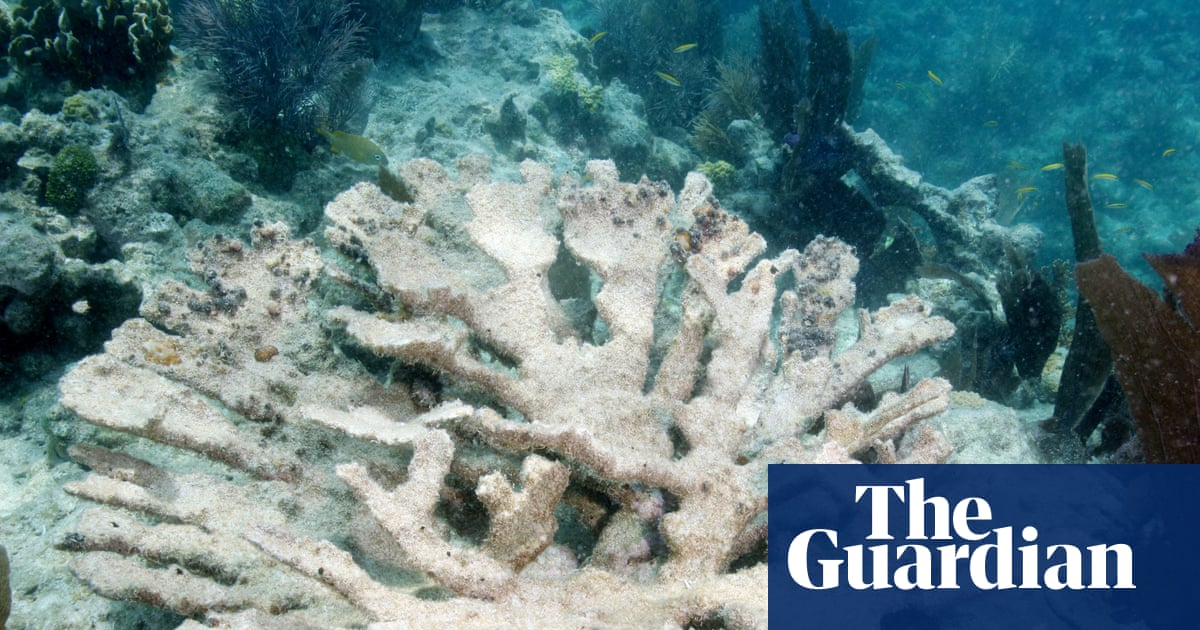
The 48% decrease in coral cover has been driven by climate breakdown, specifically marine heatwaves. They affect the microalgae that feed coral, making them toxic and forcing the coral to expel them.
In 2023-24, the region’s coral experienced “the most destructive thermal stress ever recorded”, said Dr Jérémy Wicquart of the Global Coral Reef Monitoring Network, one of the study’s editors. It caused a 16.9% decrease in cover year-on-year.
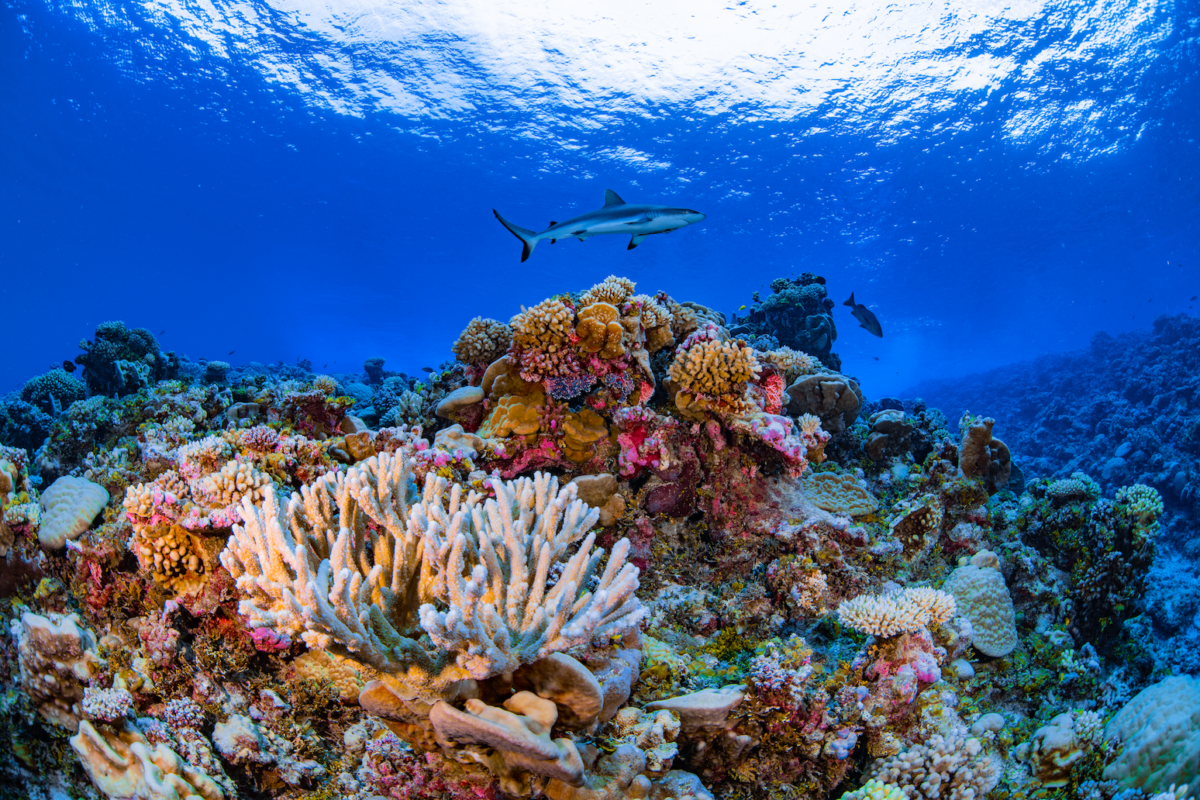
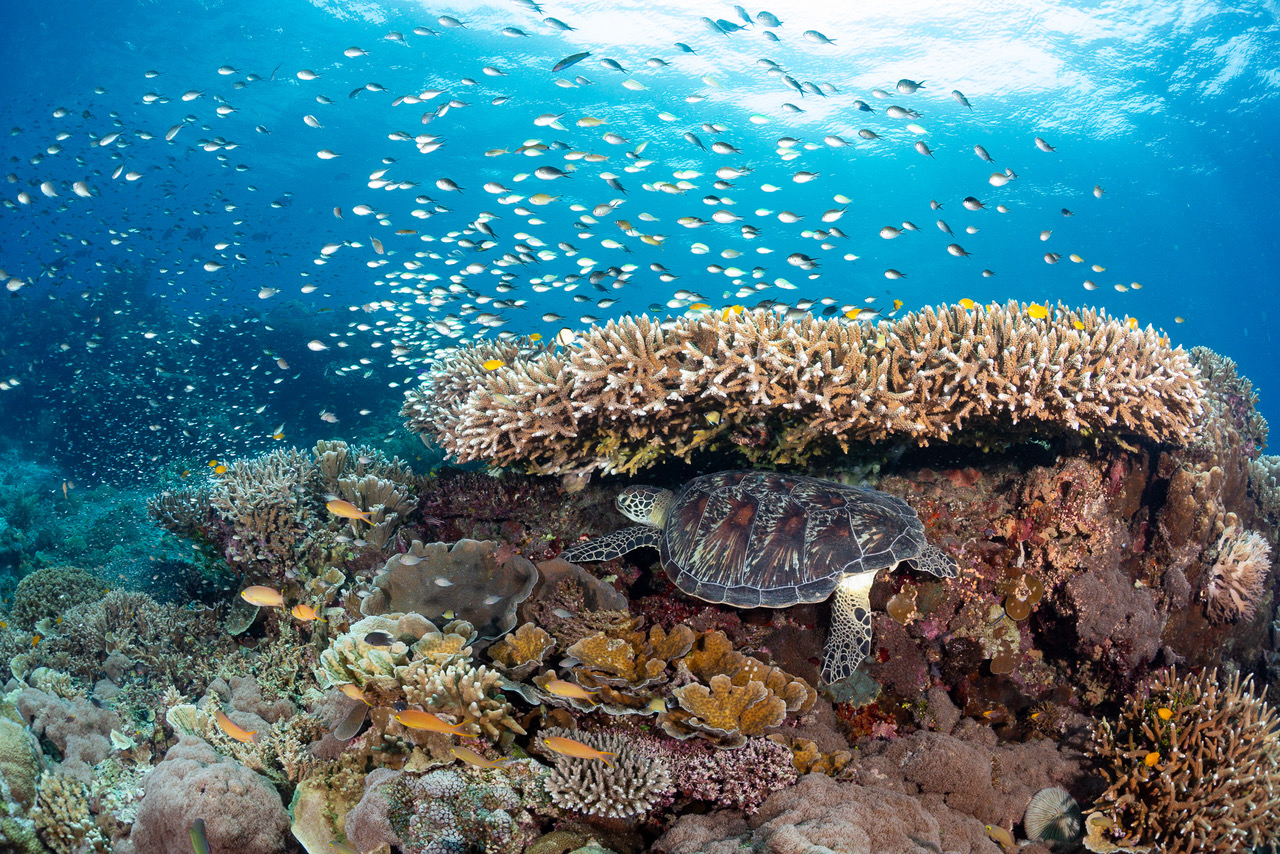
Forty years ago, a diver would have seen a colourful, vibrant ecosystem that nurtured hundreds of marine species such as spiny lobsters, queen conchs, parrotfish, turtles and sharks. Coral reefs cover less than 1% of the world’s seafloor, but support at least 25% of marine species.