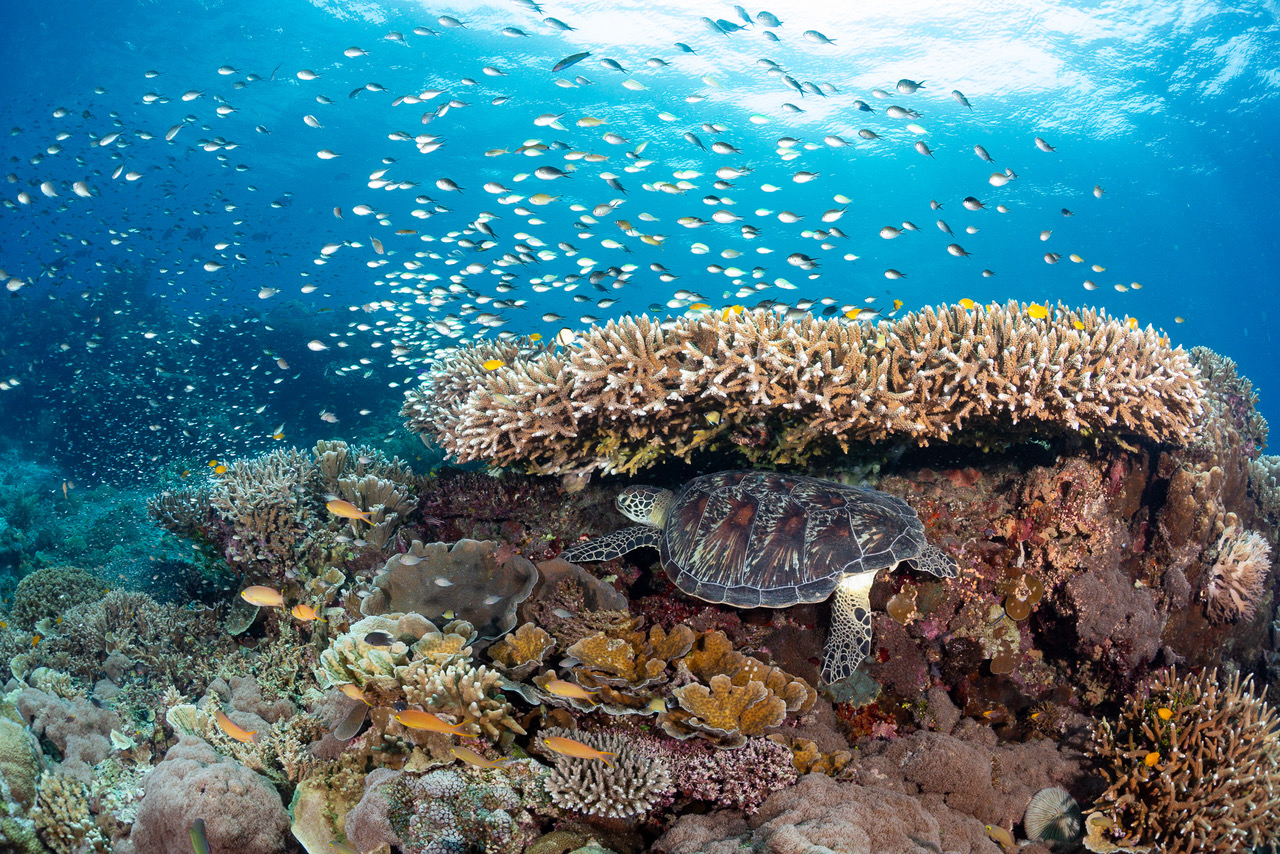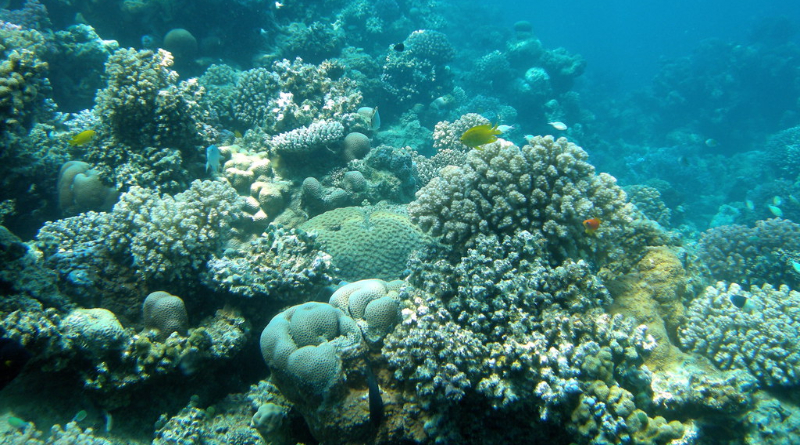
"Coral reef" by mattk1979 is licensed under CC BY-SA 2.0.
Support CleanTechnica's work through a Substack subscription or on Stripe.
Each time we see a photograph of bleached coral reefs, we feel saddened — there is no greater iconography of the climate crisis that surrounds us. The United Nations warned this month of a “deepening crisis” for oceans, outlining a trajectory of intensifying heat absorption, pollution, and overfishing.
Then again, there may be hope for some of the world’s corals, as scientists are working feverishly to replant coral reefs. “Can’t install good over bad,” your grandpa would insist? Grandpa is still correct. This time, however, heat-tolerant corals could be the key to surviving climate change in the ocean deep.
Coral reefs cover less than 1% of the ocean floor yet support approximately 25% of all marine life. They offer natural coastline protection and food for coastline communities. Marine heatwaves introduced patterns of coral extinction and bleaching, so, without intervention, many reefs are at risk of disappearing by 2050. Of the reefs that are forecast to remain resilient in a hotter world, less than a third are currently in areas protected by conservation measures.