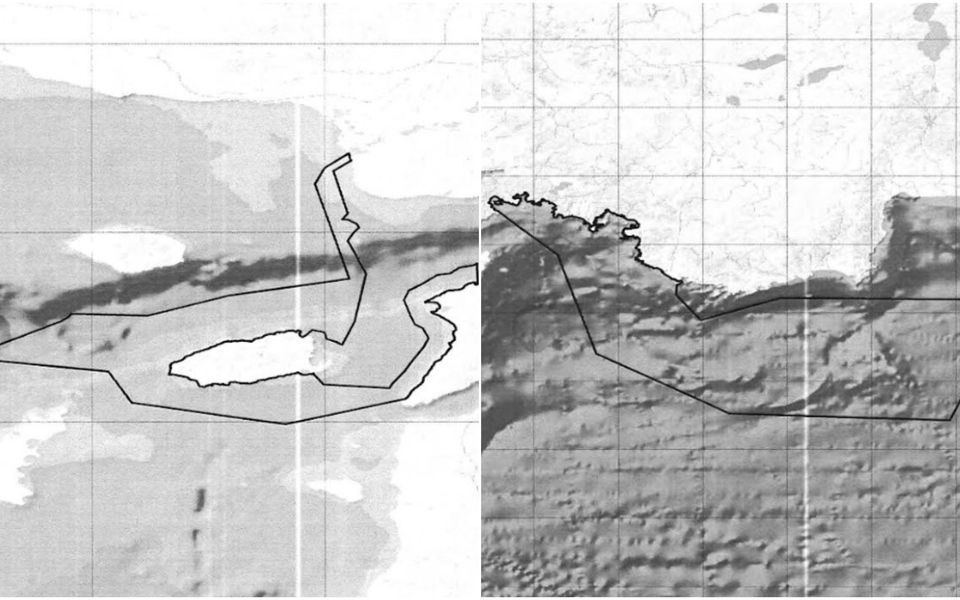
Turkey’s establishment of two marine parks in the northeast Aegean and the Eastern Mediterranean, between Greek islands of particular symbolism and geopolitical value, could lead to a serious deterioration in Greek-Turkish relations.
The timing is not accidental, while the complete reluctance to seek a minimum of understanding with Athens is revealing. All this is happening while, a few days ago, Athens announced its new Special Spatial Planning Framework for Tourism, prompting Ankara to accuse it of instrumentalizing environmental protection and calling for the avoidance of unilateral actions in closed or semi-closed seas.
Now Ankara is attempting to impose new faits accomplis, once again disregarding every concept and interpretation, even expansive, of the Law of the Sea, since marine parks, when unilaterally defined by a state, cannot exceed the extent of the territorial waters. In the case of the two designated areas, Turkey exceeds its territorial waters, which means that, under the Law of the Sea, it should come to an arrangement with the neighboring state with which it shares international waters, to jointly agree on marine protected areas.
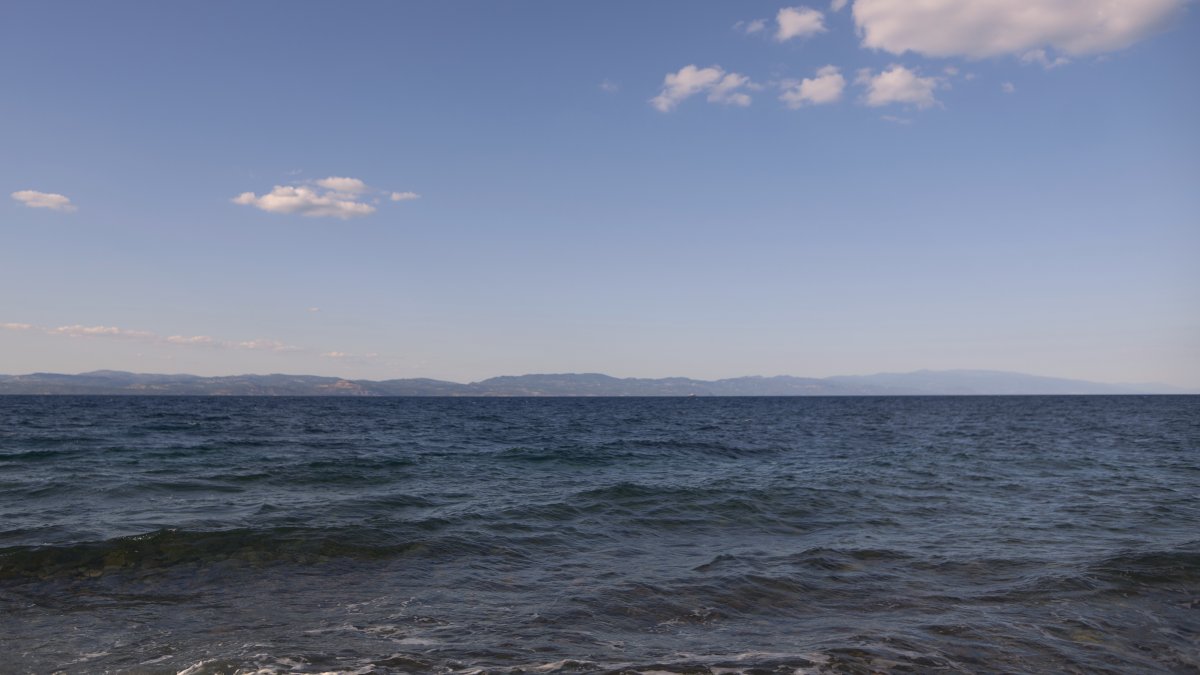
The Turkish president’s decree transforms international waters into a marine protected area, with Turkey being able to exercise special powers that entail conditions for the exercise of freedoms of the high seas, and in practice cuts off the sea between Limnos and Samothraki, while access to Kastellorizo by sea could even require compliance with conditions set by Turkey. Essentially, Ankara is attempting to alienate Kastellorizo from the rest of Greece. In the case of the Northeast Aegean, although international navigation is not affected, as the marine park leaves the mouth of the Dardanelles Strait open, it nevertheless imposes restrictions on communication between Greek islands and more specifically Limnos and Samothraki, even closing the Gulf of Saros.