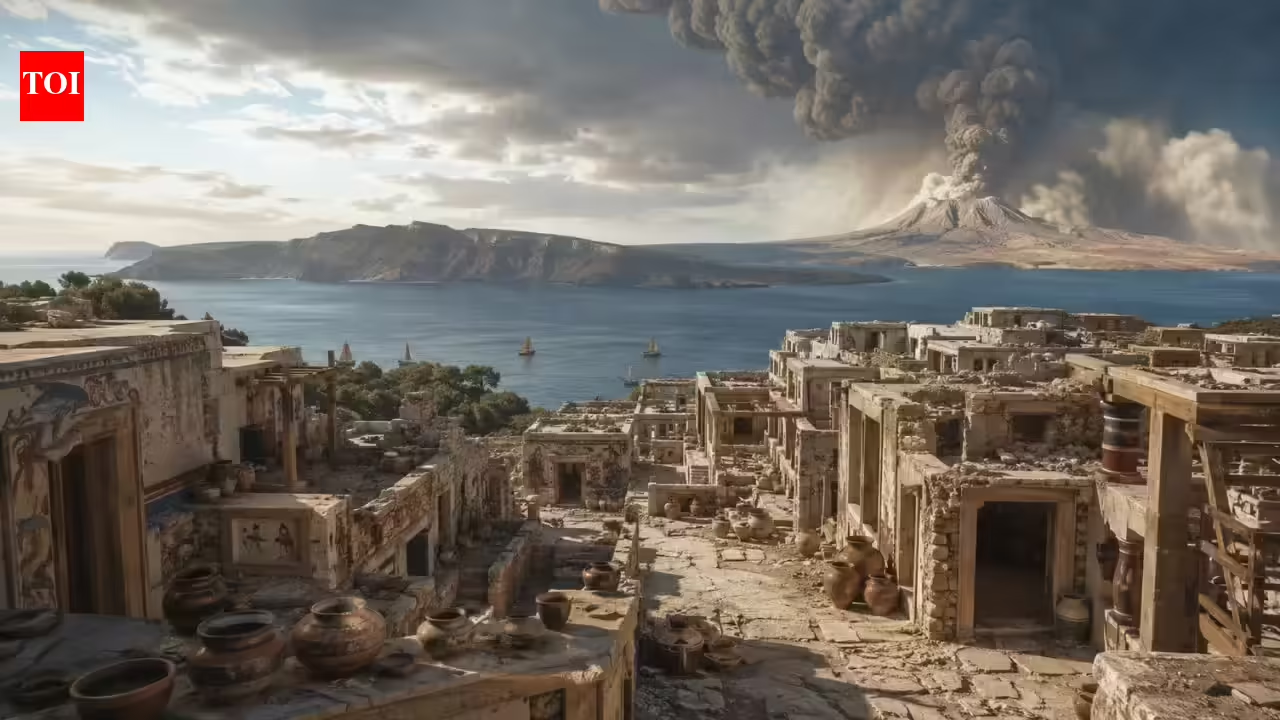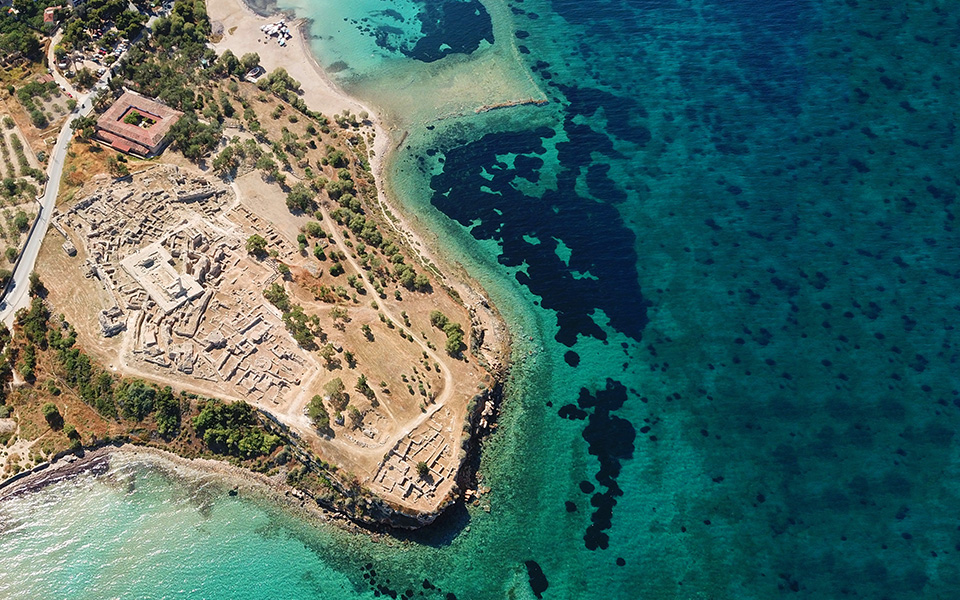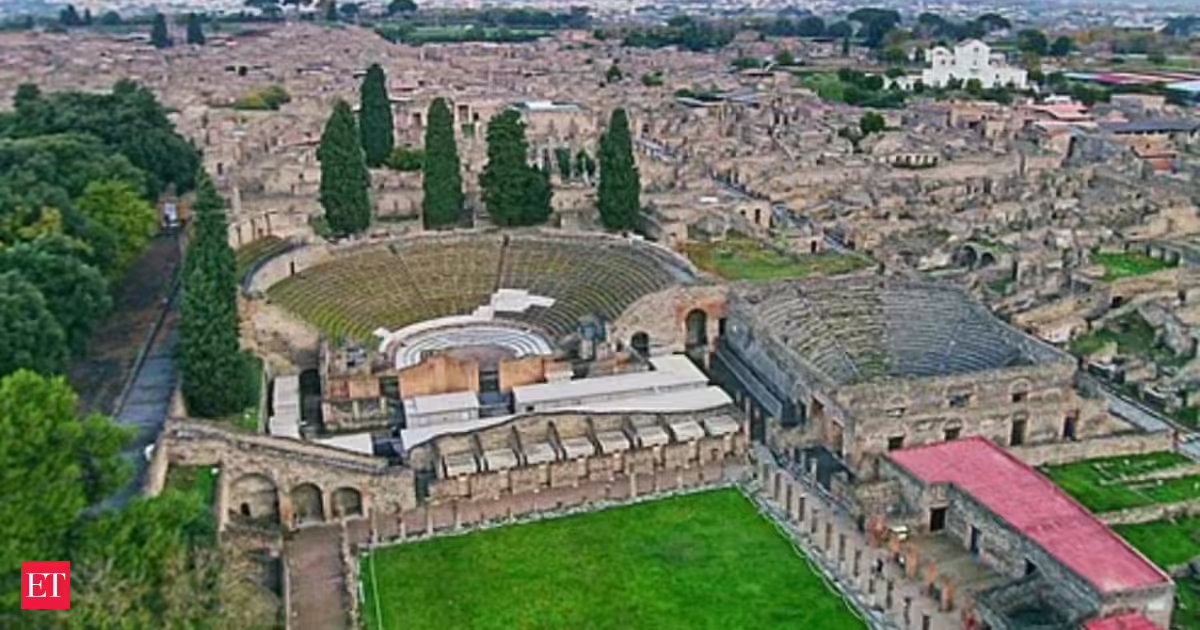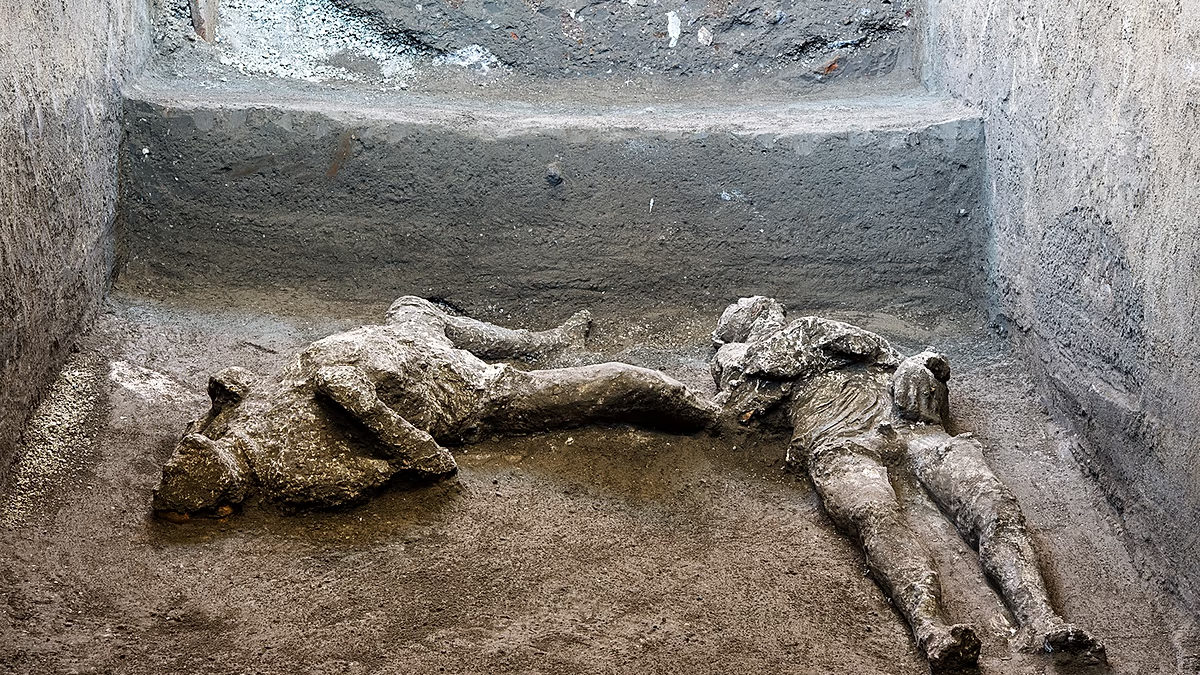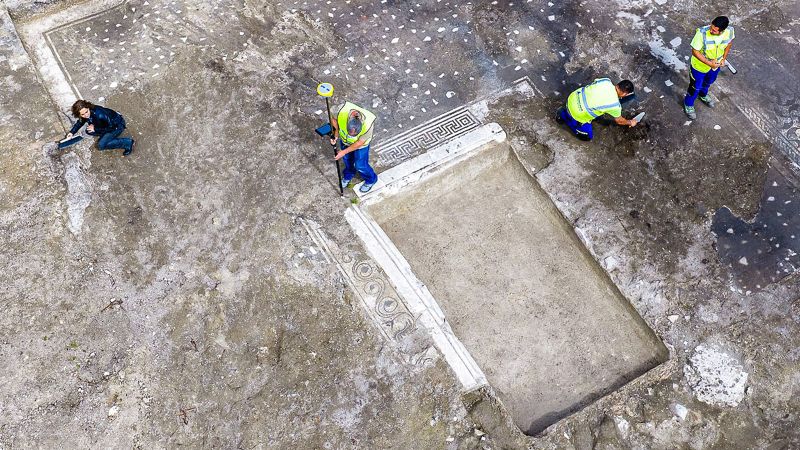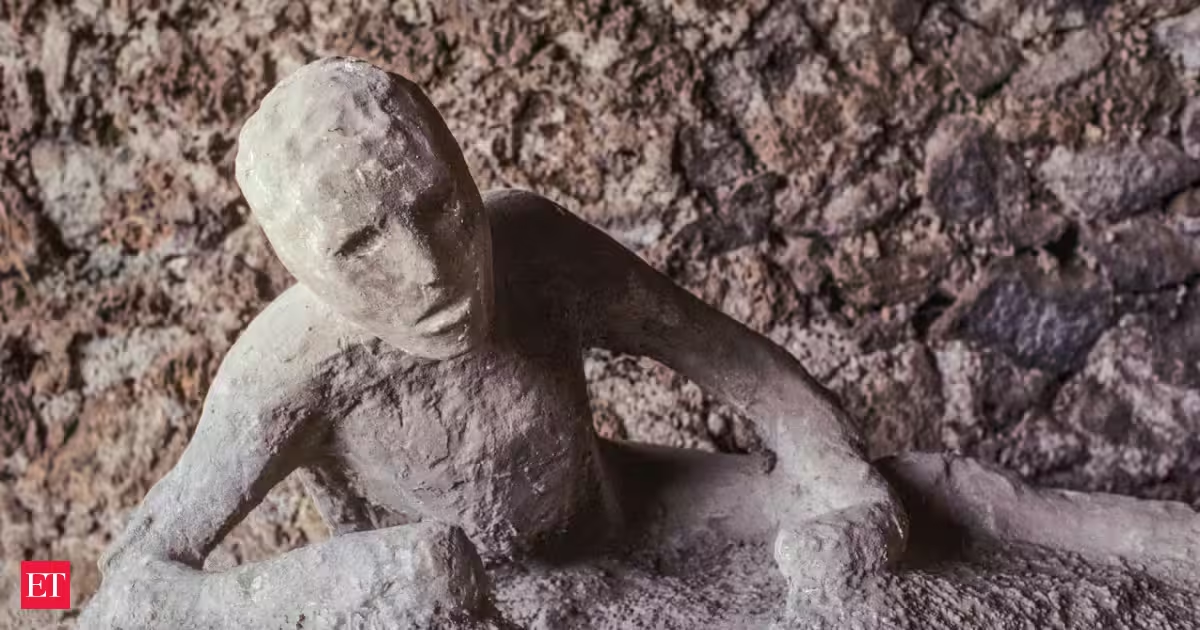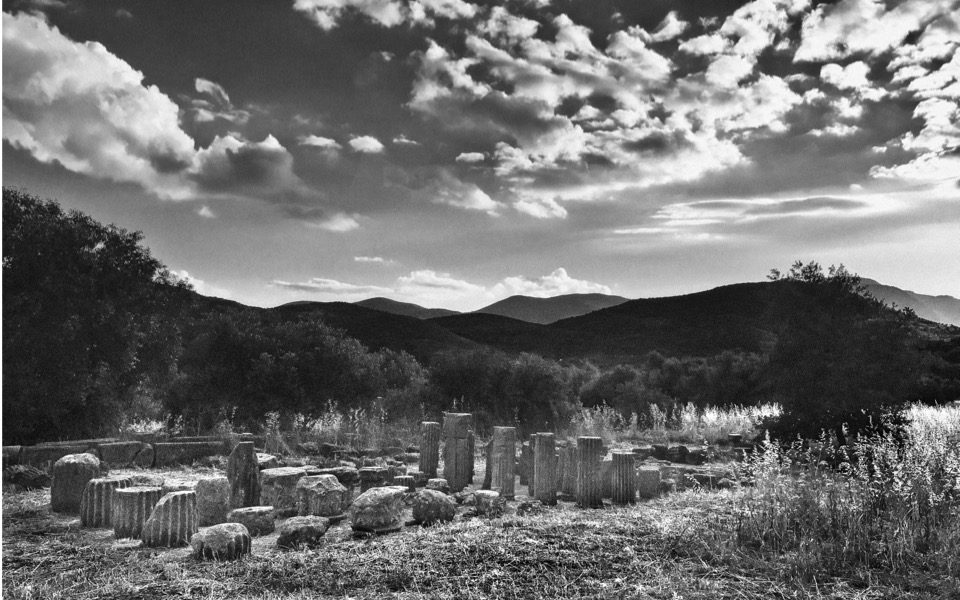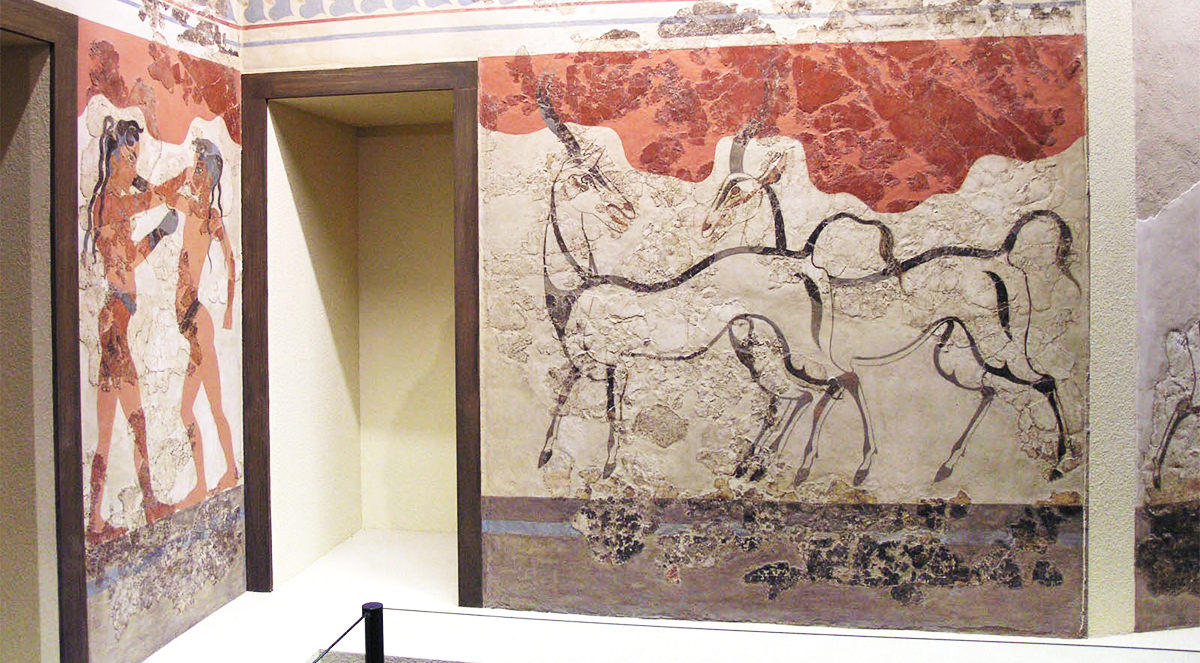
Even for a country with a past as rich and storied as Greece’s, the ancient city of Akrotiri stands out amongst its historical sites.Featured VideoThe ruins of the Bronze Age metropolis sit on the volcanic island of Santorini, in the southern Aegean Sea, some 120 miles southeast of the mainland. Excavations began in earnest on the island in 1967, and on Aug. 19, 1969, the city was uncovered in its entirety—frozen in time, as Pompeii would be thousands of years later, by a thick coating of pumice and ash.That pumice and ash came from a giant eruption that archaeologists think happened sometime in the 16th century B.C. While there’s no exact date for it, we know it was one of the largest volcanic eruptions in history—devastating many settlements of the Minoan civilization, including Akrotiri.The volcanic blanketing of the city has preserved it in remarkable detail. Frescoes, figurines, pottery, furniture, and other artifacts have all been recovered from the site. What hasn’t been found are any skeletons, a distinct difference from Pompeii, suggesting that residents got advance warning of the volcanic eruption—perhaps through earthquakes and tremors—and escaped just in time.Here’s what Akrotiri looks like today, as well as what it reveals about the Minoan people and their way of life. An overview of the excavations at Akrotiri. Credit: vivoo / Adobe Stock.Some beautiful frescoes have been preserved at Akrotiri, giving archaeologists insights into Bronze Age life. Credit: Marsyas / Wikimedia.Tall ceramic jars called amphorae are among the more common finds, used to transport a wide range of food and drink. Credit: bummi100 / Adobe StockRead more: “The Volcano That Shrouded the Earth and Gave Birth to a Monster”Akrotiri appears to have been a prosperous, sophisticated urban center, with rich decorations inside many buildings. Credit: bummi100 / Adobe Stock.Tablets are also among the excavated finds, although experts haven’t been able to decipher the writing on them. Credit: Happenstance / Wikimedia.A marble figurine of a harp player, recovered from a grave at Akrotiri. Credit: Smial / Wikimedia.Another Akrotiri fresco showing a procession of ships, possibly linked to a festival. Credit: Yann Forget / Wikimedia.The full excavated site is on display under a protective roof, with raised pathways for visitors to walk along. Credit: Linda Harms / Adobe Stock.Enjoying Nautilus? Subscribe to our free newsletter.Lead image: Marsyas / Wikimedia
A Peek Inside the Pompeii of Greece
A Peek Inside the Pompeii of Greece: It’s a treasure trove of Minoan art and antiques
385 words~2 min read