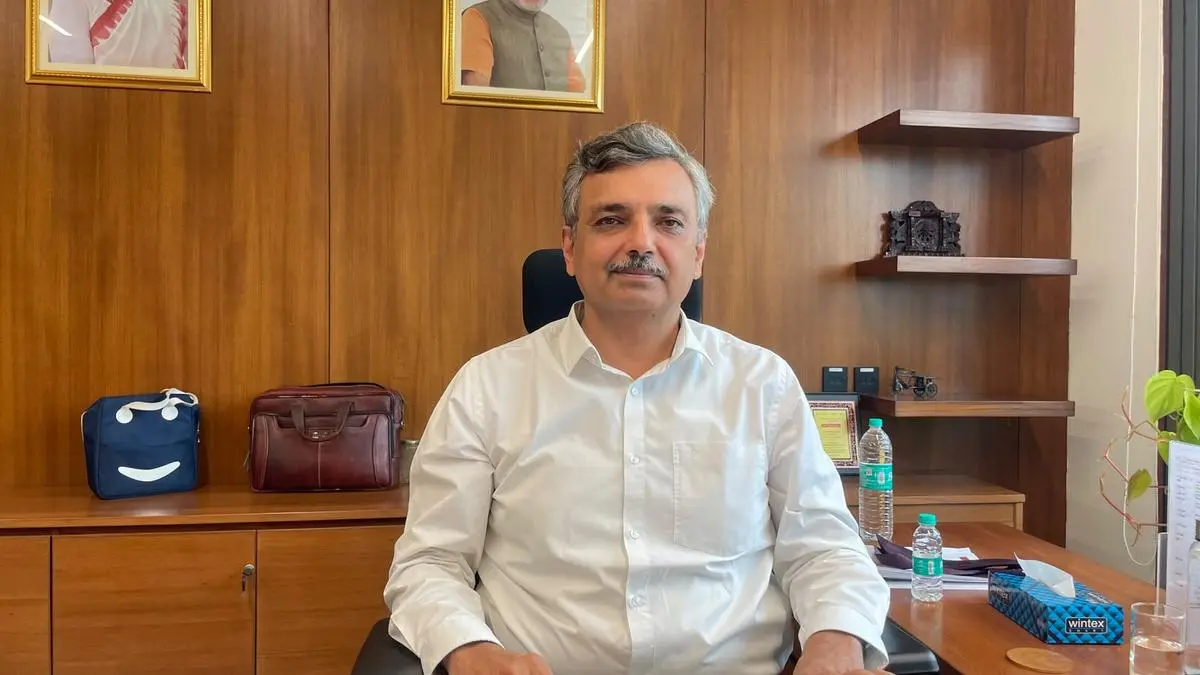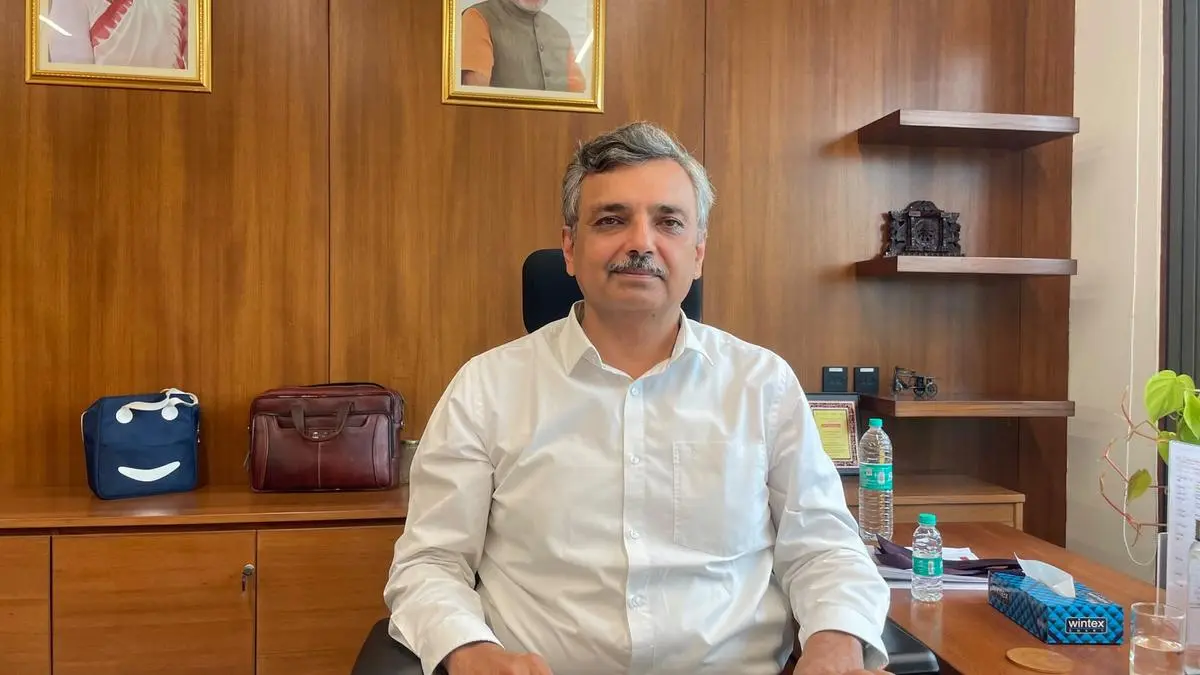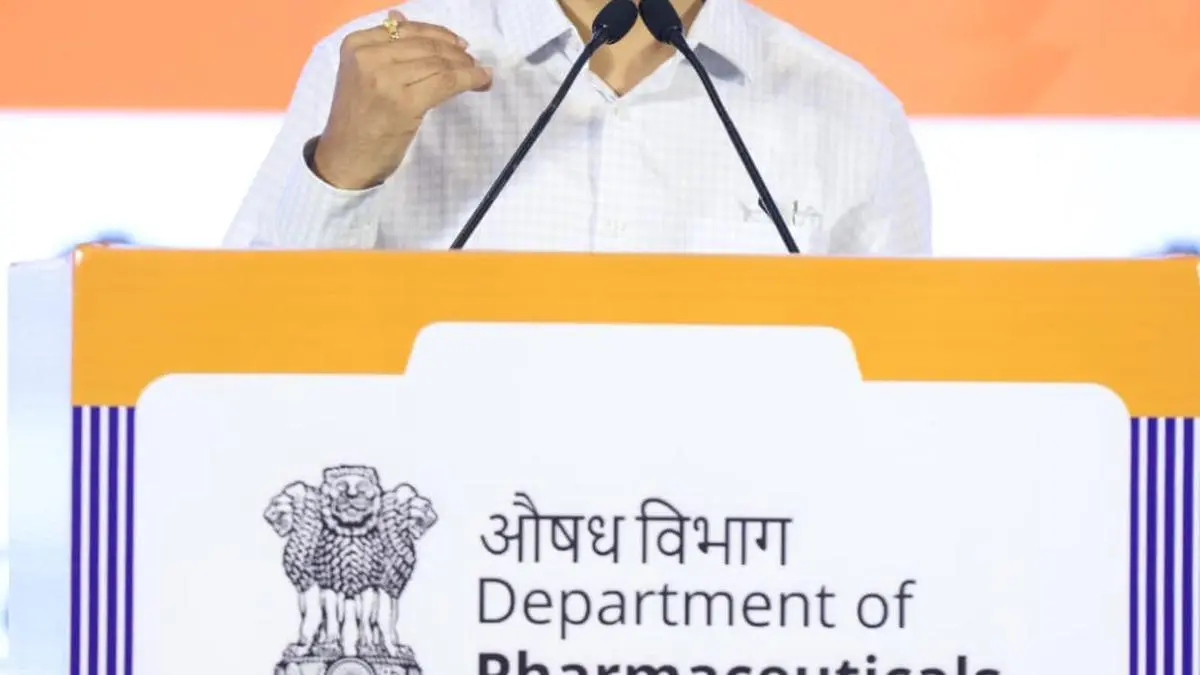
Manoj Joshi, Pharma Secretary
Too may poor quality medical device products are being made and sold in India and the regulatory system is not able to control all of them, said Department of Pharmaceuticals Secretary Manoj Joshi, calling for stronger testing of finished devices and a regulatory framework designed specifically for the sector.Speaking at the CII Global MedTech Summit, Joshi said the country was producing too many poor quality products. He said the problem was particularly relevant to consumer products and disposables, but quality improvements were also needed in high-end medical-device manufacturing.He said one of the key problems was that of poor-quality products being sold in the country. “One part of our regulatory problem is that that product gets sold in the country. We are not really able to control all of that,” he said.Joshi said the regulatory system must focus on the quality of the actual product manufactured and not only its design. While the design of a device could be good, he said the finished product could still be substandard if the manufacturer lacked engineering capability or did not use the right raw materials.“Whether prototype or commercially made, products need to be tested. Which is not really happening much in our system,” he said, calling this one of the first problems that must be addressed in medical-device regulation.He said this was a fundamental difference between drugs and medical devices. Drugs were chemical or biological products, while medical devices were essentially engineering products used in healthcare. Therefore, “you require a different perspective when you do a regulation”.Joshi said a manufacturer could make a device using the same design as a leading global company, but the final product could still be different if its engineering capabilities or raw materials are inferior. “Someone who is not very good at engineering makes the same thing, it may not be the same product,” he said.US modelHe suggested that India should consider a greater role for third-party certification in medical-device regulation. Comparing the US and European systems, he said the US model relied more on regulators doing assessments in-house and therefore required greater regulatory capability, while the European system relied more on third-party certification.“Considering where we are on the regulatory capability, probably the European model suits us better,” he said, adding that India could have greater regulatory capability in 10-15 years. Joshi also said the government must decide how components and assembly operations are regulated as devices use components from different parts of the world. “What do you check? And how often do you check? How often do you give approval?” he asked.He said India should not simply copy the regulatory systems of Europe or the US. “Because we are different,” he said, pointing to differences in India’s regulatory and industrial capacity, number of manufacturers, adherence to standards and technology.He also criticised the medical-device industry for not providing enough inputs on regulation. While there was extensive discussion with the drugs industry, he said he had heard little from medical-device manufacturers about what they wanted in regulation.He said there was an “intellectual debate” missing in the industry over what the right regulatory system for India should be. “Please change that,” he told the industry, urging it to provide inputs to the government.Joshi also outlined the government’s manufacturing priorities. He said it wanted more component manufacturers in India and greater domestic value addition. Companies that had started manufacturing with low value addition would be encouraged to move towards 40-45 per cent value addition, while more incentives would be provided to component makers and SMEs.Govt schemesHe said the government was also examining whether existing incentive/PLI schemes could be extended so that companies that had already invested but were not claiming incentives could benefit. He said poor quality also created uncertainty for buyers, who could be hesitant to take responsibility for purchasing products when they were unsure about their quality. “That improvement in quality, both on the regulatory side and on the government incentive side, is what we require,” he said.Joshi said the government wanted to improve quality in consumer and disposable products as well as high-end devices, while designing incentives and regulation in a way that aligned the interests of industry, government and the health sector.Joshi also outlined how the government wanted to structure incentives to deepen domestic manufacturing. He said projects involving medical devices that are not currently made in India should be allowed to start without a value-addition requirement to encourage new manufacturing. However, companies that had entered the sector in the first round with low domestic value addition should be encouraged to raise it to 40–45%. He said the government also wanted to provide greater incentives to component manufacturers and SMEs, with the aim of increasing domestic value addition across the medical-device sector.Published on August 21, 2026