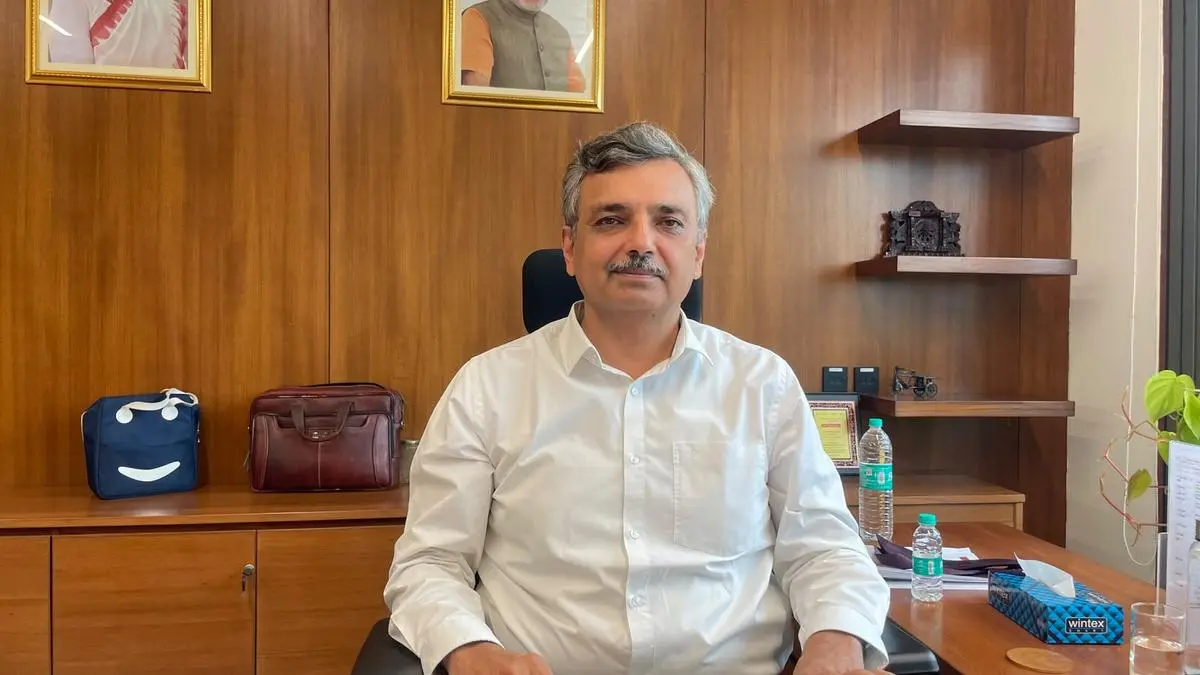
From implementation of revised schedule M norms to tighter regulatory oversight and efforts to improve manufacturing, Manoj Joshi, Secretary, Department of Pharmaceuticals, in an interview with businessline covered the government’s roadmap to strengthen India’s pharmaceutical sector amid concerns over drug quality, export scrutiny and rising medicine costs. Joshi highlighted the industry’s long-term challenges, including building a robust biopharma ecosystem, reducing dependence on imported APIs and enhancing quality surveillance. Edited Excerpts:
Following concerns over substandard medicines and scrutiny of Indian drug exports, what reforms has the government undertaken to strengthen manufacturing quality and regulatory oversight?
The revised Schedule M became mandatory from January 1. Companies that do not comply with the revised WHO-GMP standards are being asked to shut down unless they are in the process of upgrading. Other measures include stricter regulation of exports, requiring regulatory No Objection Certificates (NOCs) for certain products not sold domestically. Revised Schedule M also prevents non-compliant companies from participating in government tenders.
Looking ahead, what do you see as the three biggest challenges for the Indian pharmaceutical industry over the next decade, and what policy interventions will be critical to ensure India remains the pharmacy of the world?