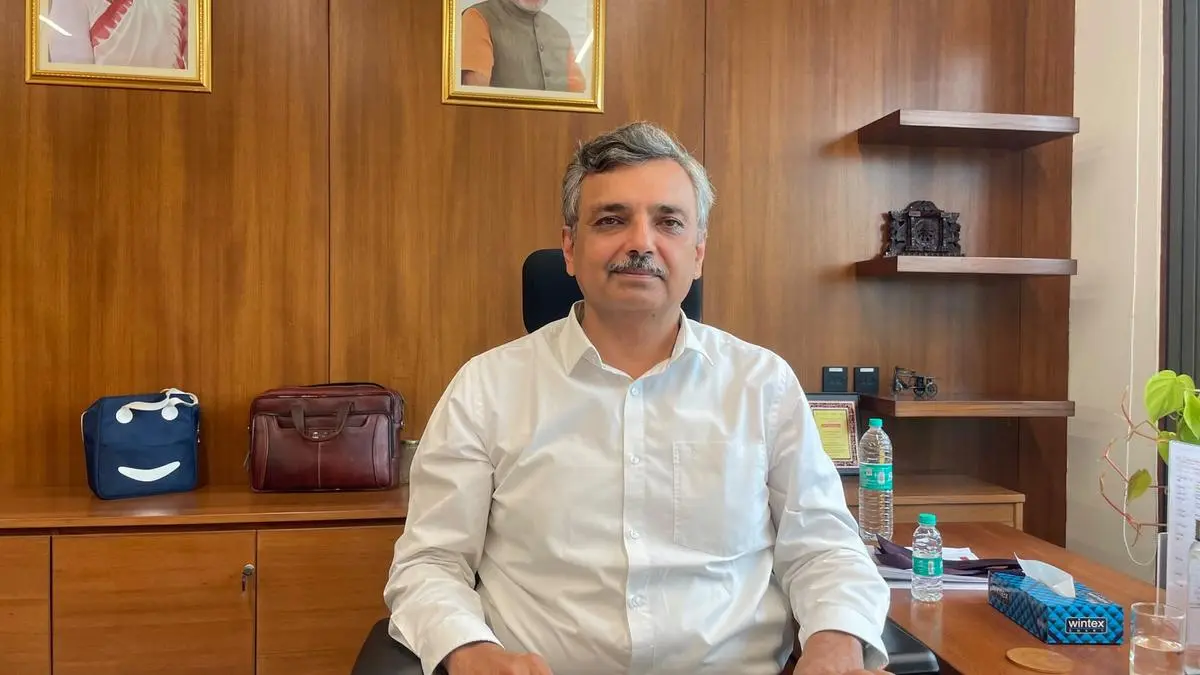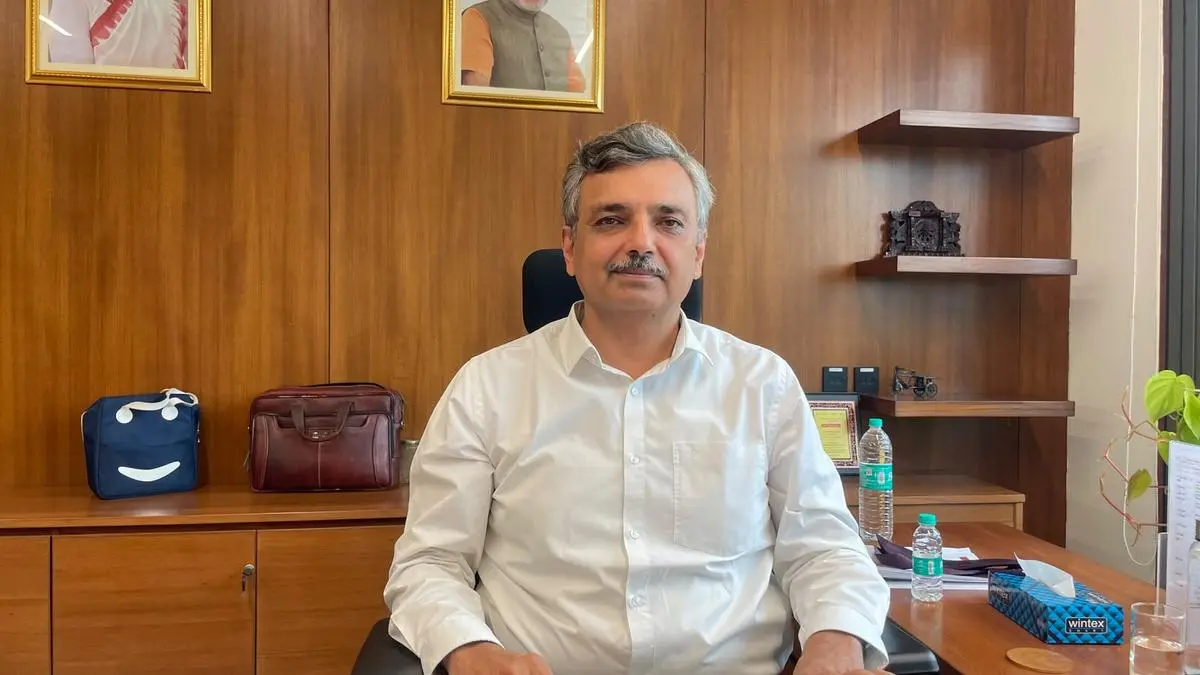
Manoj Joshi, Secretary, Department of Pharmaceuticals
The Centre has begun cracking down on pharmaceutical manufacturers that fail to meet revised quality standards, with non-compliant companies being asked to shut down unless they upgrade their facilities, said Manoj Joshi, Secretary, Department of Pharmaceuticals.In an interview with businessline, Joshi said restoring confidence in India's pharmaceutical manufacturing through stricter regulation is the government's immediate priority."The revised Schedule M became mandatory from January 1. Companies that do not comply with the revised WHO-GMP standards are being asked to shut down unless they upgrade. Non-compliant companies are also not eligible for government tenders,” he said, adding that regulatory no objection certificates (NOCs) are now mandatory for the export of certain medicines not sold in India.weight-loss drugsOn the global surge in GLP-1 weight-loss drugs such as semaglutide, Joshi said that four or five companies are already manufacturing them in India, while others import or source them domestically. "Misuse is a matter for the Health Department. Counterfeit drugs remain a concern, and CDSCO, state regulators and the police are taking continuous action," he said.Looking ahead, Joshi identified three priorities for keeping India the pharmacy of the world — building a stronger ecosystem for biological drugs, reducing dependence on imported bulk drugs and improving drug quality through tighter surveillance and enforcement.On medicine prices, he said essential drugs remain under price control, while trade margin rationalisation for expensive medicines is under consideration. “The prices of essential medicines cannot rise by more than 10 per cent a year. But any cap on trade margins has to be balanced, as it could affect supplies of cheaper medicines in rural areas,” he said.On industry demands for price hikes due to higher input costs, Joshi said only evidence-backed requests would be considered. “The NPPA is examining cases supported by data, particularly where API prices have risen significantly. Many companies have made only general requests."price controlJoshi also rejected the argument that price controls have hurt innovation. "Around 80 per cent of medicines are already outside price control. The bigger issue is that Indian companies underinvest in R&D because markets often treat it as an expense rather than an investment," he said.On import dependence, Joshi said 30-35 per cent of drugs still rely on Chinese APIs, while 60-65 per cent have a fully domestic value chain. The PLI scheme has enabled production of key bulk drugs such as Penicillin G and Clavulanic acid with further incentives planned. On the Jan Aushadhi scheme, he said the government plans to add more medical devices and some OTC products. “Drug quality has generally not been an issue. But medical devices require closer scrutiny because procurement is based on the lowest bidder. If complaints arise, procurement from that supplier is stopped,” he said.Published on July 30, 2026