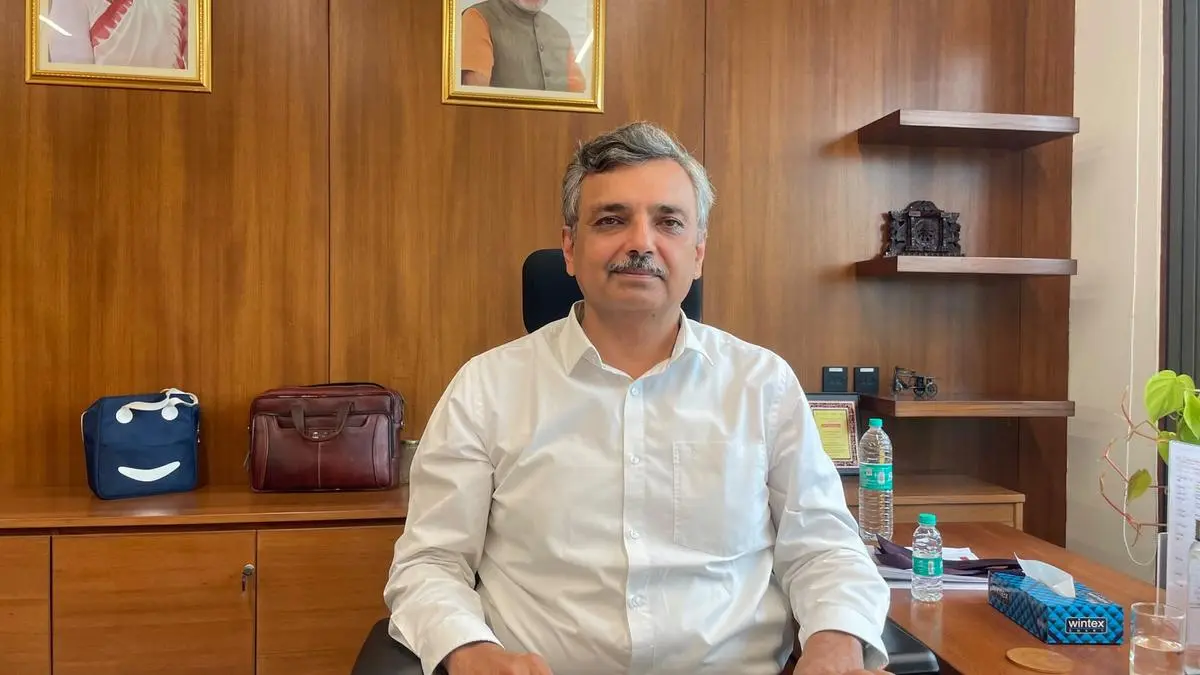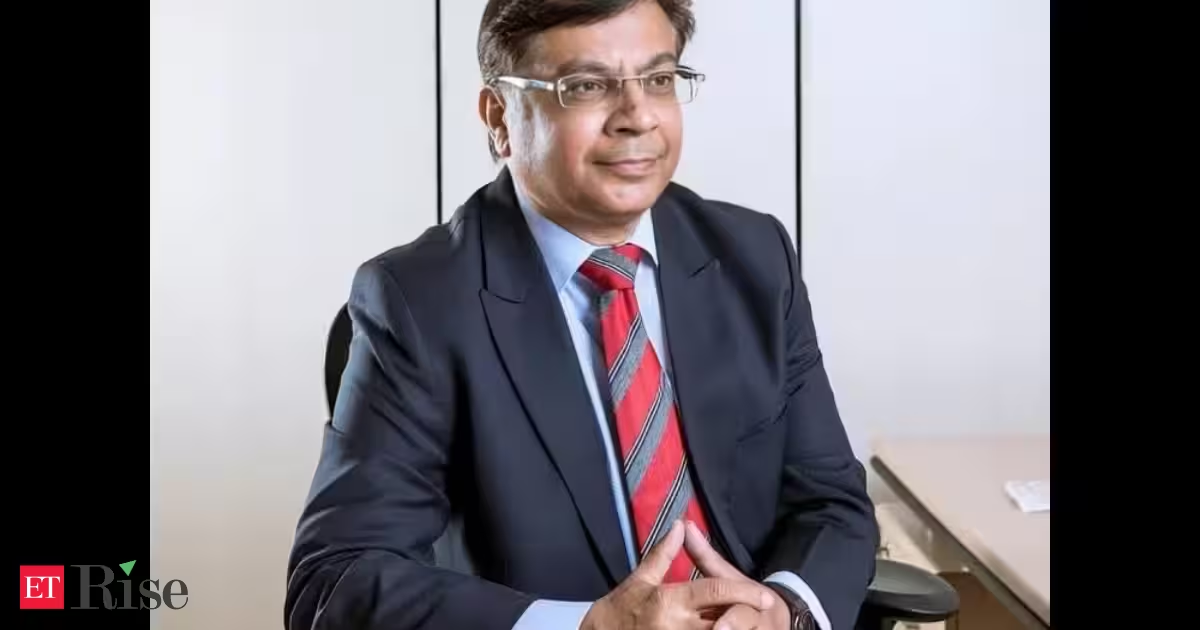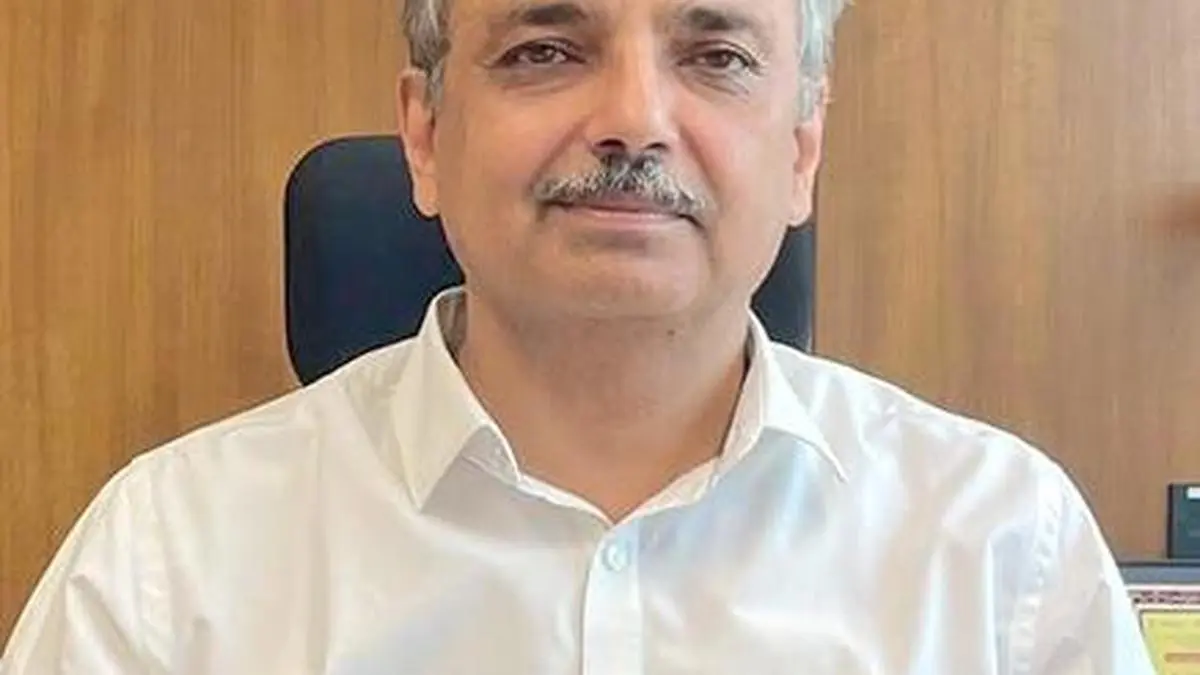
(file picture) Pharma Secretary Manoj Joshi
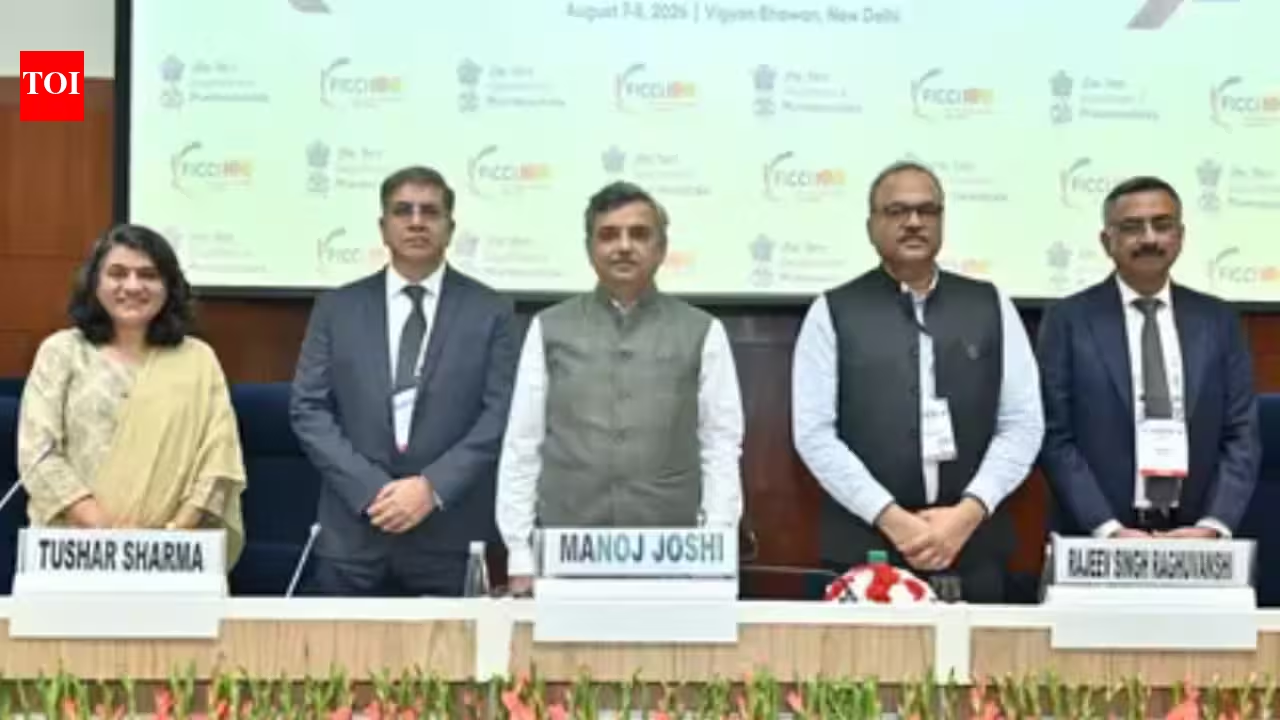
Calling India’s medical device start-up ecosystem vibrant but commercially fragile, Pharma Secretary Manoj Joshi on Friday said many start-ups are struggling to take their innovations to market despite receiving government support, and urged greater collaboration between established industry players and young companies to help commercialise new technologies.Addressing the inaugural session of the 9th India Medical Device 2026 in New Delhi, Joshi said India has witnessed a surge in medical device startups, particularly in the in-vitro diagnostics (IVD) segment, where innovators are developing compact diagnostic devices that can be deployed at primary health centres (PHCs), community health centres (CHCs) and village-level health facilities.“We have a large number of start-ups, more in the IVD side, trying to make easy small devices which can be used at the PHC, CHC and village level,” he said, adding that incubation centres focused on healthcare now host a significant number of medical device startups.Joshi said the government’s Promotion of Research and Innovation in Pharma-MedTech (PRIP) scheme had received around 750 applications, of which nearly 500 came from medical device startups, reflecting the sector’s growing innovation pipeline.However, he questioned whether the ecosystem currently has enough market opportunities to sustain such a large number of start-ups.“We gave a lot of grants under BIRAC and several other schemes. A number of startups have come up and they are finding it challenging to sell their product,” he said.According to Joshi, building a prototype is only the first step.“It is much easier in the medical devices sector to produce a prototype, slightly more difficult to produce a product, and far more difficult to sell that product,” he said, explaining that startups developing products for government health facilities face particular challenges because State governments, often the only buyers, are unfamiliar with new technologies.To bridge this gap, Joshi proposed partnerships between established medical device manufacturers and startups.“Some sort of a partnership between a large industry and these start-ups can at least provide a market to some of the start-ups. Large industries can also take advantage of the product development which start-ups have done and buy those technologies,” he said, noting that such acquisitions and collaborations are common in the pharmaceutical sector but have not yet become a feature of the medical devices industry.He estimated that nearly 1,000 to 2,000 start-ups are currently working in the medical devices space and said India needs a clearer strategy to ensure their innovations do not remain confined to laboratories.“Otherwise, we are wasting too much of everyone’s energy without reaching anywhere,” he said, urging industry body FICCI to devote greater attention to strengthening market linkages for start-ups.bigest hurdleJoshi said market access remains the biggest hurdle because healthcare providers tend to rely on established brands.“People prefer to buy a known brand name, a credible product they have seen working. Buying a new product, people are very hesitant,” he said, reiterating that partnerships with larger companies would be essential to help start-ups scale up and commercialise their innovations.Beyond startups, the Pharma Secretary said India’s long-term focus should be on strengthening domestic manufacturing of medical devices by expanding component manufacturing, increasing value addition, and integrating with global supply chains.He said India has made progress in attracting assembly operations for high-end medical equipment over the past several years, but the next phase should involve developing a stronger component ecosystem, increasing domestic value addition from the current 20-25 per cent to around 40-45 per cent , and producing for global markets rather than limiting manufacturing to domestic demand.Published on August 7, 2026