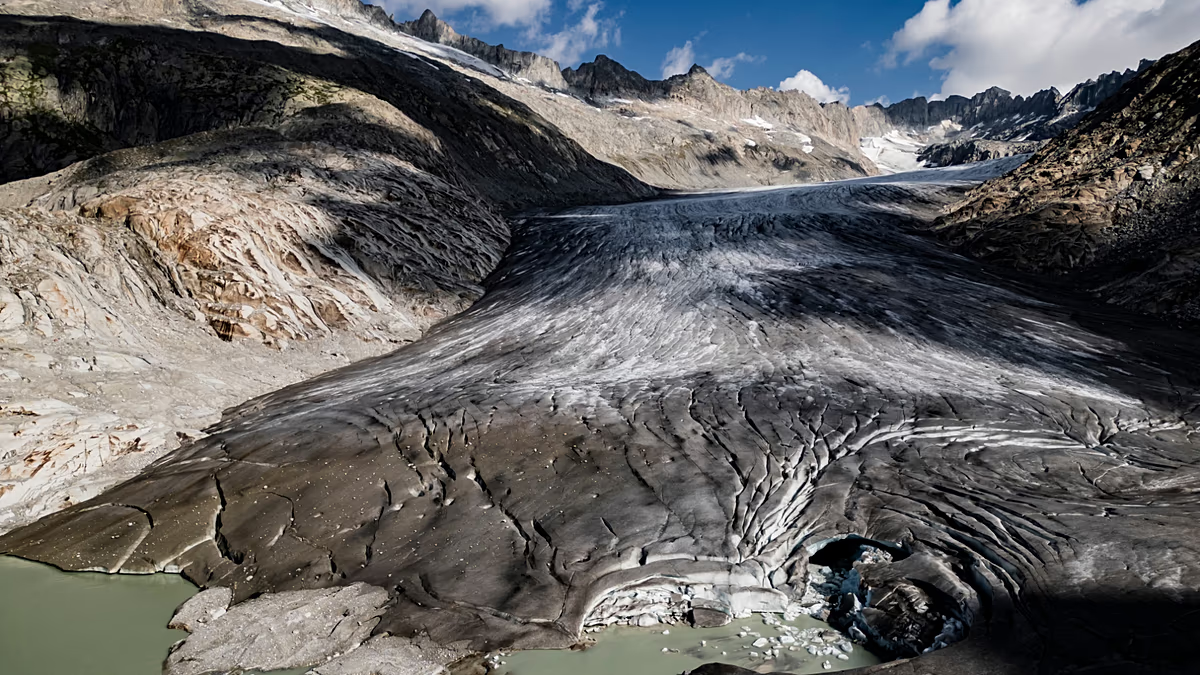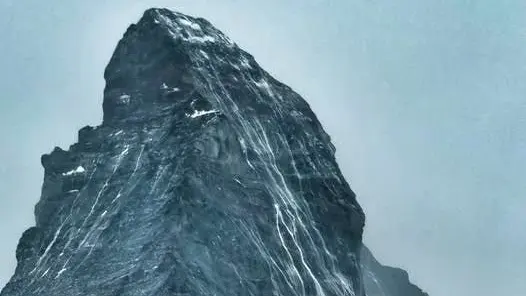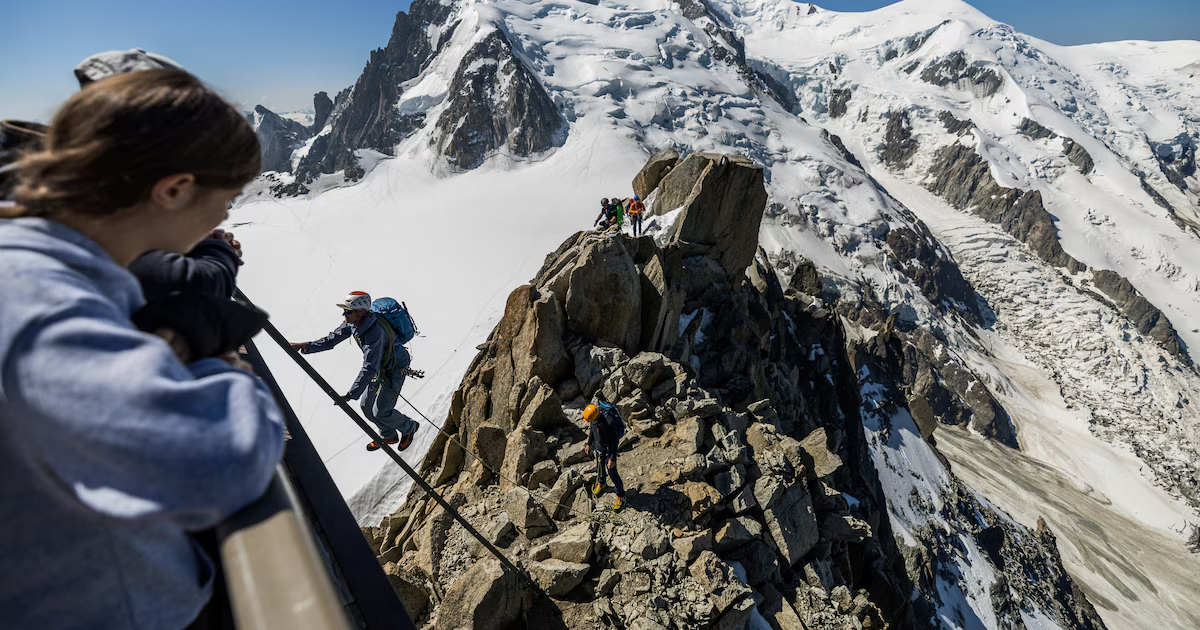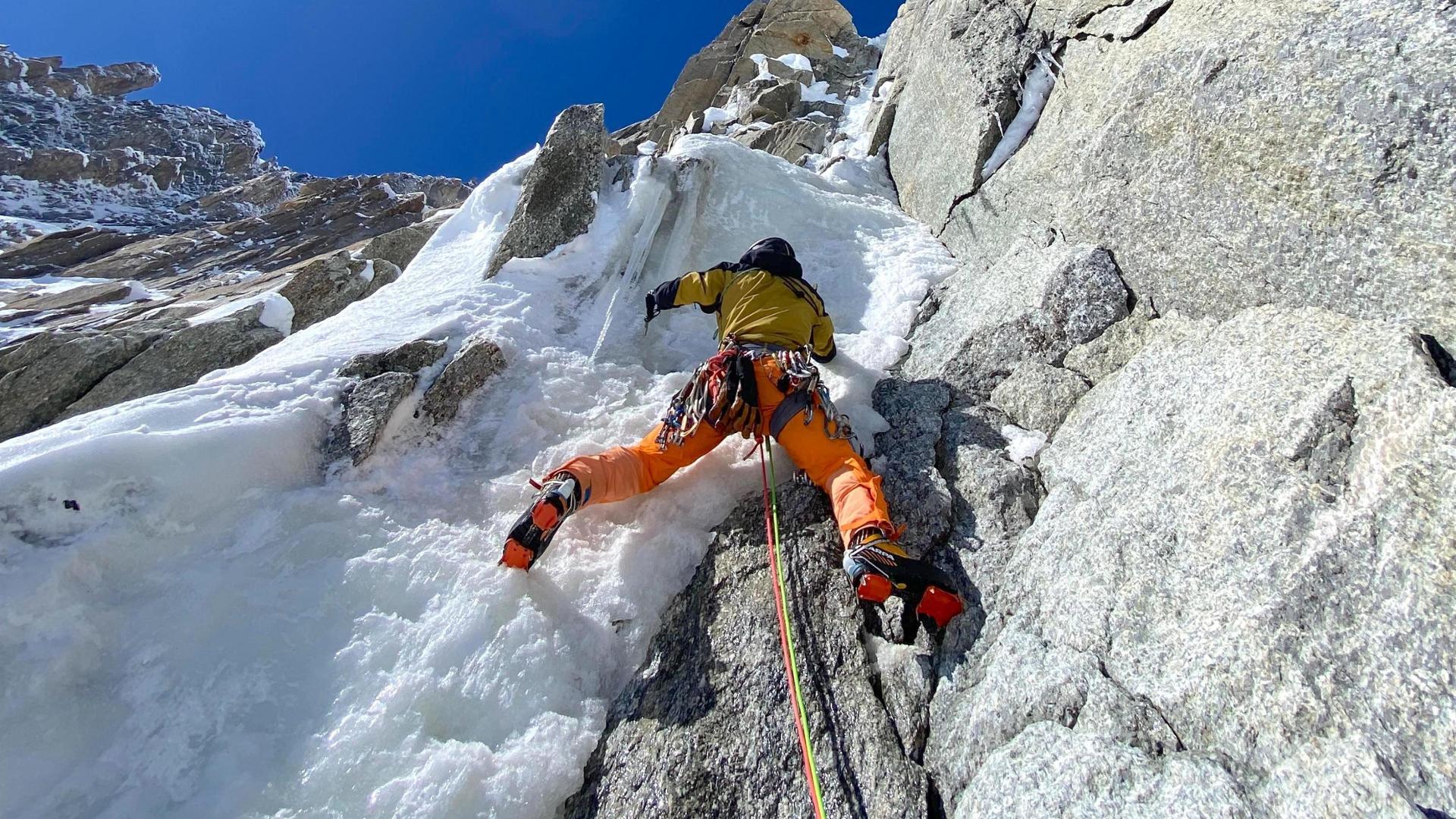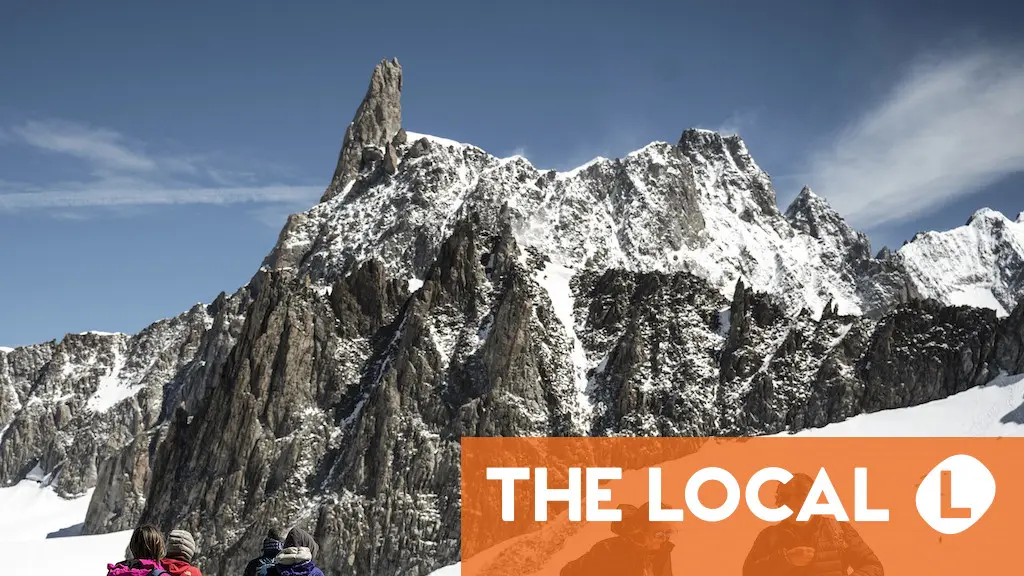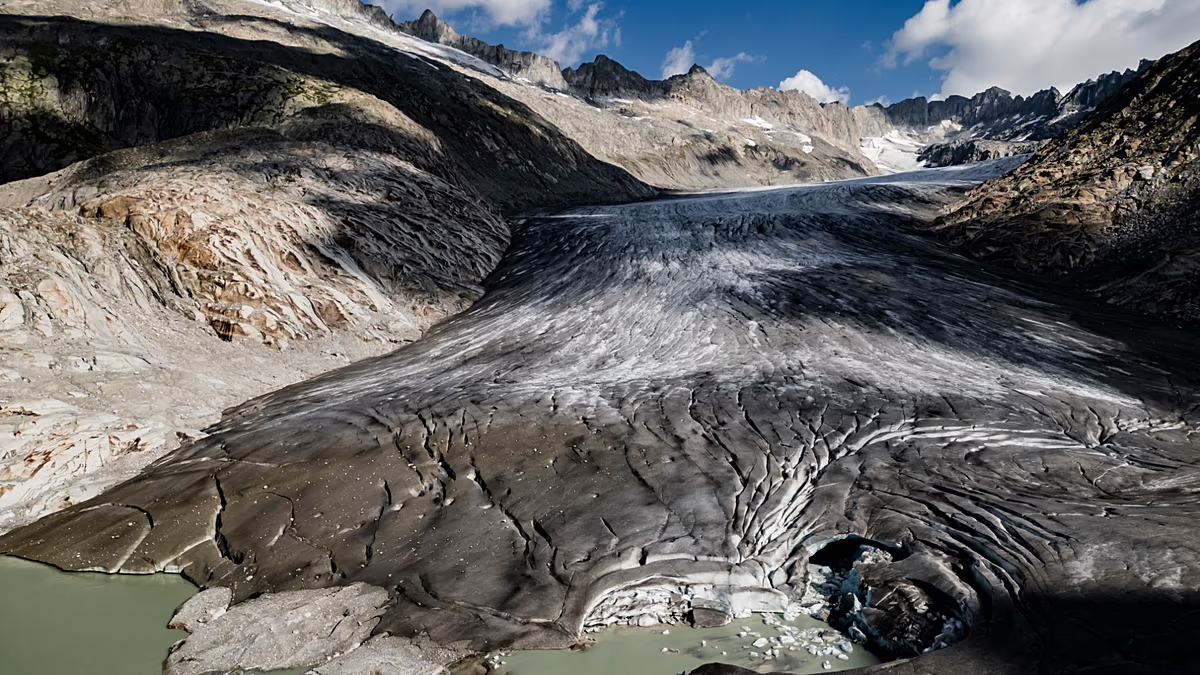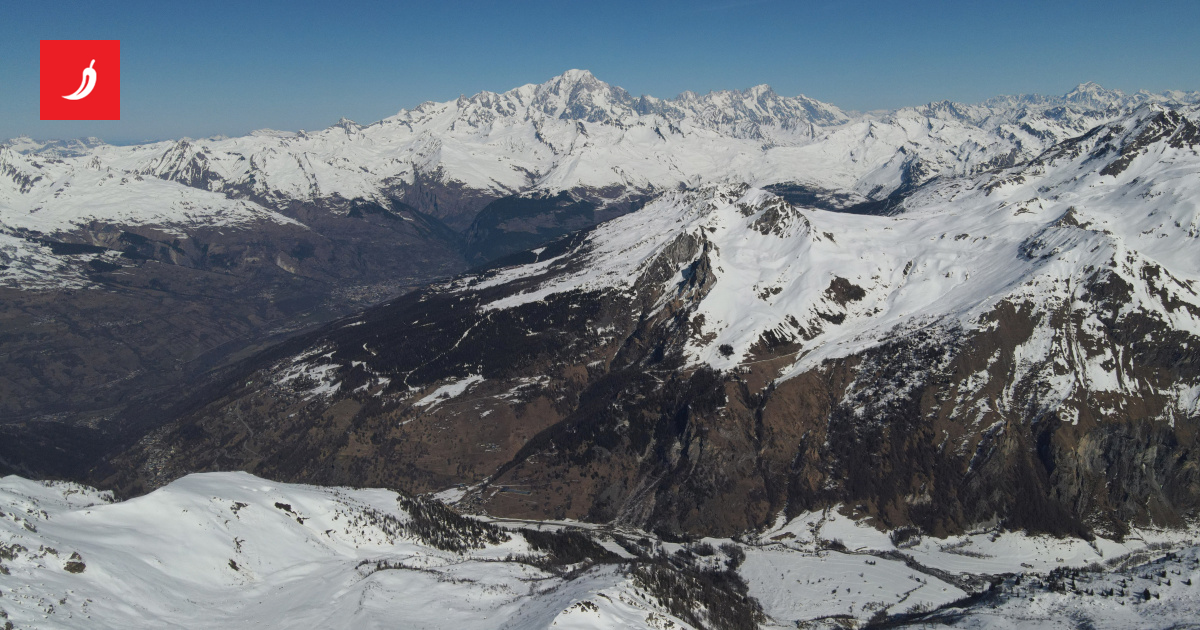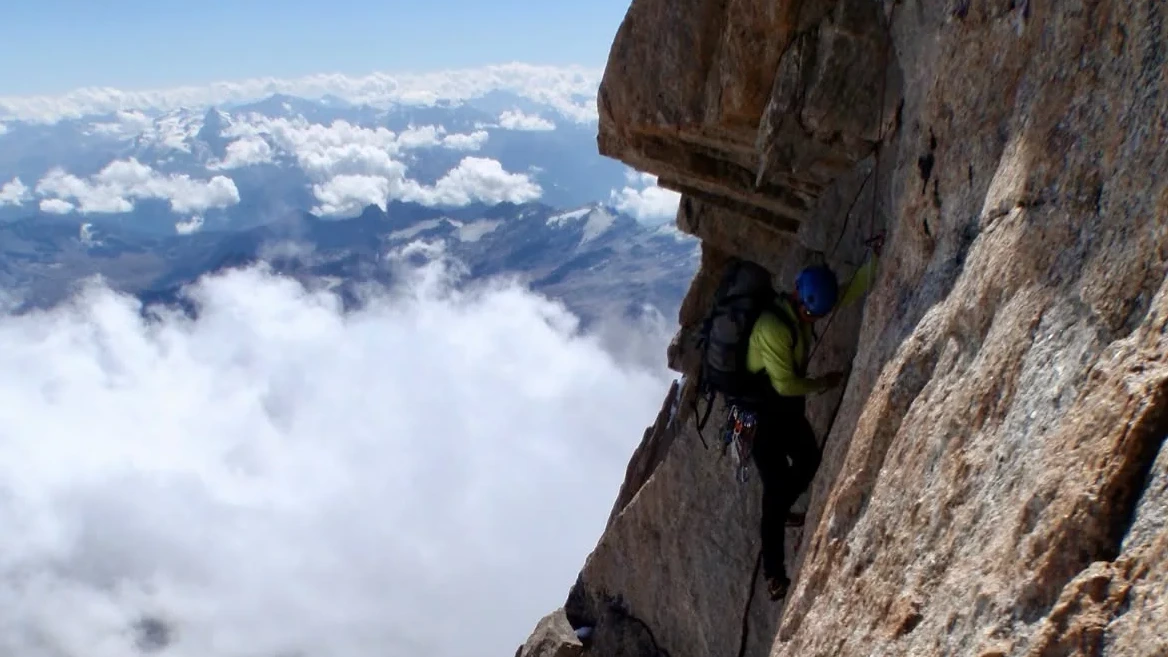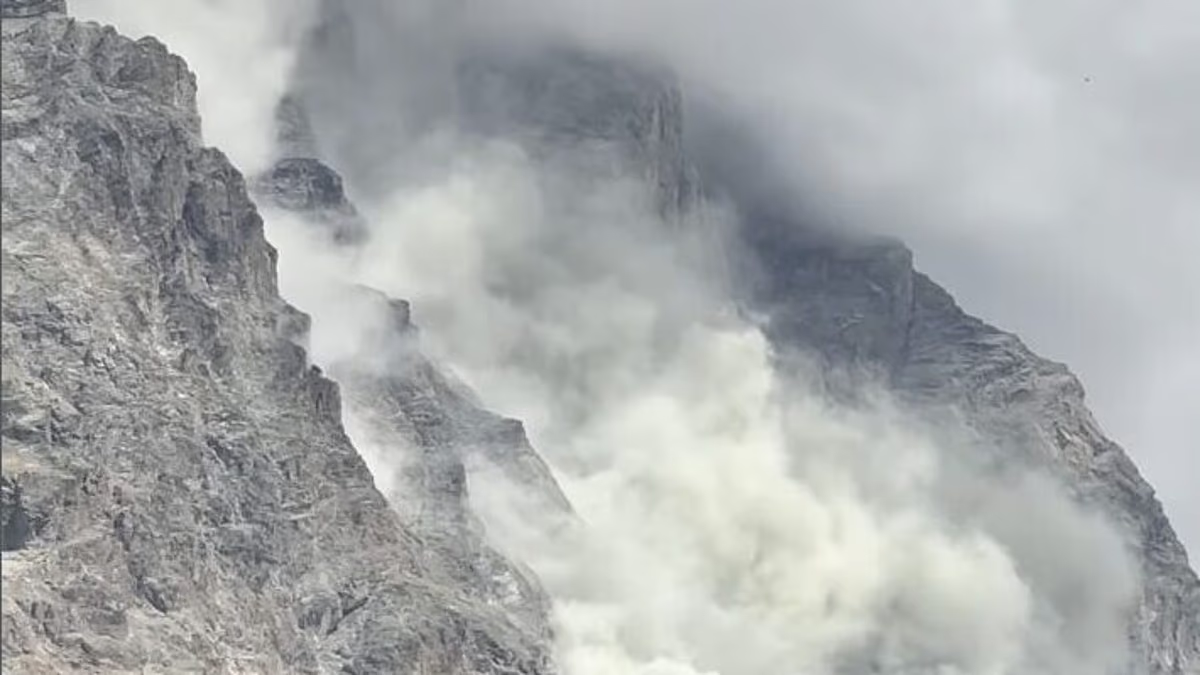
Europe's scorching summer has created a deadly risk for climbers in the Alps.According to scientists, the exceptionally hot weather has triggered a record number of rockfalls.Extremely popular climbing routes such as Mont Blanc, the tallest mountain in the Alps, and the Matterhorn have been the worst hit.With three climbers already killed on Mont Blanc and the climbing season barely underway, local authorities have ordered lodges on the most common route up the mountain to close.According to a new analysis, the number of rockfalls in the Mont Blanc massif alone is now expected to reach 450 this year.The previous record for Mont Blanc stood at 300 rockfalls in a year, and was set in 2022 when a severe heatwave hit the Alps.Dr Ludovic Ravanel, of the French National Centre for Scientific Research, says: 'That is an absolutely staggering figure, given that just 10 or 20 years ago, there were only a few dozen.'A large majority [of the rockfalls] can be attributed to the climate crisis.' Europe's scorching summer has created a deadly risk for climbers in the Alps. Pictured: Recent rockfall on the Matterhorn Scientists warn that the Alps are facing a record outbreak of rockfalls amid scorching temperatures, with Mont Blanc (pictured) worst affected The Alps and Europe more widely are currently in the grip of a severe heatwave that has seen temperature records broken across the continent.Switzerland's Basel–Binningen region recorded the hottest temperature ever measured in the northern Alps, hitting 39.7°C (103.5°F).Meanwhile, in the popular French climbing region of Chamonix, temperatures have regularly climbed above 30ºC (86°F).This has a critical impact on something known as the 'zero–degree isotherm' – the altitude above which the temperature drops below 0°C (32°F).Normally found between 11,480 and 13,120ft (3,500–4,000m) during summer, this boundary was pushed 4,600ft (1,400m) higher than normal in some parts of the Alps during July.Combined with exceptional levels of drought, this has meant the Alps' mountainous rock faces are at their least stable point on record.Dr Ravanel says that 'invisible' ice has been lodged in the cracks between rocks for several thousand years, where it 'acts as a kind of cement holding the mountains together'.As temperatures rise above zero, this permafrost melts and releases the rocks. The number of rockfalls in the Mont Blanc massif is expected to hit 450 this year, breaking the record of 300 set in 2022. Pictured: Dangerous rockfalls on Mont Blanc last week Hot temperatures caused by climate change have pushed up the altitude above which the temperature drops below 0°C (32°F), destabilising frozen rock faces Why are the Alps crumbling? 'Invisible' ice has been lodged in the cracks between rocks for several thousand years, where it 'acts as a kind of cement holding the mountains together'.As temperatures rise above zero, this permafrost melts and releases the rocks.At the same time, high temperatures cause glaciers to retreat and lose thickness, removing the stabilising pressure that had held the rock wall in place. At the same time, high temperatures cause glaciers to retreat and lose thickness, removing the stabilising pressure that had held the rock wall in place.This has culminated in a record–breaking season of rock fall all across the Alps, with popular mountains like Mont Blanc and the Matterhorn particularly badly affected.In July, two Czech climbers were killed in rock fall on Mont Blanc while crossing the notorious Couloir de Gouter, also known as the 'Death Couloir'.Between 1990 and 2017, the couloir was the scene of 347 rescues, including 102 fatalities and 230 injuries.The Czech team attempted to cross this section before dawn while the rocks were more stable, but conditions are currently so bad that even these precautions were not enough.Another climber, a 31–year–old man, was also killed by rockfall in August while climbing in the Mont Blanc area.Last week, Jean–Marc Peillex, mayor of the Saint Gervais district that governs the French side of Mont Blanc, ordered the closure of two popular mountain huts on the most common route to the summit.With the climbing season key to the local tourist economy, this is an extreme measure that hasn't been taken since the 2022 summer heatwave. Local authorities have been forced to close two mountain huts along popular routes up Mont Blanc after rockfalls killed three climbers in less than a month. Pictured: The Gouter Hut on Mont Blanc Mr Peillex told Explorers Web: 'It is up to all climbers, whether accompanied by guides or not, to fully grasp the gravity of the situation and abandon their climbing plans for the duration of this crisis.'Climbing Mont Blanc is not a challenge or a feat of daring, and it is not worth risking the lives of climbers and rescuers out of pride.'However, even if conditions cool later in the season, this summer's extreme heat is likely to make climbing treacherous for the rest of the year.Dr Ravanel says: 'Even if the surface freezes over again, the enormous amount of heat from the summer of 2026 will continue to penetrate the ground until November, December, or even as late as January.'He predicts that the 'biggest rockfalls' are expected in autumn, but that these will be less frequent.Despite this, Dr Ravanel does not believe that access to the high mountain regions of the Alps should be restricted, describing them as 'above all, a place of freedom'.He adds: 'The mountaineering community regulates itself [and] does not put itself at greater risk during a heat wave than during a cooler summer.'
The Alps are crumbling: Scorching summer triggers record rockfalls
This summer's warm weather might seem like a blessing for outdoor enthusiasts, but the scorching weather has created a deadly risk for climbers in the Alps.
901 words~4 min read