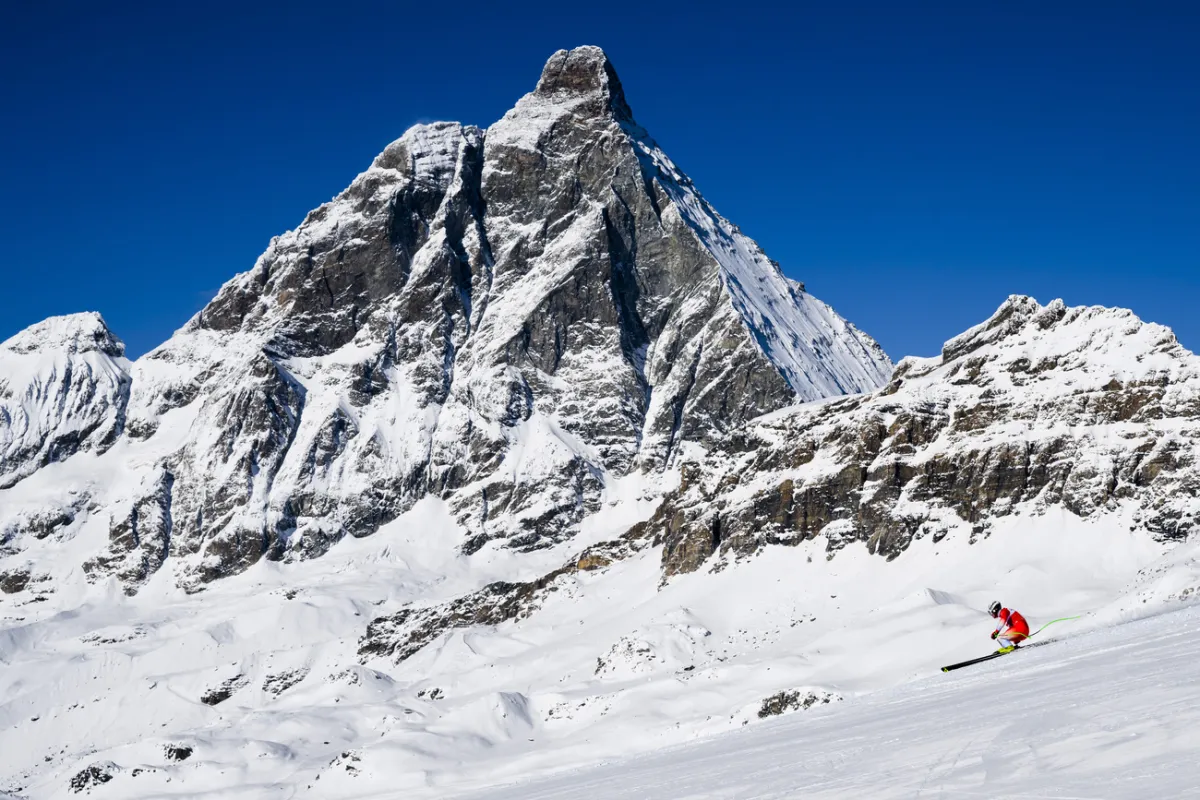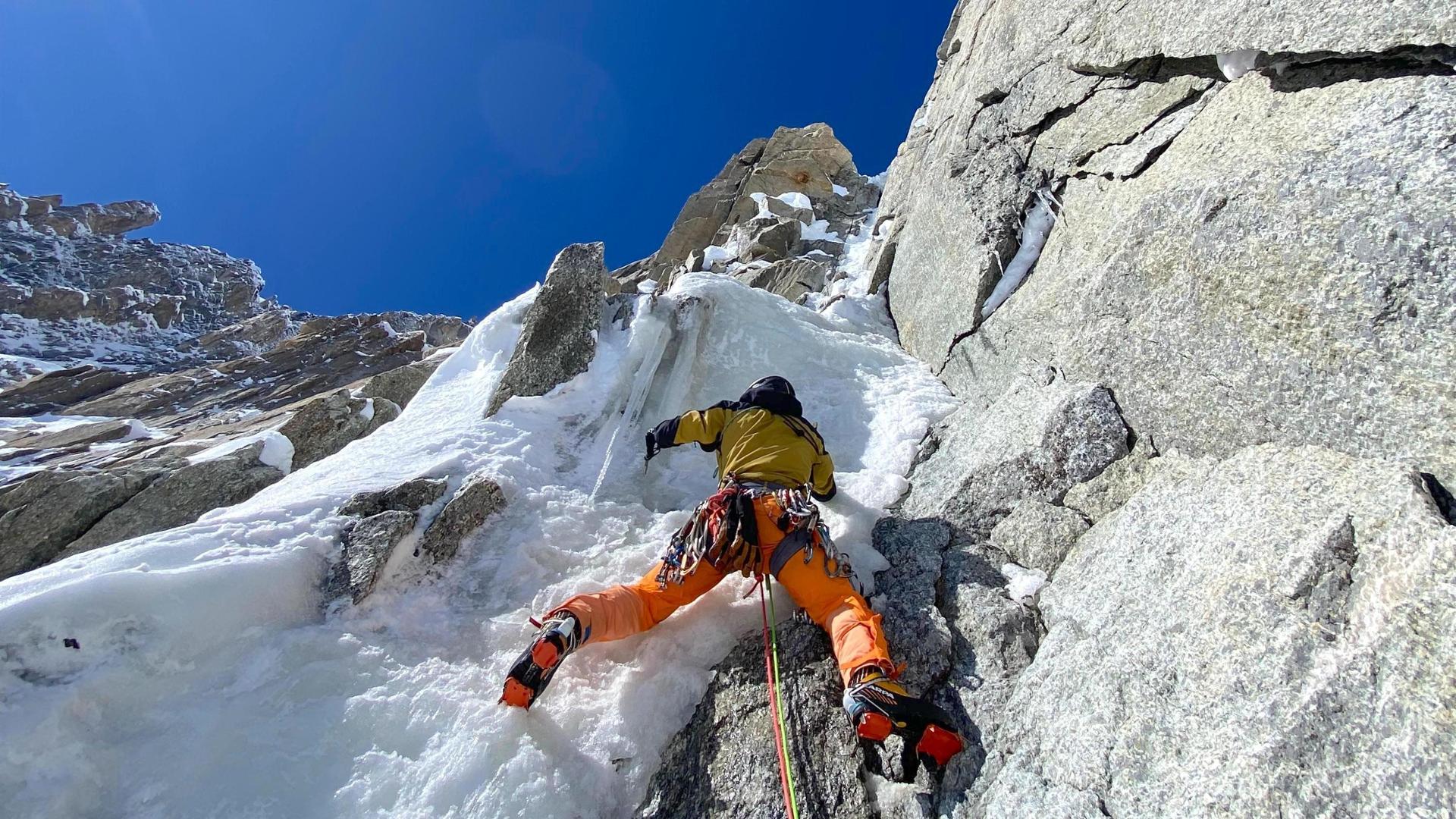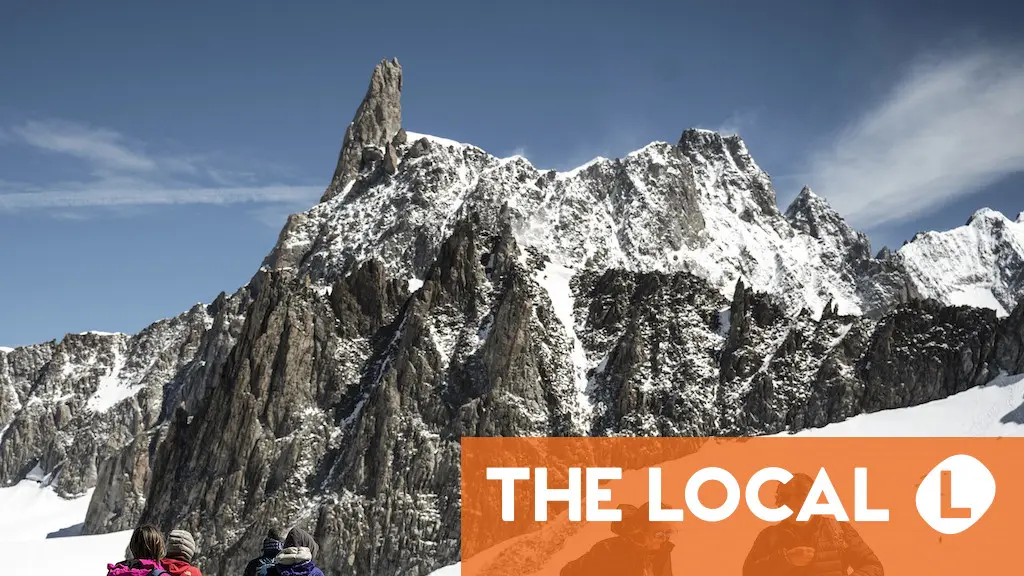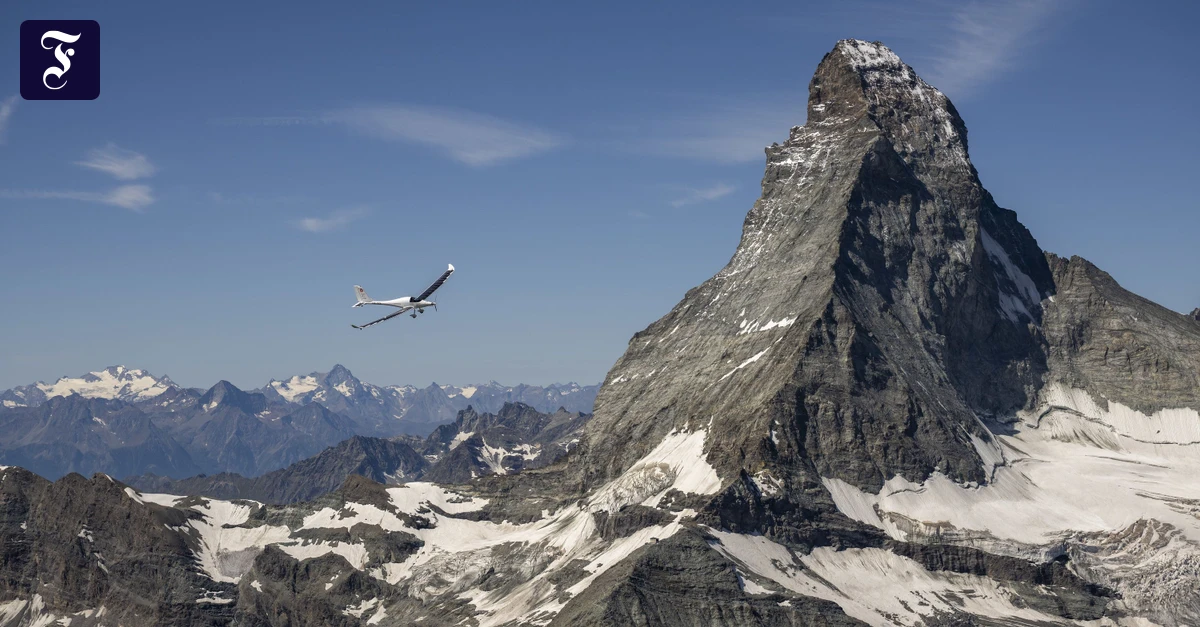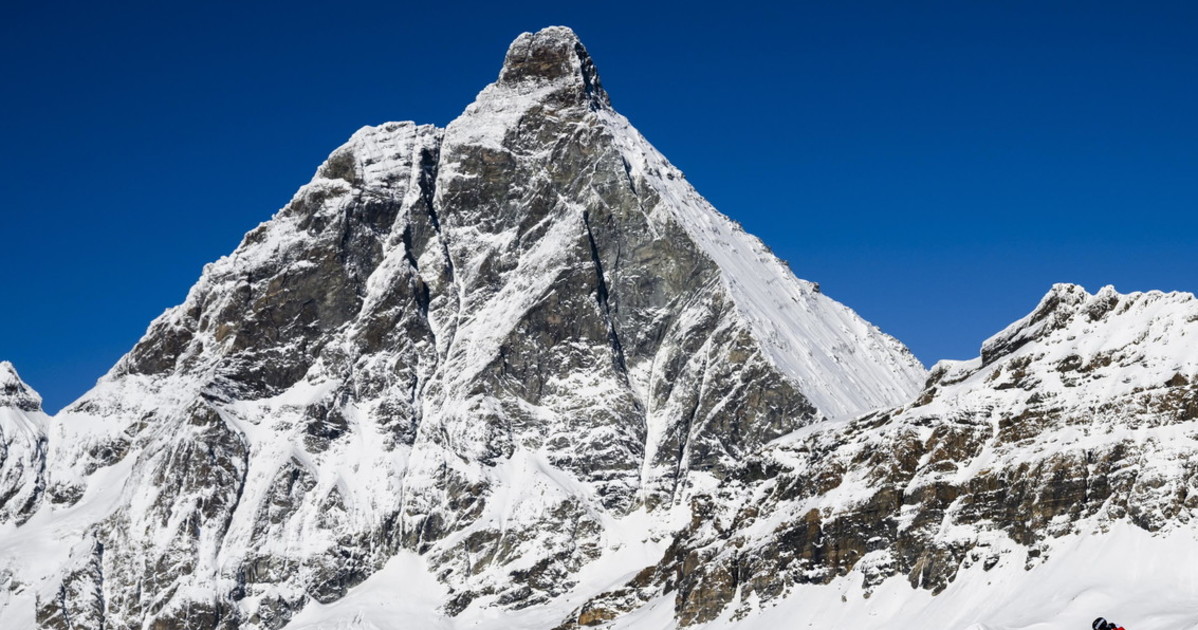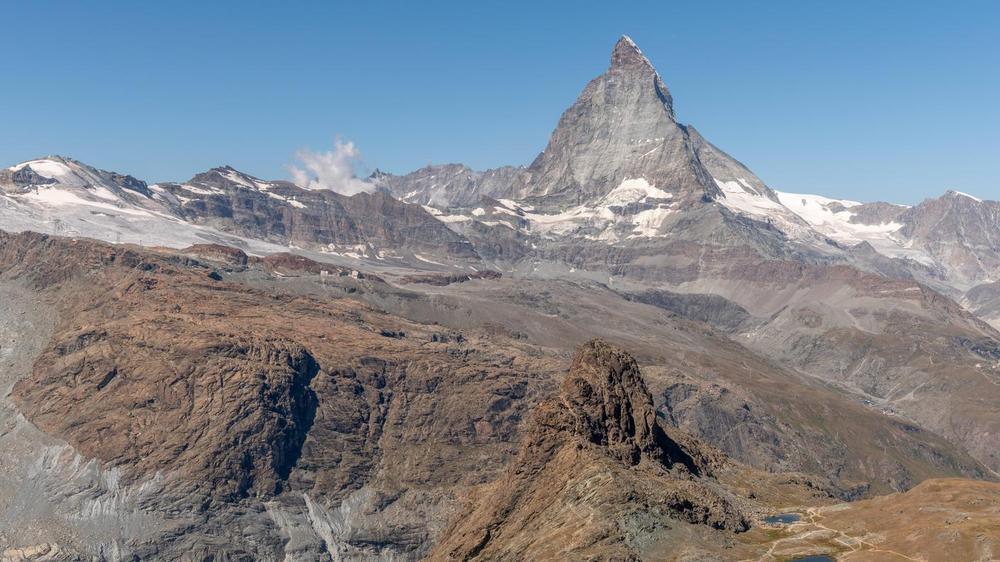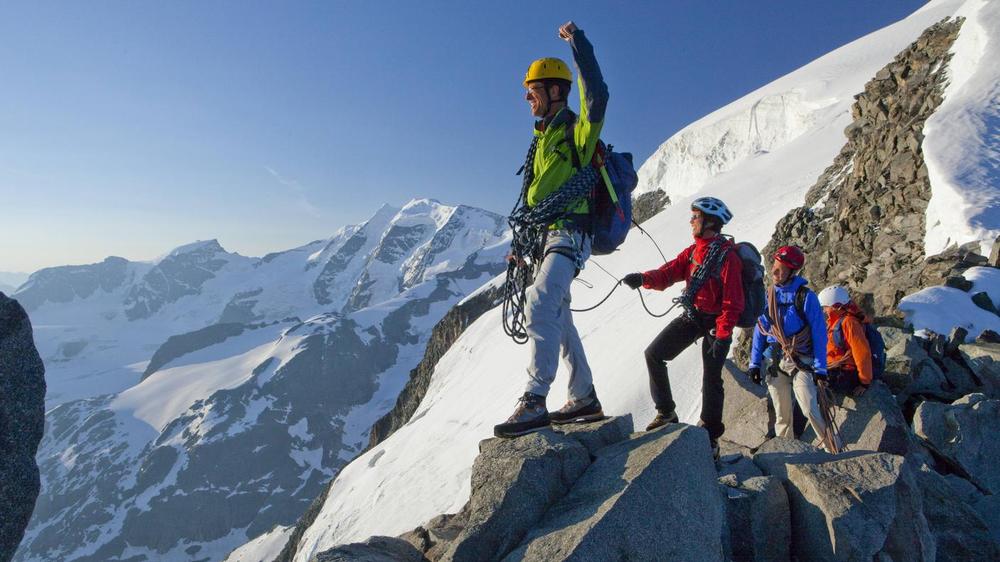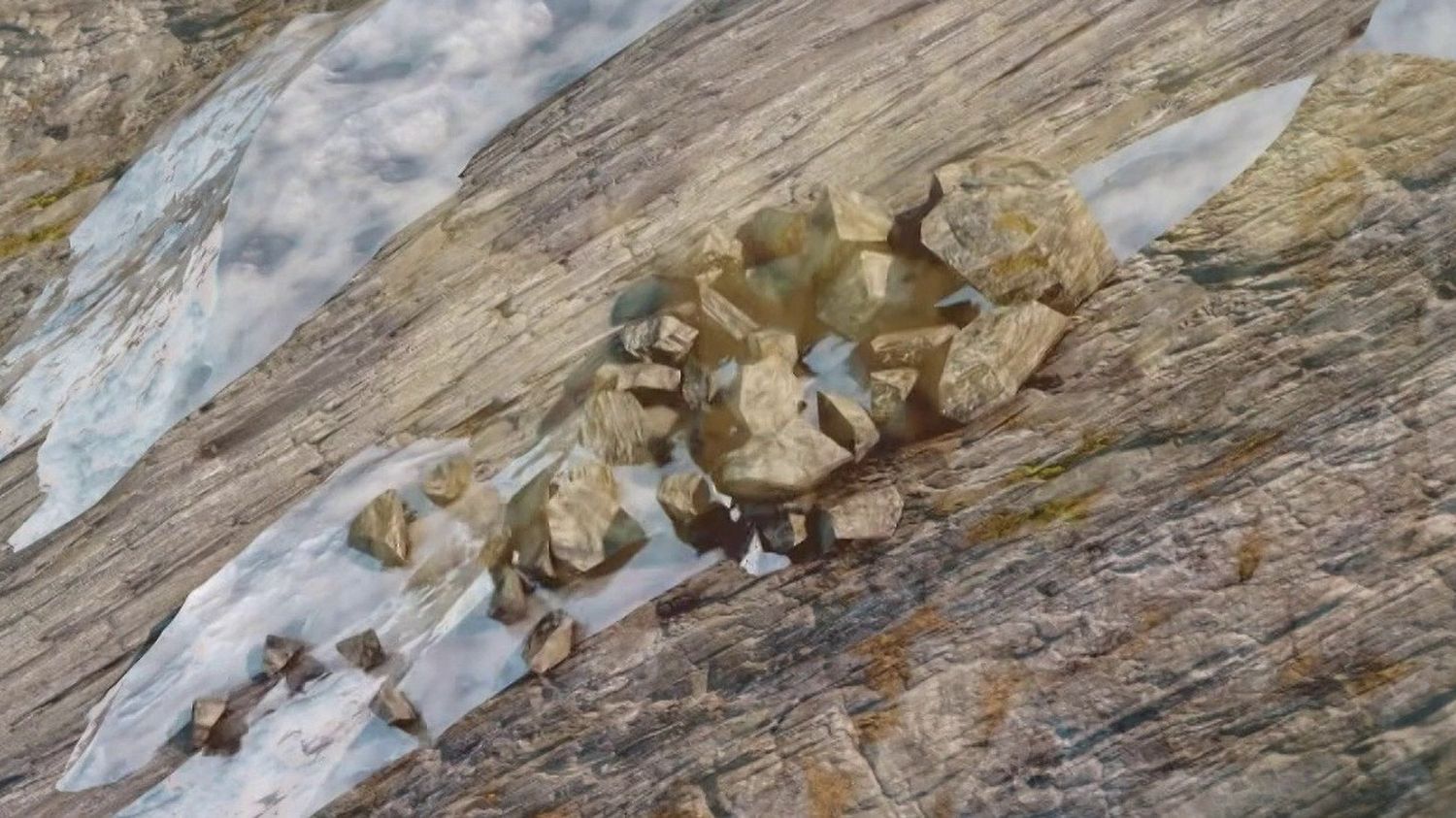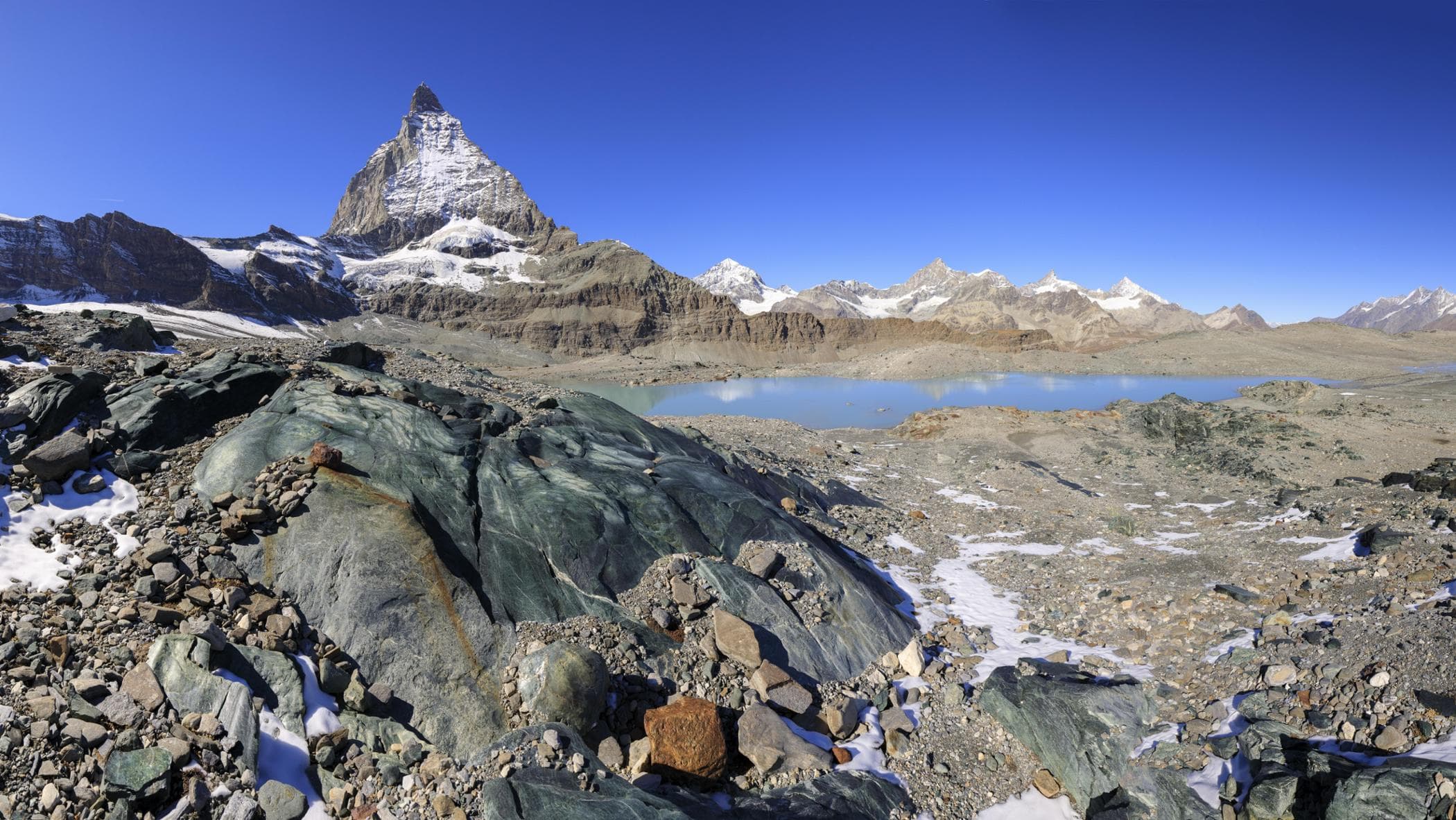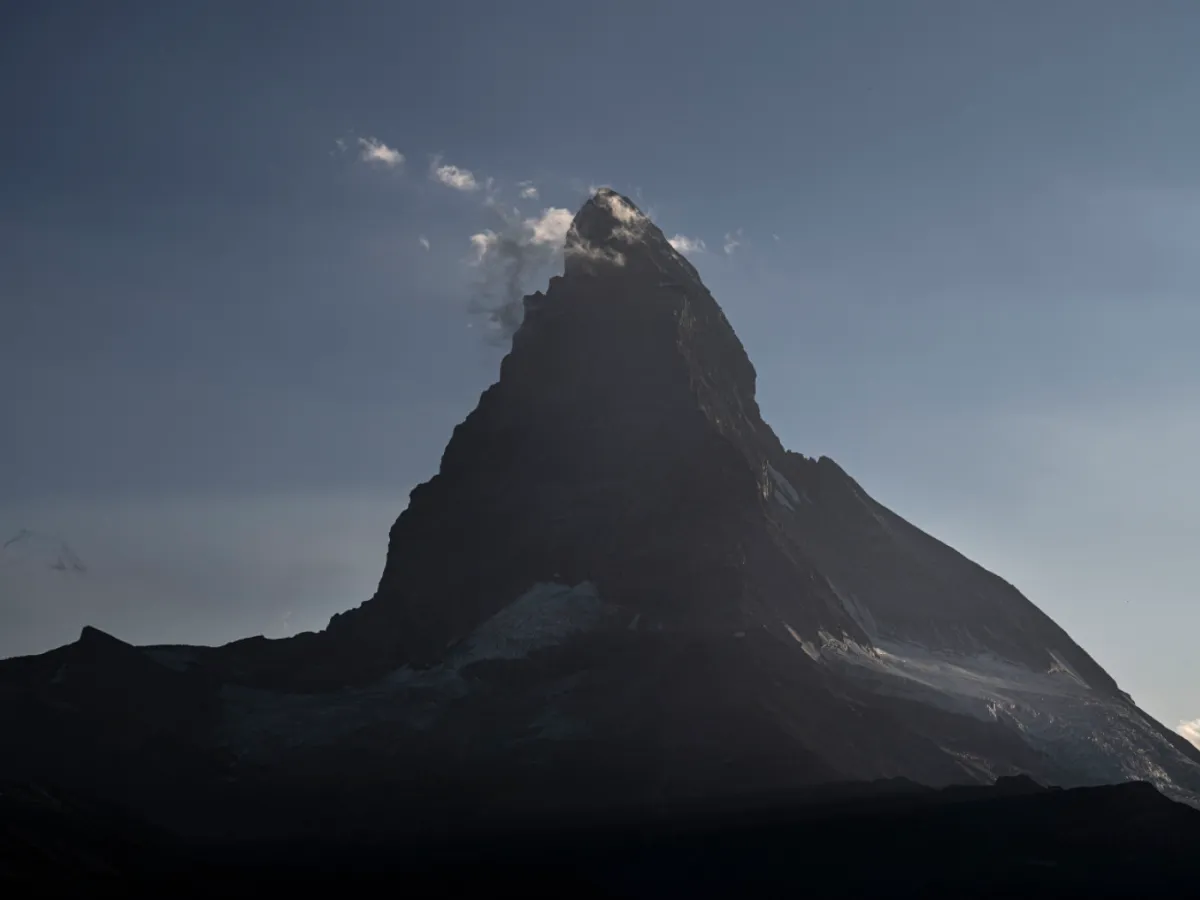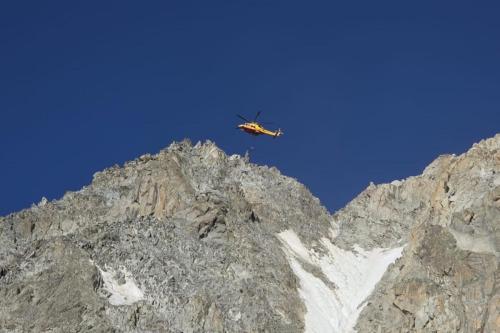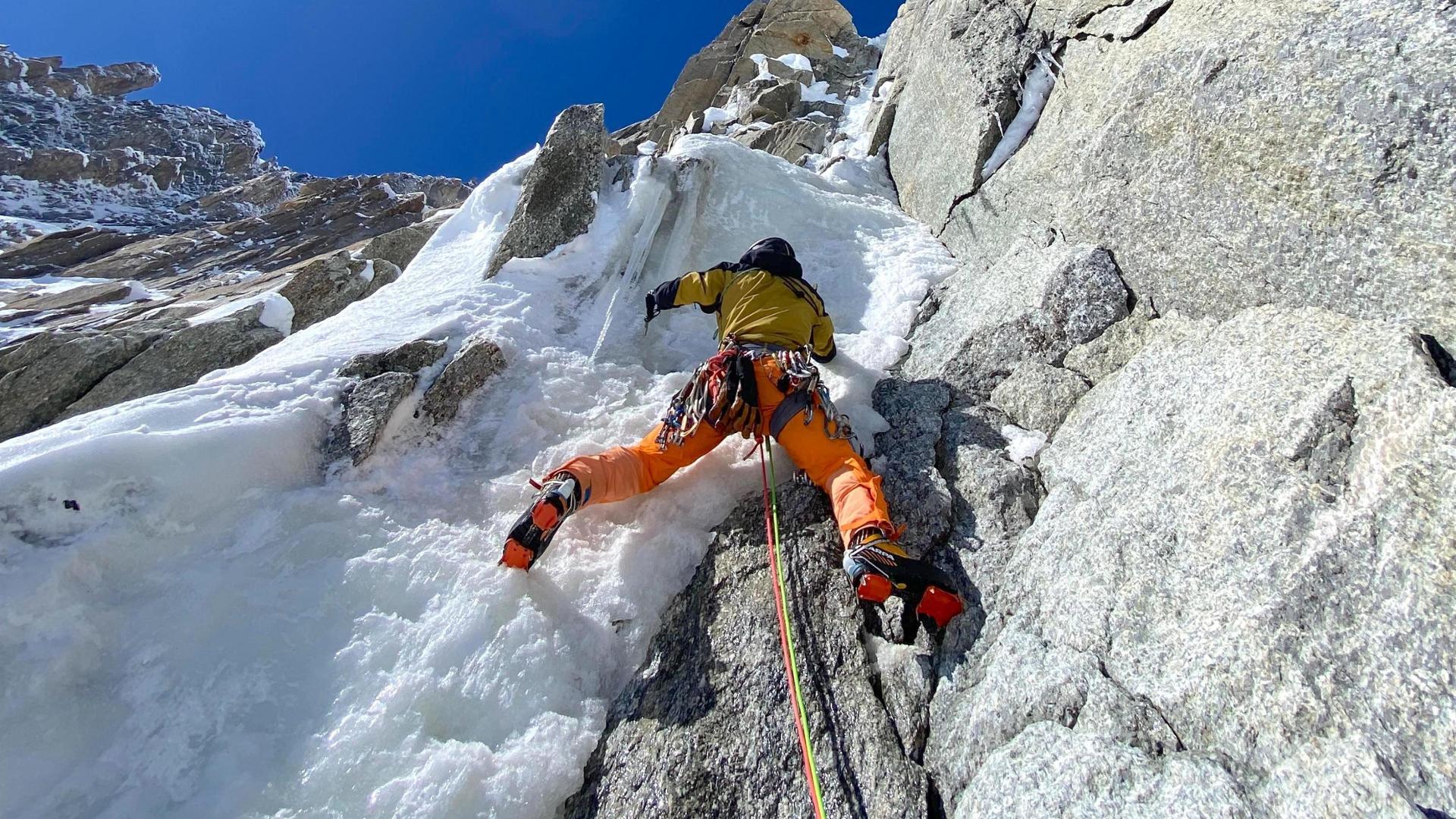
What little ice remains at the 4,478-meter summit of the Matterhorn seems to melt the moment you look at it. On Sunday, the freezing level was right there; on Monday and Tuesday it had dropped 50 and 70 meters lower. That iconic mountain has a fever—one so intense it has penetrated its rocky heart. And the mountain guides of Zermatt, on the Swiss side of the peak, have told their clients to stop: «We’re not going up this way anymore. Not with us». On Sunday, two climbers fell from an altitude of 4,030 meters, victims of crumbling, unstable rock. Two weeks ago, the Matterhorn looked like a melting ice cream cone, with waterfalls pouring down as snow disappeared above 4,000 meters—an unprecedented sight. Now thunderstorms are no longer feeding torrents through the dark gullies of the North Face, but the sun is baking the rock, causing scree to slide. As a result, the guides of Zermatt have decided that the Hörnli Ridge—the normal route, first climbed in 1865 by Sir Edward Whymper—is no longer to be attempted. The risks are simply too great. But the Matterhorn is not the only four-thousand-meter peak suffering in this corner of northwestern Italy. Mont Blanc, on the French border, and the Dent d’Hérens, on the Swiss frontier, are also under strain. Ezio Marlier, president of the Aosta Valley Alpine Guides Association, explains: «There is no official ban, let that be clear. But we mountain guides have decided that both the Italian normal route on Mont Blanc, via the Miage Glacier, and the Tiefenmatten Ridge on the Dent d’Hérens are routes we will no longer offer to our clients. The conditions simply aren’t there. All the other routes on the Mont Blanc massif, however, remain accessible» In Cervinia, the president of the local mountain guides, Laurent Nicoletta, explains what is happening on the summit of the Gran Becca — the great monolith known on the Swiss side as the Matterhorn. «There are far fewer fixed ropes on the Hörnli Ridge than on our normal route, and because of the heat they are now in a precarious condition. Beyond the Shoulder, high up, some of the ropes cross unstable scree, and climbers also have to move onto the colder side, the North Face. That’s where instability is greatest, because until recently those rocks were held together by permafrost and were partially covered by snow and ice even in summer. After so many days of abnormal temperatures, rocks are beginning to move. Everything is becoming unstable. Like our colleagues in Zermatt, we are avoiding the Swiss side». The guides’ warning The South Face overlooking Cervinia is exposed to the sun all day and has long been suffering from climate change. It may seem paradoxical, but for now it remains the safer option. Nicoletta continues: «For the time being, our guides are still taking clients to the summit of the Matterhorn, but we compare notes every day because the situation must be constantly monitored. Anyone attempting the Matterhorn today needs to do so with the utmost awareness. You have to know that you must climb while the face is still in the shade. Whereas the Swiss Hörnli Ridge faces east, our Lion Ridge stays out of the sun for much longer in the morning. But that means starting from the Carrel Hut at 3,800 meters and returning from the summit as early as possible». There are no longer any patches of snow left on the Matterhorn, and the legendary “sheet”—the rectangle of permanent snow high on the face—has almost completely disappeared. And another glacial “sheet,” the one covering the most popular route on the Dent d’Hérens (4,171 meters), in the upper Valpelline, less than a kilometer from the Matterhorn, is no longer passable. The glacier that once formed a solid carpet leading toward the summit has lost its final section, triggering a landslide. As the ice and snow retreated, they upset the mountain’s equilibrium, and rock that had previously been held in place gave way to gravity. For climbers, it has now become extremely difficult to enter the rocky notch of the Tiefenmatten Ridge before climbing up to the chain that once made that mauvais pas—the «bad step — more manageable. But the passage is now effectively closed, and, just a few meters away, a rock tower hangs precariously, threatening to collapse. The mountain guides of Valpelline have sounded the alarm. At the foot of Mont Blanc, in the Val Veny, the Miage Glacier is now largely covered by gray moraines. This is the route climbers take to reach the Gonella Hut, at 3,071 meters. Its unusual, futuristic architecture and gleaming walls stand out, but for several years now the retreat of the glaciers has made water supplies increasingly difficult for the hut’s managers. «We still have guests,” they say, “and there is still water in the tanks—but not for much longer». From this traditional gateway to the Roof of Europe, mountain guides are no longer setting off with clients. Crevasses have opened up, the risks are simply too high, and the condition of the Miage Glacier now forces climbers to take lengthy detours to avoid the danger of being swallowed by the ice. Davide Gonella, who managed the hut bearing his family name for many years and now welcomes guests at the entrance to Val Veny, says: «We are overwhelmed by emergencies». The thermometer seems to have gone mad. Yesterday, at an altitude of 3,000 meters, temperatures ranged from a low of 8°C to a high of 12°C. The freezing level climbed once again to 4,400 meters. From Cervinia, Laurent Nicoletta has one final warning for climbers: «Before deciding on an ascent, ask about the current conditions on the mountain face. Don’t venture out blindly».
The Suspended Summer of the Alpine Guides: “The Alps Are Crumbling. No More Climbs”
Ascents of the Matterhorn and Mont Blanc are being halted as mountain guides refuse to lead clients: «The risks are simply too great»
958 words~4 min read