South Africa’s wire industry is struggling to sustain itself amid the circumvention of import duties, including through the misdeclaration of imported products – often at values below the cost of the raw materials used in the production process – and inadequate enforcement of import tariffs.
If sufficient local protection can be ensured against countries that support their manufacturing sectors through export incentives, import taxes are correctly applied and demand in the wire industry could be stimulated, the 50% underutilised manufacturing capacity available in the local industry could be used, says South African Wire Association (SAWA) chairperson Braam Botha.
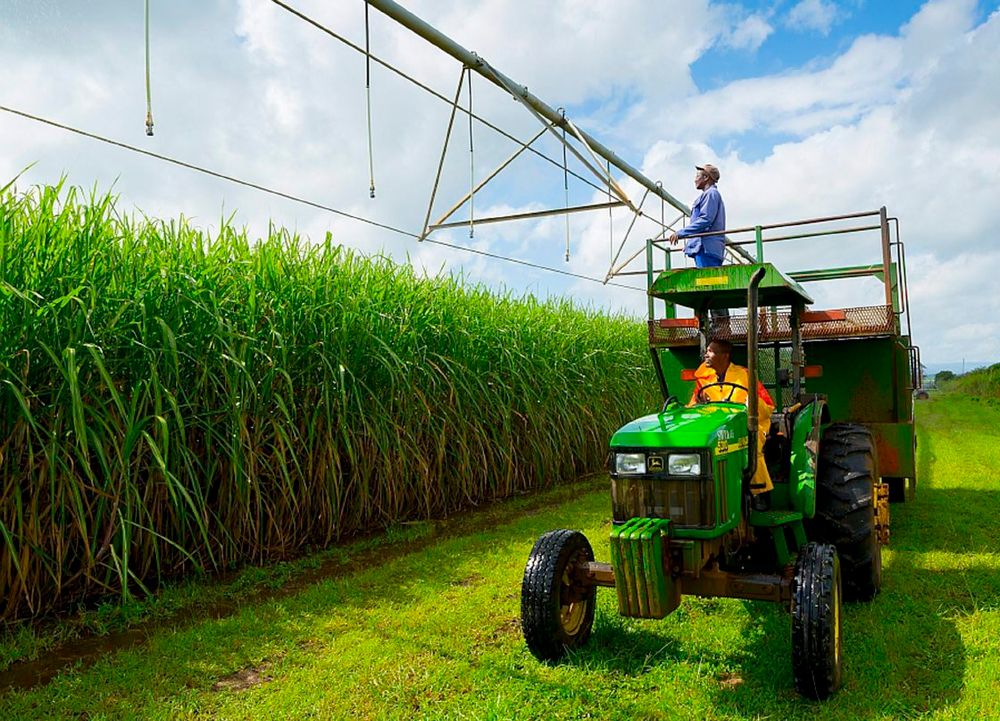
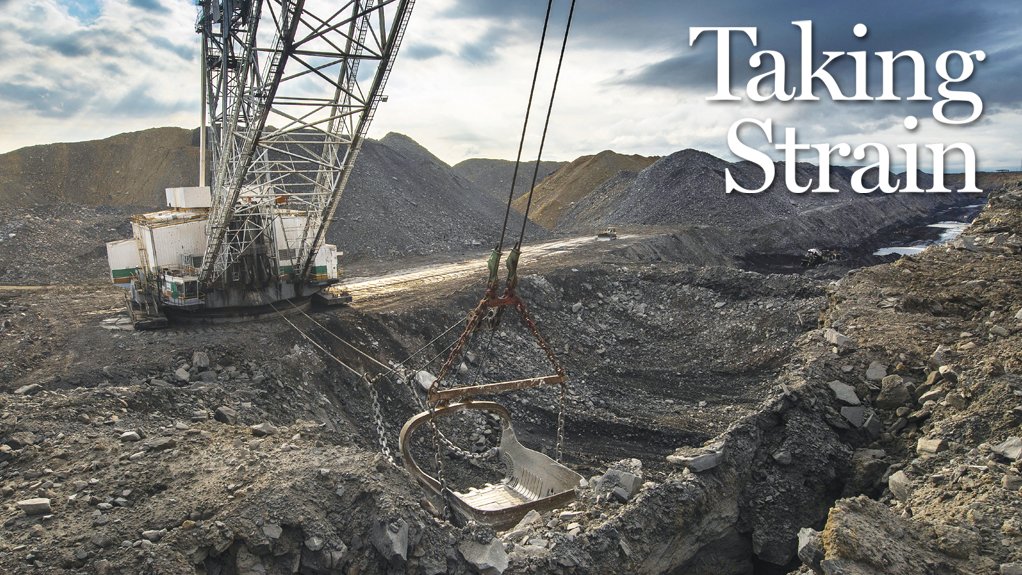
Wires and wire-rod products are used in a wide range of downstream sectors such as construction, mining, manufacturing, automotive, agriculture, electricity, water and renewable energy.
Imports are a real threat to the industry, but the inverse is also true. If the local economy was booming and there was enough infrastructure development and demand locally, this would support the use of the underutilised wire manufacturing capacity, he says.
“If there were sufficient local demand, the discussions in the wire industry and the concerns about its sustainability would change. However, because local wire manufacturing companies are fighting just to survive, the conversation has focused on ensuring that regulatory institutions create a fair import environment, where imports can support local industry and not overtake it.”