Story audio is generated using AI
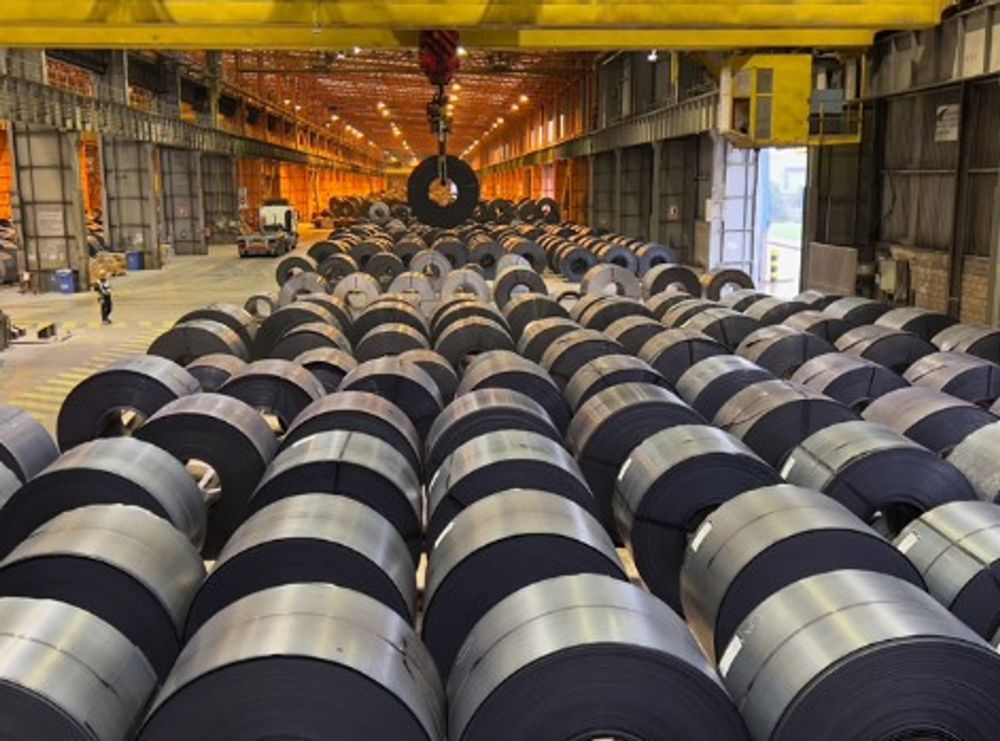
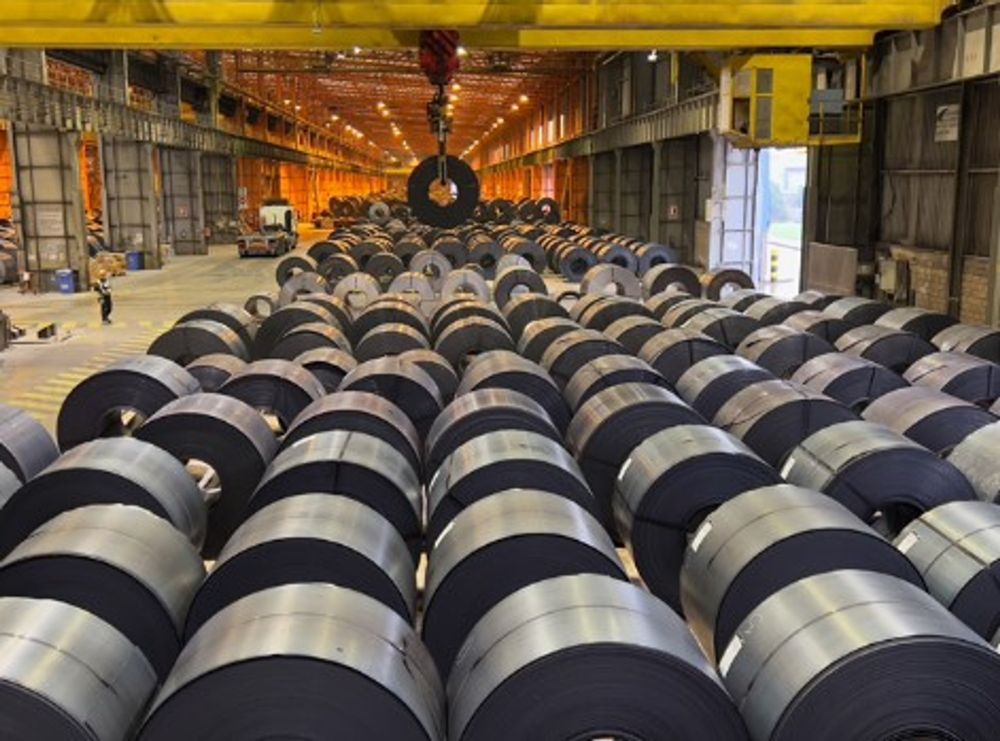
South Africa has told the World Trade Organisation (WTO) it has launched a safeguard investigation into imports of certain cold-rolled products of iron and steel, widening a campaign of trade protection for a domestic steel industry that has been shedding capacity and jobs for years.The WTO published the notification filed by South Africa on July 14, confirming that the International Trade Administration Commission (Itac) is investigating whether surging imports have caused, or threaten to cause, serious injury to local producers.The application was lodged by ArcelorMittal South Africa, which accounts for all production of the affected products in the Southern African Customs Union (Sacu). According to the filing, the company presented preliminary evidence that rising imports have contributed to falling sales volumes, shrinking market share and sustained losses.Itac said the domestic industry also cited persistent global steel overcapacity and weakening demand, which have redirected exports towards relatively open markets such as Sacu as major economies tighten trade barriers.The investigation comes as South Africa expands the use of trade remedies to protect its steel industry while facing growing scrutiny of its own import restrictions. In June, trade minister Parks Tau’s proposal to introduce compulsory pre-export safety verification for unregulated Chinese consumer goods was suspended after the WTO questioned whether the measures complied with its agreement on technical barriers to trade.“The injury analysis relates to information submitted by ArcelorMittal South Africa (Amsa), which represents 100% of the Sacu production of the like or directly competitive products and therefore constitutes a major proportion of the total domestic production. The applicant submitted prima facie evidence indicating that it is experiencing serious injury during the period of investigation, primarily in the form of a decline in sales volumes, decline in market share and decline in profitability, which further shifted to sustained losses,” the notice reads. “There is a persistent global oversupply and weak demand in cold-rolled steel. The persistent global oversupply of cold-rolled steel, exacerbated by continuing investments in cold-rolling capacity and weakening demand in major world markets, has resulted in significant excess production and export capacity that is being diverted to more open markets, such as Sacu. “Major global economies are imposing trade remedies and tariff barriers, restricting traditional cold-rolled steel exports. As a direct consequence, trade flows are being diverted towards more open markets with lower tariff protection, including Sacu.” A safeguard investigation is intended to determine whether increased imports of a product are causing, or threatening to cause, serious injury to a domestic industry.Read: Parks Tau casts lifeline to distressed industries amid jobs crisisA safeguard measure is one of the tools available to WTO members under the organisation’s Agreement on Safeguards. Unlike antidumping duties, which target imports from specific countries found to be sold below fair value, safeguard duties apply broadly to imports of a product from all trading partners, regardless of whether those imports were priced unfairly.To justify one, a government must show that imports of a product have increased sharply, that this increase stems from unforeseen developments, and that it is causing or threatening serious injury to the domestic industry making the same or directly competing product.Safeguard duties are meant to be temporary and to decline over time, giving the protected industry a defined window to restructure or become more competitive. Because they affect all suppliers rather than one country accused of a trade violation, they typically trigger a right to compensation for affected exporters, which can include retaliatory tariffs if none is offered.Itac opened its cold-rolled investigation on July 10, covering cold-reduced flat-rolled products supplied either in coils or cut to length. The commission has applied for a safeguard duty of 40%, which would apply to imports from nearly every trading partner, including countries in the EU with which South Africa has trade agreements. A separate antidumping investigation targeting Chinese producers of the same products is running in parallel and seeks duties as high as 119%. Interested parties have until July 30 to respond to the safeguard case.The new investigation extends a run of protective measures Itac has imposed or proposed for the steel sector this year. In May, the commission concluded its broadest tariff review in two decades, covering about R67bn of imports across more than 600 tariff lines, and raised duties toward South Africa’s WTO bound rates in response to a jump in Chinese import volumes. On June 12, Itac imposed a three-year safeguard duty starting at just more than 52% on corrosion-resistant steel coil after finding that a surge in imports had harmed producers, including ArcelorMittal South Africa and Safal Steel.The domestic industry’s difficulties predate this year’s measures. ArcelorMittal South Africa, the country’s largest flat steel producer, wound down its long steel business earlier in 2026, a move Itac’s May review linked to a decline in the industry’s competitiveness since duties were largely removed in 2005.The sector has lost about 25,000 jobs since 2009. Producers and the South African Iron and Steel Institute have blamed global steel overcapacity and low-priced Chinese exports, while downstream manufacturers and smaller engineering firms have warned that stacking safeguard and antidumping duties on the same products raises their costs and could cost jobs elsewhere in the value chain.