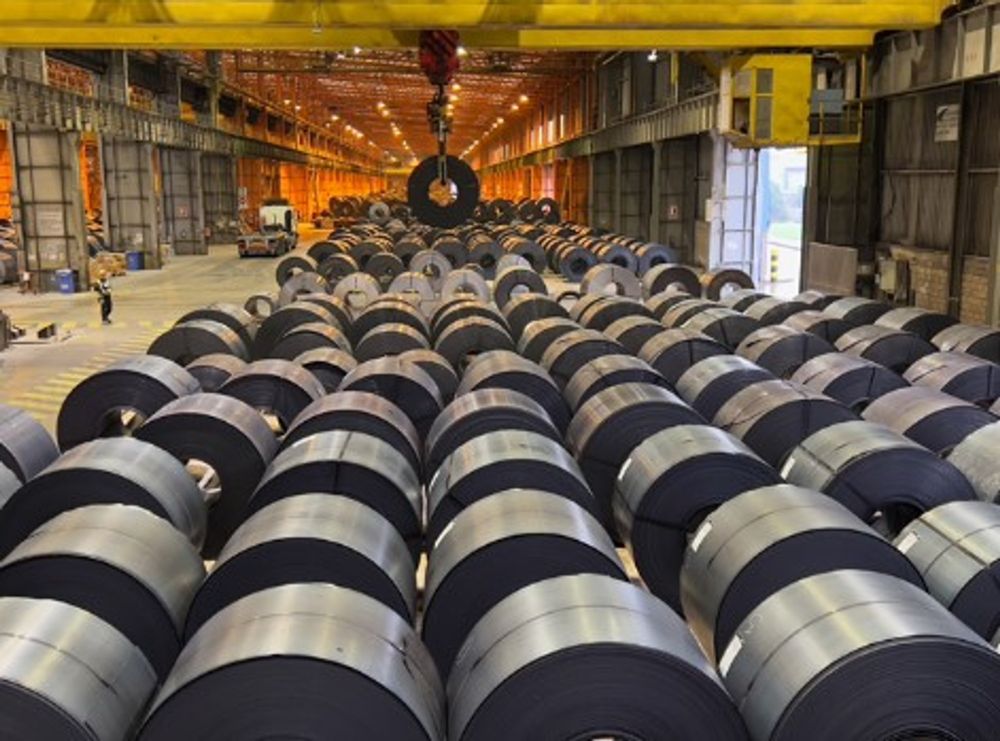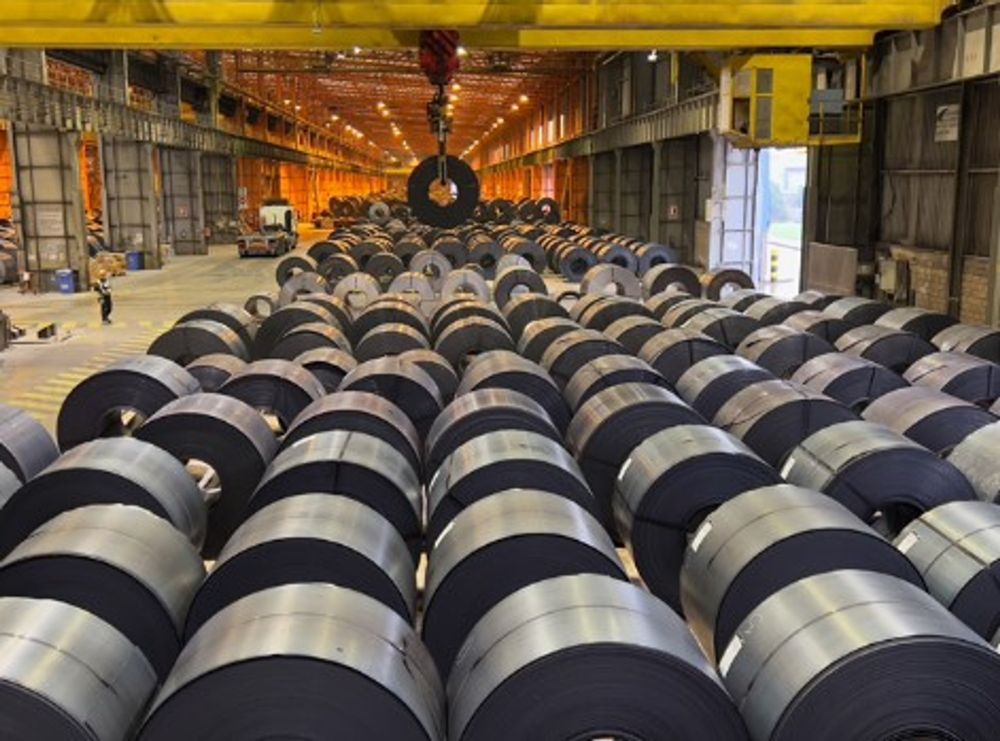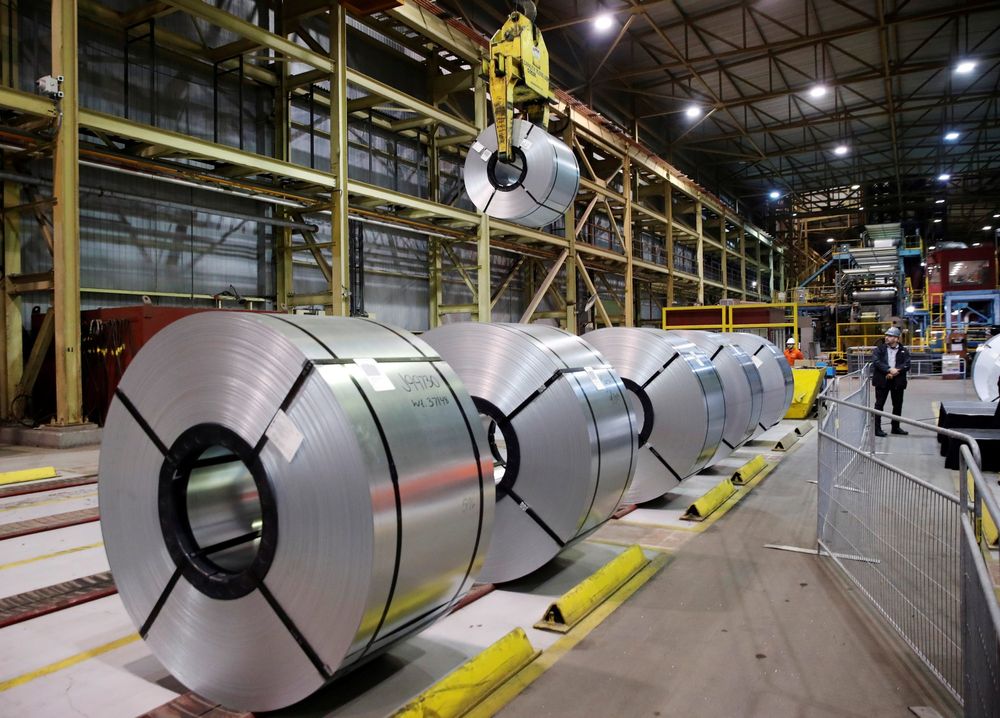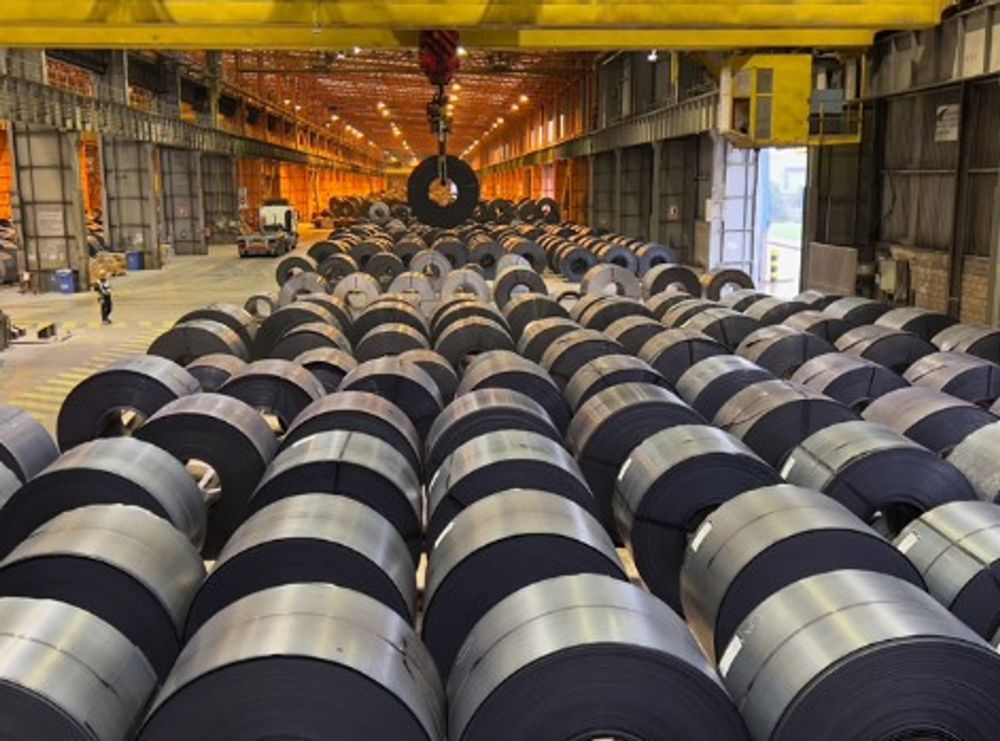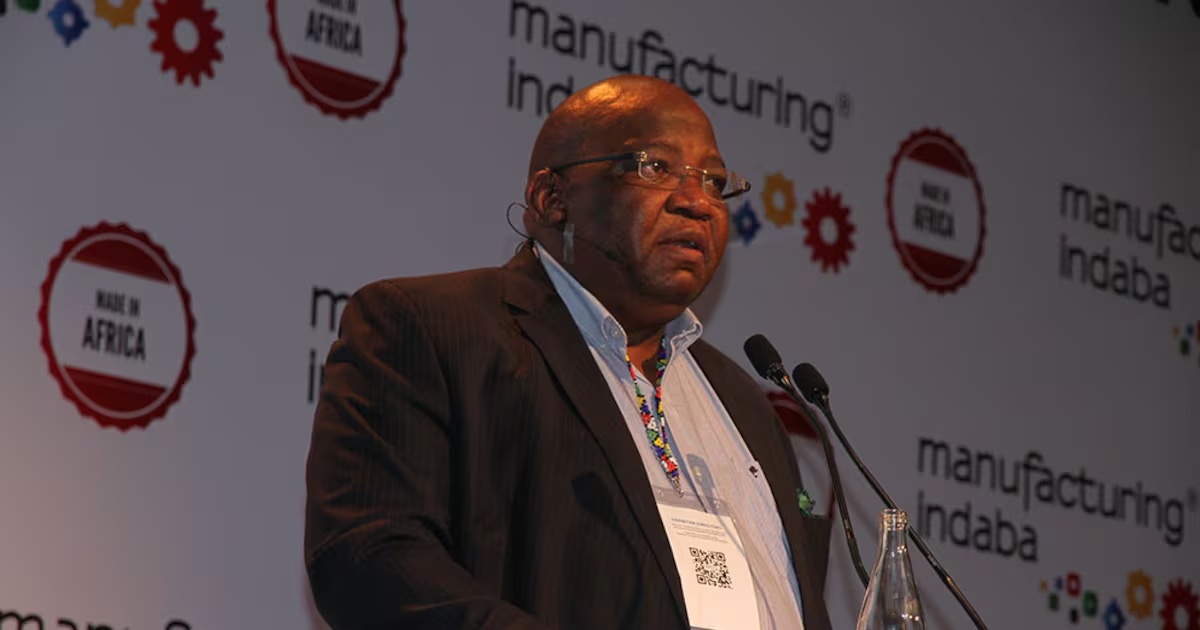
Despite the crisis facing the steel sector in South Africa, the department of trade, industry and competition (DTIC) has been faced with the difficult decision allowing an amount of steel imports to support the auto manufacturing sector.This is according to a delegation of the department, which briefed the parliamentary portfolio committee on trade, industry and competition about the steel sector master plan on Wednesday.The meeting comes amid a crisis in the global steel sector, which has been felt acutely at a local level. ArcelorMittal South Africa (Amsa) announced in November that it had stopped production at its Newcastle Works in KwaZulu-Natal for care maintenance.Acting DTIC deputy director-general of sectors, Tebogo Makube, said the Newcastle Amsa steel plant remains under care and maintenance. He said the department has temporarily allowed importation to support inputs into the auto sector. “We must deepen the production of those products and support the downstream industries … Given the placing of the Newcastle plant, we have worked with the auto industry in terms of some of the requirements of steel products, and we have temporarily allowed for the importation of those products so that we don’t jeopardise our programme in the auto industry where we also have a master plan,” he said.Makube said despite this urgent intervention to support the auto sector, it remains important for the department to support the local steel industry and limit reliance on steel imports.What we are facing is not only a South African problem but it’s also a global problem— Tebogo Makube, acting DTIC deputy director-general of sectorsOn imports, Makube said: “We are dealing with the International Trade Administration Commission of South Africa (Itac). We have been busy coming up with trade remedies aimed at dealing with cheap imports, but also protecting and supporting the local industry.”He said the department is responding to demand for green steel globally, particularly in the UK and the EU, where measures such as the Carbon Border Adjustment Mechanism (CBAM) are aimed at curbing the importation of carbon-intensive goods, including steel, into that market.“There is an excess supply of steel, as compared to the demand, which is relatively flat, particularly in this country. “And it’s not surprising in the main that there are measures, particularly in big markets such as the US and the EU, to protect their steel manufacturing industry through both tariff and non-tariff measures, mainly [against] the excess capacity driven by China and India. So what we are facing is not only a South African problem but it’s also a global problem.”Charles Dednam, general secretary of the South African Iron and Steel Institute, said the local steel industry remains in deep distress, with the crisis escalating since steel production dropped by 33% since 2018.“South African production dropped again in April, by 8%. Primary steel imports escalated in April to 38% of consumption. The average import price has dropped by 18%, putting the local industry under much pressure. South African exports dropped by 21%. CBAM is very much active right now,” he said.Makube said negotiations with these markets continue as SA remains vulnerable to import surges, which the department is responding to through trade remedies. Certain products are being diverted to countries where SA has fewer tariffs imposed or scant formal trade agreements, leading to reduced capacity for exporters in SA to compete.Makube said the department has reviewed the export tax on scrap, and minister Parks Tau is considering recommendations. Once finalised, stakeholders will be informed of the final decision.Business Times
Steel crisis presents DTIC with tough choices, MPs hear
An amount of steel imports is being allowed to support the auto manufacturing sector
578 words~3 min read