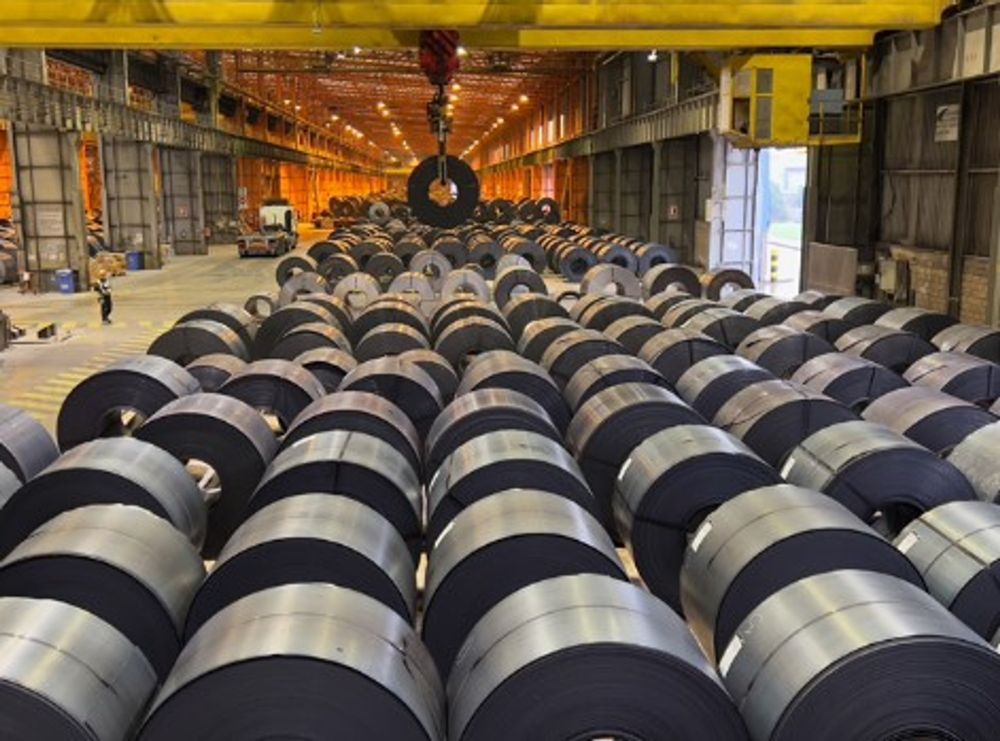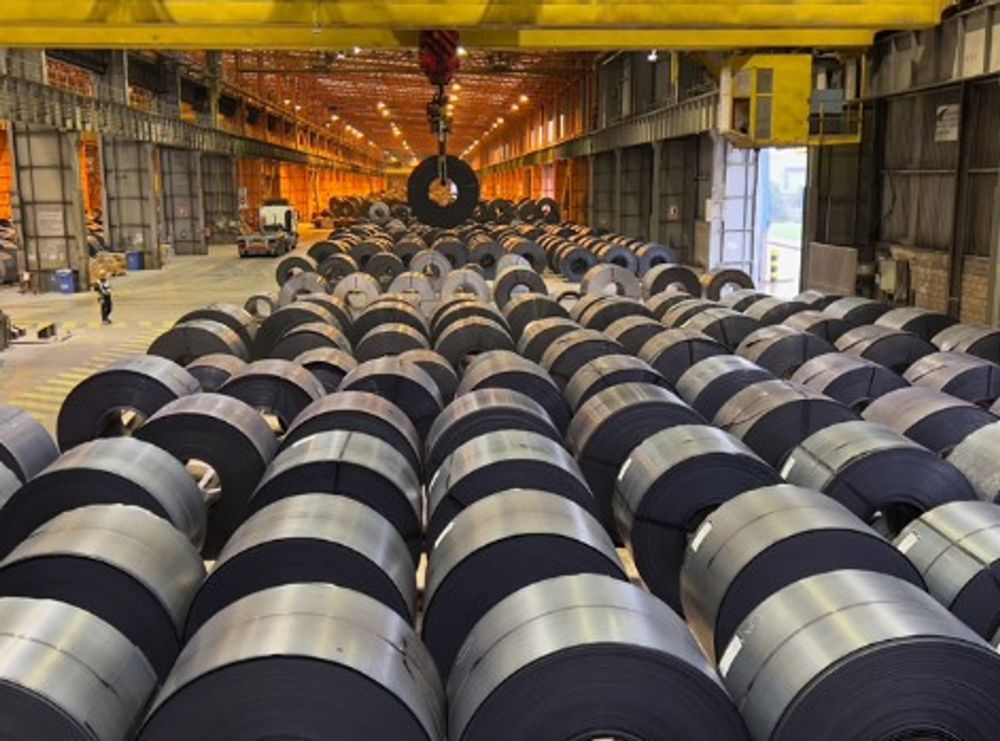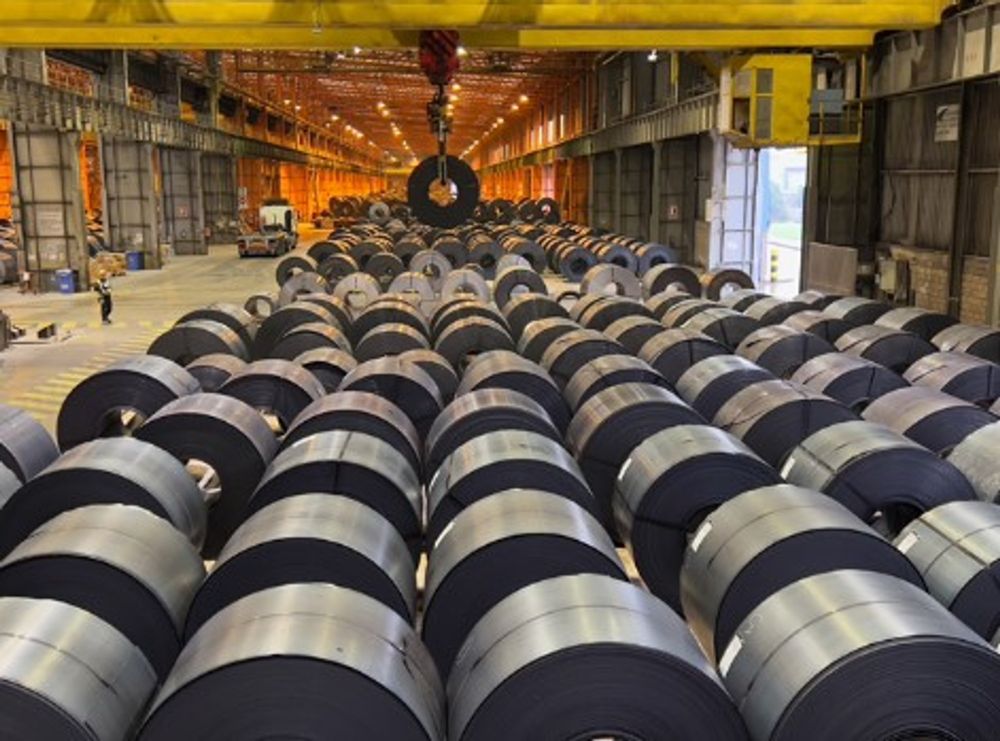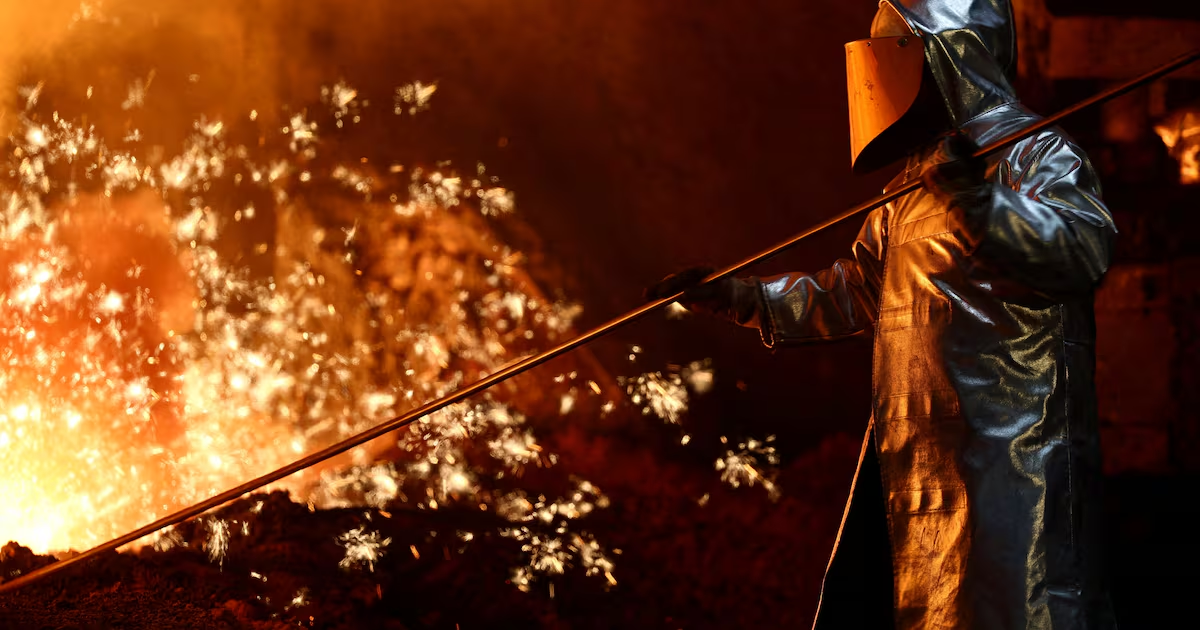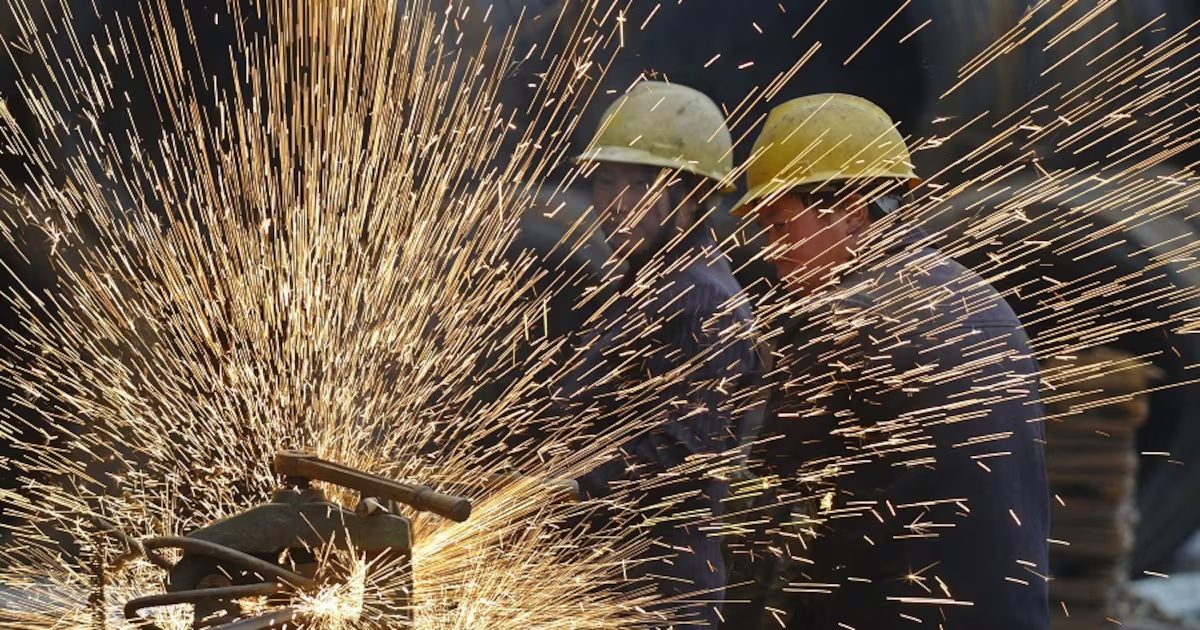
South Africa has imposed the steepest and broadest steel tariffs — the biggest protectionist move in two decades — to shield the local industry from cheap imports.The levies will create a seismic shift in trade relations between South Africa and its trading partners, especially China, its biggest one.The move by the International Trade Administration Commission of South Africa (Itac) came after the conclusion of its biggest steel tariff review in 20 years, which covered about R67bn worth of imports.The review finds that South African steel industry stakeholders face numerous challenges and that many major economies impose big tariffs to protect their domestic industries amid global steel overcapacity and associated trade diversions. With that in mind, 20% duties were imposed on products such as spades, shovels, timber wedges, hand saws, knives and cutting blades, rods and tubes, which were previously free of tariffs.Similarly, screws, bolts, nuts, coach screws, screw hooks, rivets, cotters, cotter pins and washers will now attract 30% duties. According to Itac, tube and pipe imports originated mainly from China. Imports from China increased by 10% and 62% in 2023 and 2024, respectively. China’s share of total imports increased from 74% in 2022 to 77% and further increased to 80% in 2024. Other steel categories saw high double-digit growth as well.However, rebate provisions have been proposed that will enable duty-free imports of steel products that are not manufactured locally, including certain rails, wire rods, pipes and heavy structural steel.According to Itac, the rebates are intended to protect downstream manufacturers from unnecessary cost increases if local supply does not exist.“The key elements of the upstream and downstream producers that were reviewed have been finalised,” said Itac commissioner Ayabonga Cawe. “On the rebates, there are a few measures that we have added that were not there before. These include rebates on certain rail products, coated steel products, and others.“In 2005, Itac commissioned a review that found that the South African steel industry is globally competitive and that imports constituted a very small share of demand. Almost all those competitive advantages have changed. We are now producing less than half of what we produced in 2004,″ Cawe said.“The 2005 review took almost all of our duties to zero. What we have done is to recommend that the rate of customs duties on products be increased to their respective World Trade Organisation bound rates to address import surges, price undercutting and duty circumvention affecting the domestic steel industry,” he added.Though several companies had asked for steep tariff hikes, including increases of up to 65.55%, the commission recommended that the rate of customs duties on products be increased to their respective World Trade Organisation bound rates to address import surges, price undercutting and duty circumvention affecting the domestic steel industry.“In some products we have moved from zero to 20%. We are responding to the last two decades and how we backslided since then.”Systematic approachThe Itac review zoomed in on more than 600 codes, from primary steel to stainless steel.South Africa’s steel industry has shed an estimated 25,000 jobs since 2009. Itac’s report recommended a holistic, integrated package of trade measures and nontrade interventions to restore the domestic industry’s competitiveness.The report notes that the duties will support domestic industrialisation, safeguard employment, and ensure access to essential inputs, while promoting a stable and predictable environment for investment in the steel value chain.“The recent announcement by Amsa [ArcelorMittal South Africa] to discontinue its long steel business is a testament to the reality that a more co-ordinated and comprehensive approach is needed in terms of support to the sector,” the report states.“This is the second major development in the domestic long steel sector in the last 10 years, following the demise of Evraz Highveld Steel, a heavy section producer.“The loss of 3,500 direct jobs and the potential loss of thousands of indirect jobs cannot be underestimated in a country characterised by high levels of unemployment and other socioeconomic challenges.”The loss of significant capacity will realign the long steel industry in South Africa and will see the increased significance of the steel mini-mills that make some of the products produced by Amsa, such as wire rods, rebar and sections.Itac is investigating the possible creation of rebate provisions for long products after the loss of capacity in Amsa’s Newcastle Works. Carmakers’ concerns addressedVehicle majors BMW and Ford, industry bodies such as Naamsa and the National Association of Automotive Component and Allied Manufacturers (Naacam) have had reservations about increasing duties on steel products used in the manufacture of vehicle components and vehicles to their bound rate.The reasons they have advanced are that increasing the rate of duty on those products will increase the cost of producing vehicles in South Africa and erode cost competitiveness in the global market. The vehicle industry further argues that local manufacturers are facing increasing pressure from the rapid influx of low-cost vehicle imports from China and India. The imports are often fully built up at much cheaper prices than locally manufactured vehicles due to the benefits received from governments’ subsidies.“The commission took the view that the automotive industry and the steel manufacturers, with support from the government, should collaborate to identify common, high-volume steel product specifications used across the sector. These products should then be prioritised for local production,” the Itac report states.“However, in instances where specific grades of steel are not available locally and there are not sufficient volumes to justify local manufacturing, temporary rebate provisions should be created.”South African authorities have been increasingly flexing their muscles regarding the country’s trades with the rest of the world. Earlier this year a substantial antidumping tariff was imposed on structural steel from key trade partner and geopolitical ally China as well as Thailand to shield the embattled local industry.That move came after imports from the Asian superpower and Thailand surged 19-fold in the 2023/24 financial year, placing the struggling local industry, and most notably Amsa, under further pressure.
SA’s steel tariffs to reshape trade ties with China and beyond
Itac steps in to shield the industry from the import crisis fuelled by global overcapacity
981 words~4 min read