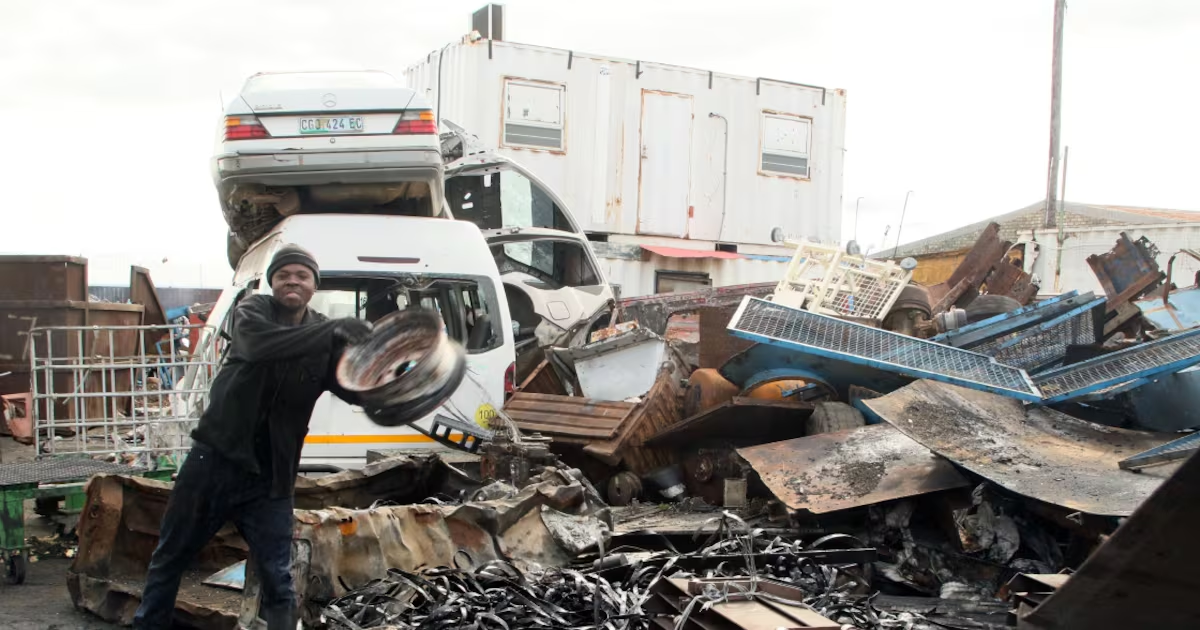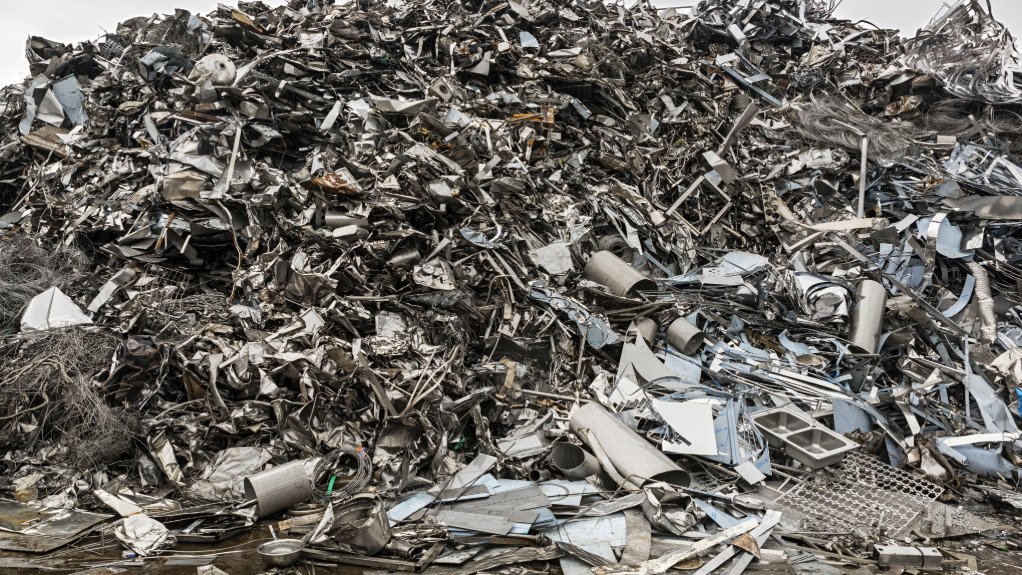
South Africa’s steel debate has become increasingly polarised. On one side are those arguing that local industry must be protected at all costs against imports, weak demand, and global competition. On the other are those warning that present measures are suppressing recycling markets, distorting incentives, and weakening upstream collection systems.But perhaps both sides are asking the wrong question. The real question is not whether South Africa should have industrial policy. The real question is, who pays for it? This is an uncomfortable question because industrial policy rarely presents itself as redistribution. It presents itself as a national interest.Tariffs are introduced to defend local production. Export controls are justified as strategic interventions. Price regulations are framed as industrial support. Yet every industrial intervention produces winners and losers. Every policy shifts costs and concentrates benefits somewhere in the system.The question is whether those transfers are visible, intentional and democratically defensible. South Africa’s scrap metal regime offers an important case study. For more than a decade, government interventions have sought to retain scrap domestically and lower input costs for downstream steel production. The logic is understandable: cheaper inputs should support local manufacturing, preserve jobs and strengthen industrial capability.But what happens when protecting downstream production weakens the upstream system that generates the material in the first place? This question becomes increasingly important as the global economy changes. Scrap is no longer merely a waste product. Across Europe, India, Turkey, and other industrial economies, scrap is becoming a strategic input into low-carbon steel production through electric arc furnaces.In the language of climate transition, scrap is becoming infrastructure. That changes everything. Because once a material becomes strategic, governance matters as much as supply. And governance is not only about who consumes strategic materials. It is also about who produces, collects, recovers and sustains them. This is where South Africa’s debate becomes more complicated than conventional steel economics suggests.Collection systems do not emerge automatically. Materials do not arrive at furnaces by policy decree. Recovery depends on incentives. It depends on labour. It depends on collectors, recyclers, transport networks, traders, municipalities and, increasingly, informal economies.In the language of climate transition, scrap is becoming infrastructure. That changes everything. Because once a material becomes strategic, governance matters as much as supply. And governance is not only about who consumes strategic materials. It is also about who produces, collects, recovers and sustains them. If recovery becomes economically unattractive, collection weakens. If collection weakens, supply deteriorates. If supply deteriorates, strategic resilience declines. This is not ideology. It is system design.South Africa’s circular economy depends heavily on informal and small-scale recovery systems. Thousands of recyclers and hundreds of thousands of informal collectors participate in recovering materials that would otherwise enter landfill streams. These actors are often discussed as beneficiaries of policy. In reality, they are productive economic actors.Yet debates around industrial protection rarely ask how policy costs cascade through these systems. Who absorbs suppressed prices? Who carries transport costs? Who loses market access? Who exits first when margins collapse?Industrial policy becomes dangerous when these questions disappear. Because economies are ecosystems. And ecosystems fail when value extraction exceeds value creation. The irony is that this matters not only for social justice but also for industrial competitiveness itself.South Africa cannot build a resilient steel industry by weakening the systems that recover strategic feedstock. Nor can it claim commitment to circular economy principles while creating conditions that make recovery economically irrational.A circular economy is not achieved because materials remain local. It is achieved because systems remain regenerative. That means incentives must work. Participation must remain viable and value must circulate.This does not mean abandoning industrial policy. It means improving it. Industrial support must become more transparent. Competition safeguards must become stronger. Trade policy must become better aligned with environmental objectives. And strategic materials governance must recognise that industrial success depends on healthy upstream ecosystems.Because ultimately, industrial policy is never free. Someone always pays. The question South Africa must now confront is whether we are comfortable with who now carries that cost. If the answer is no, then the debate is no longer about scrap. It is about the kind of economy we are trying to build. One that extracts, or one that circulates.• Fuma is a circular economy researcher and has developed a conceptual model for integrating informal waste pickers into the formal economy.
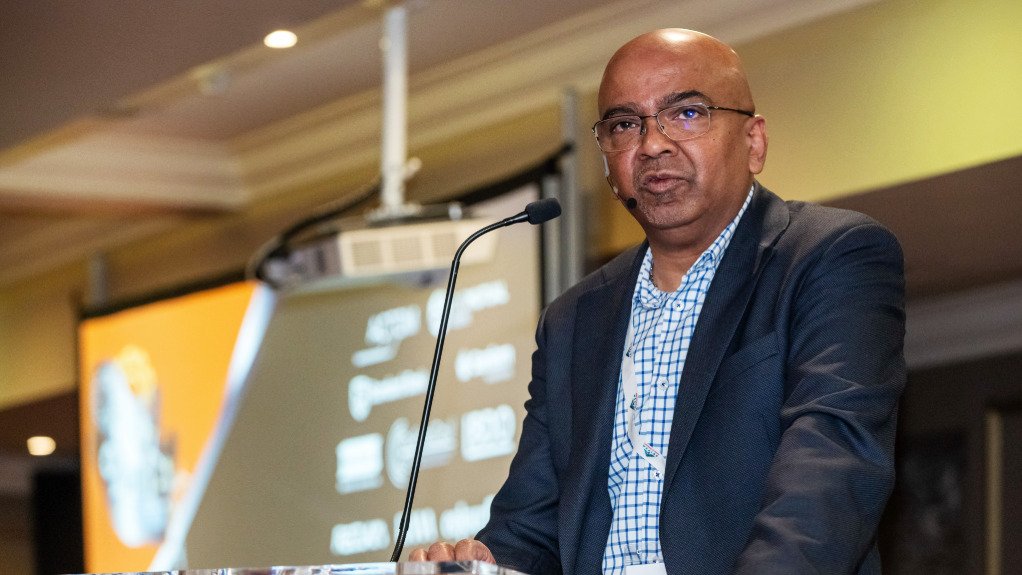
MASONWABE FUMA | Who pays for South Africa’s industrial policy?
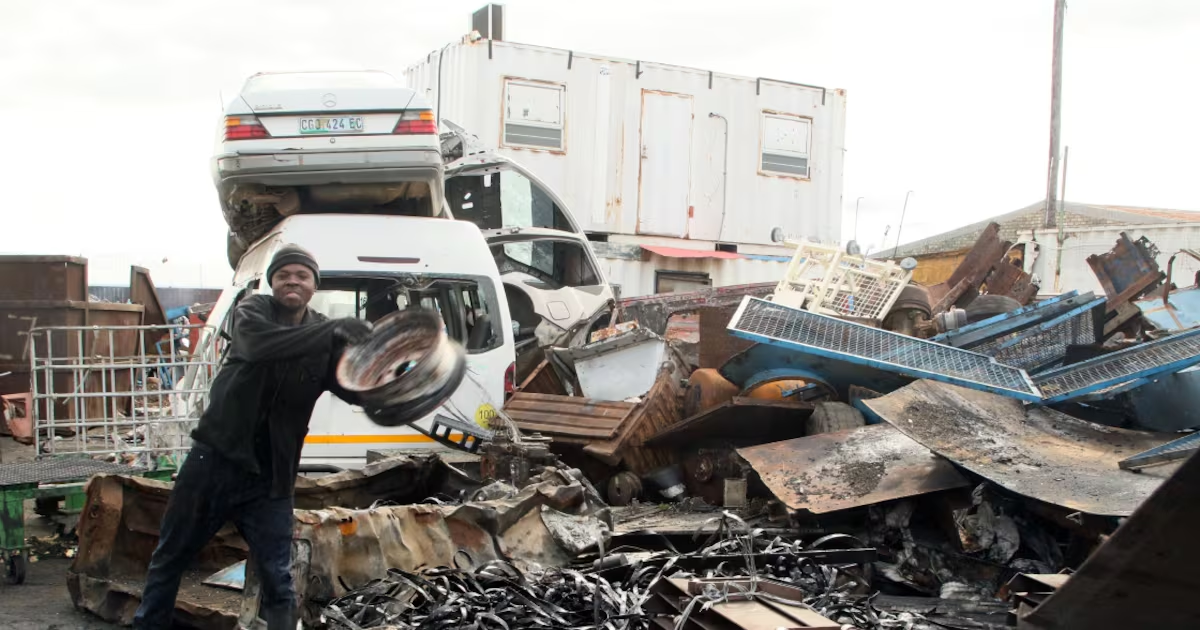
Scrap metal regulations shift burdens onto small-scale collectors
718 words~3 min read