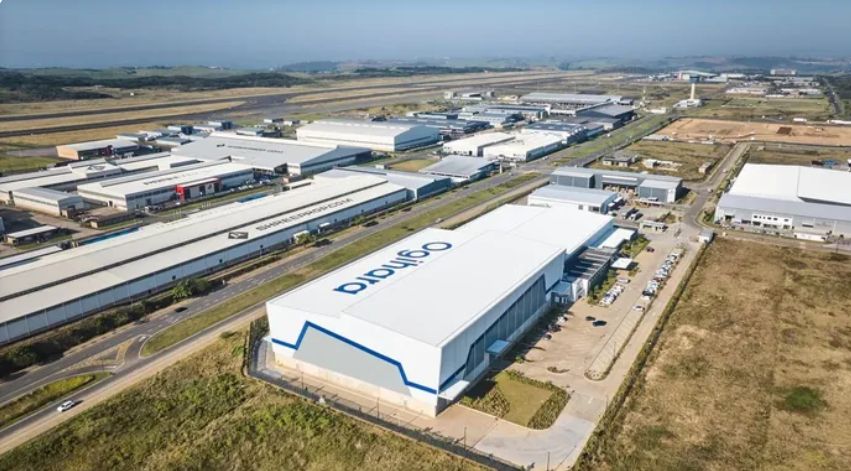
The Dube TradePort Special Economic Zone, north of Durban. The eThekwini Municipality has updated its Economic Development Incentive Policy (EDIP) to attract investment.
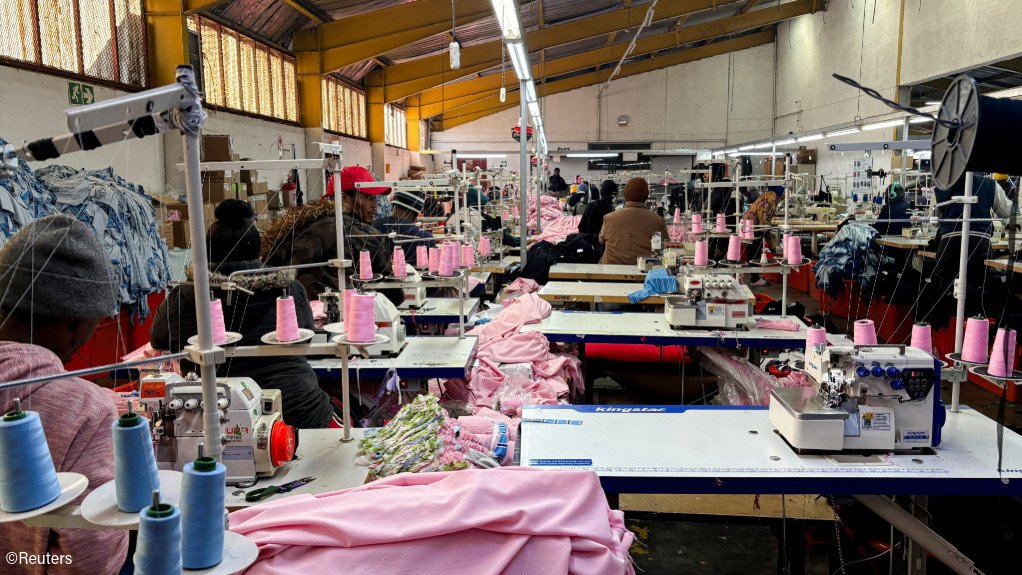
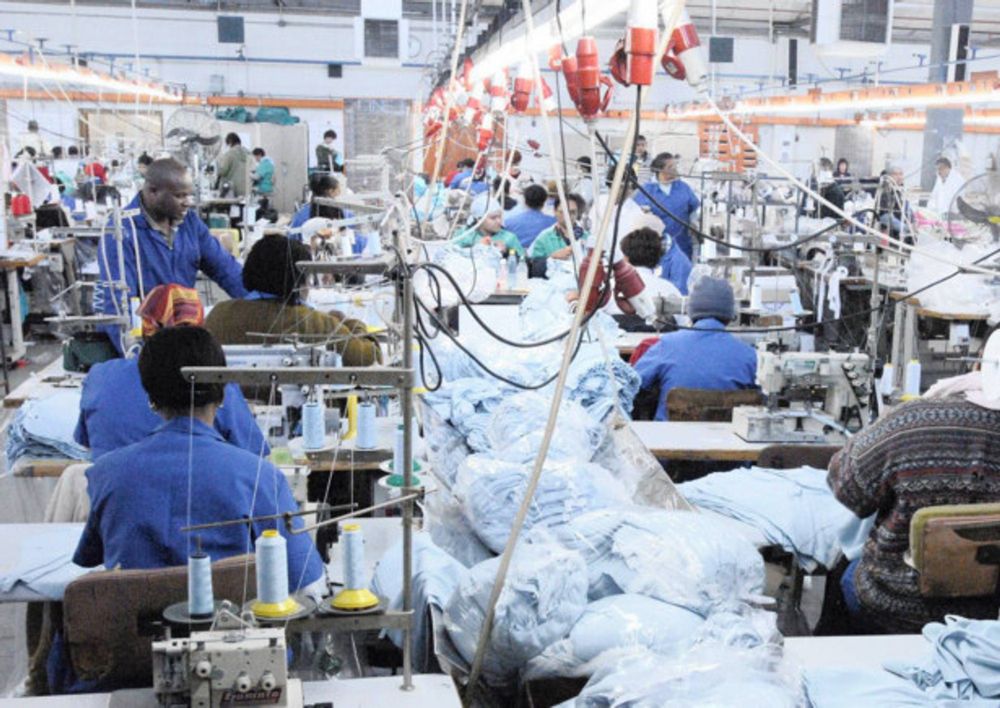
The immediate challenge is straightforward. Factory owners report workforce losses of between 12% and 19%, leaving sewing lines understaffed and production targets increasingly difficult to meet. Many of the workers who left occupied skilled positions developed through years of experience in garment manufacturing. Replacing them has proven far more difficult than many expected.
The situation is often framed as an immigration issue, but the reality is more complex.
South Africa's clothing industry has been under pressure for years. Competition from low-cost imports, rising operating expenses and changing global supply chains have squeezed profit margins. To remain competitive, many factories have relied on low-wage labour models that increasingly attracted migrant workers willing to accept difficult working conditions.
The departure of these workers has exposed an uncomfortable reality. The challenge is not simply finding employees. It is finding workers willing to perform demanding jobs at current wage levels.