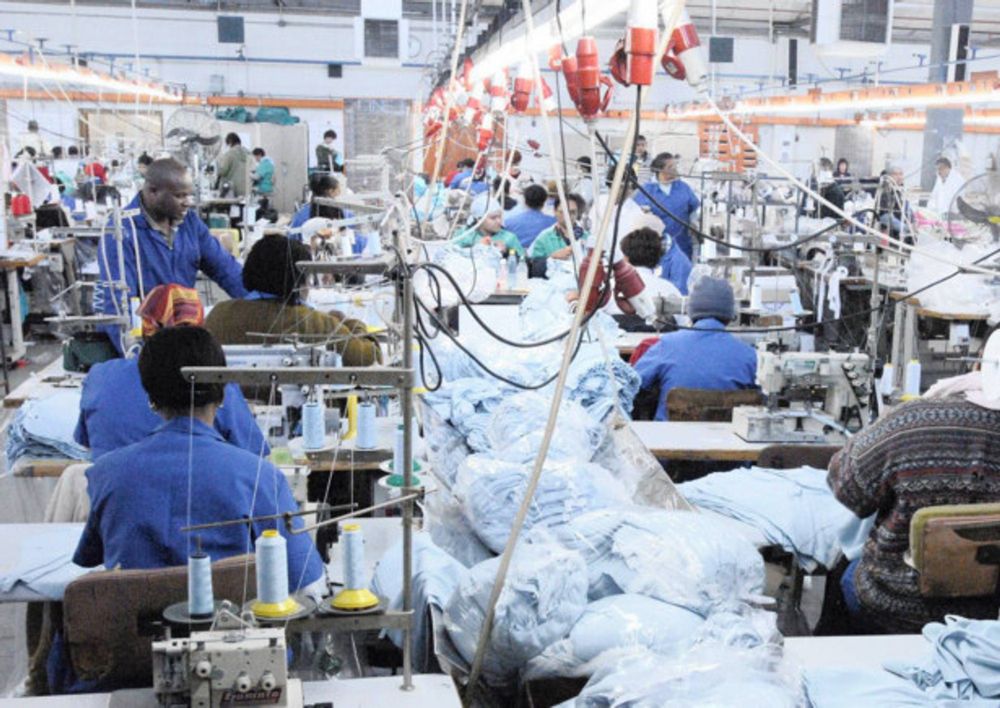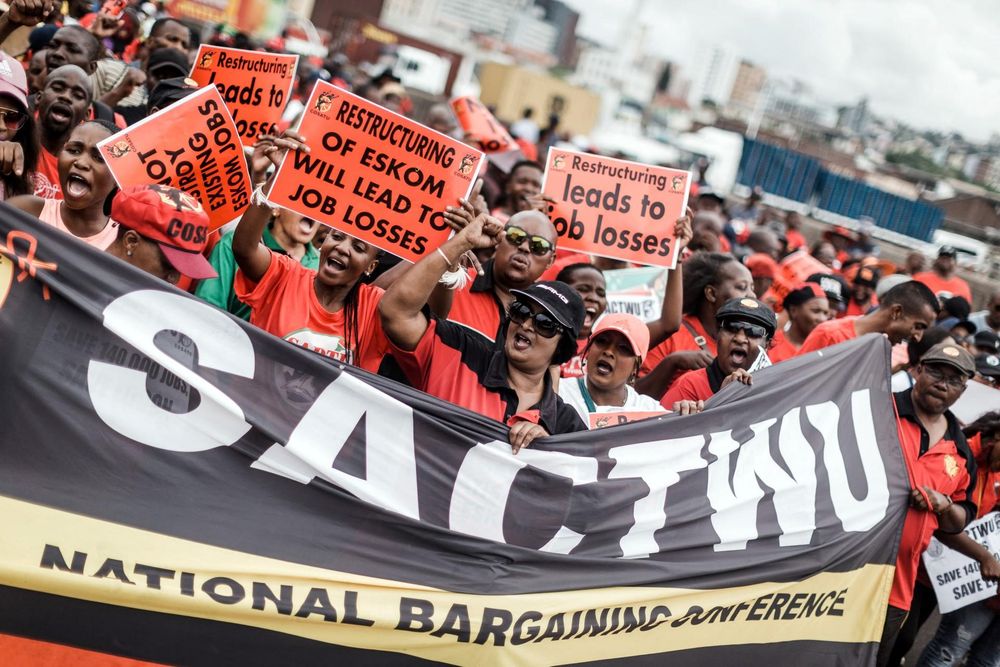
South African Clothing And Textile Workers Union (SACTWU) members protesting against job losses and deepening poverty in Durban on February 13, 2019. Thirty-two years after democracy, the country should not be discovering that its own citizens require training for jobs that have existed for decades, says the writer.
Zamikhaya Maseti
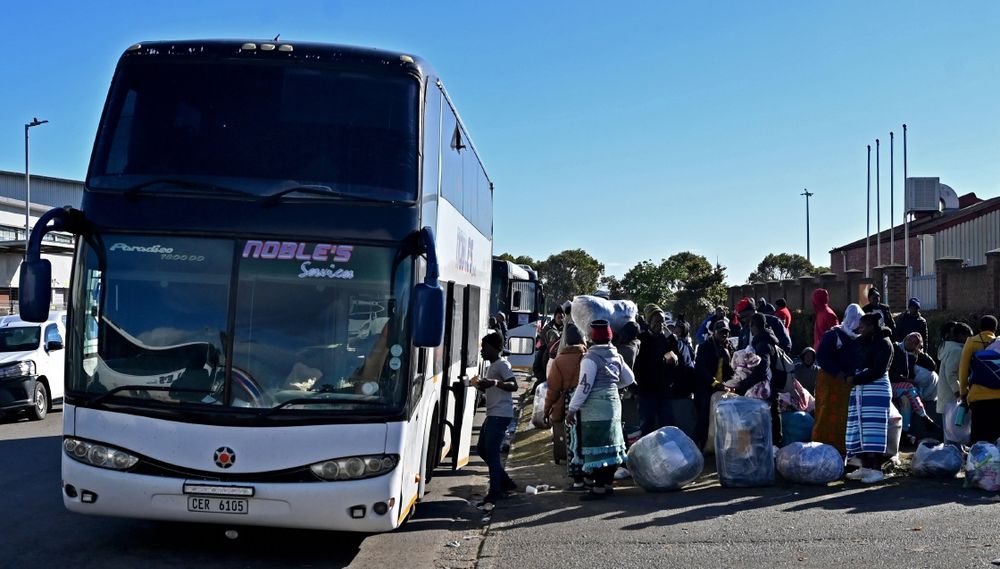
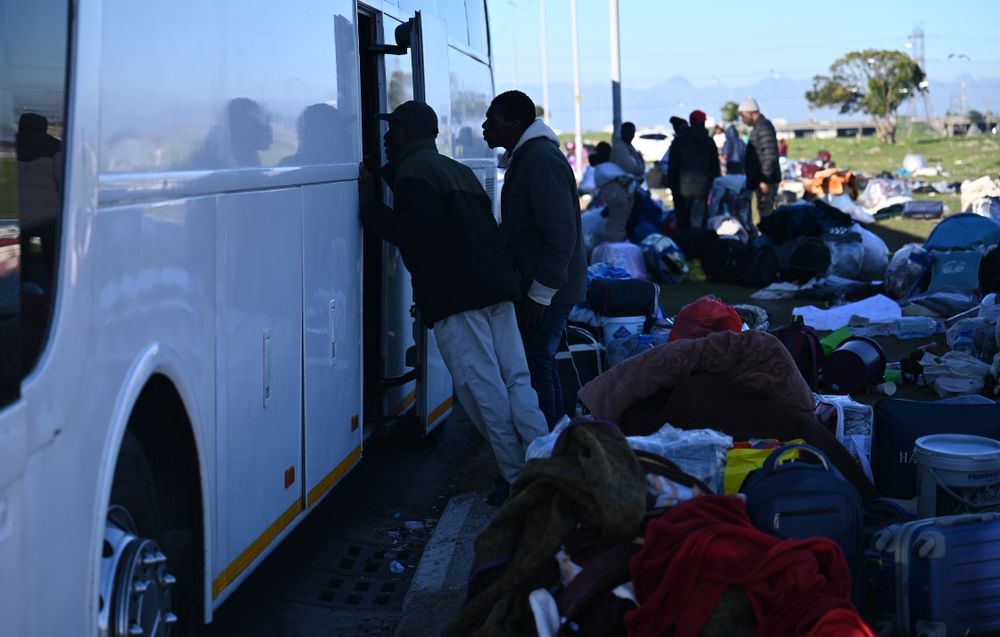
The announcement by sections of the eThekwini business community that they will embark on a skills development programme for South Africans following the departure of foreign nationals should not be received as a moment deserving of celebration.
Rather, it should be understood as an unintended exposure of one of the South African economy's enduring Achilles' heels, namely, the persistence of a cheap labour regime that has survived the democratic transition despite three decades of public investment aimed at transforming the economy and broadening employment opportunities.
The significance of this intervention lies not in the skills programme itself, but in the uncomfortable question it compels the nation to confront.