Five years ago, the world watched in stunned disbelief as the final American military aircraft left Kabul, bringing a chaotic and humiliating end to a 20-year occupation.
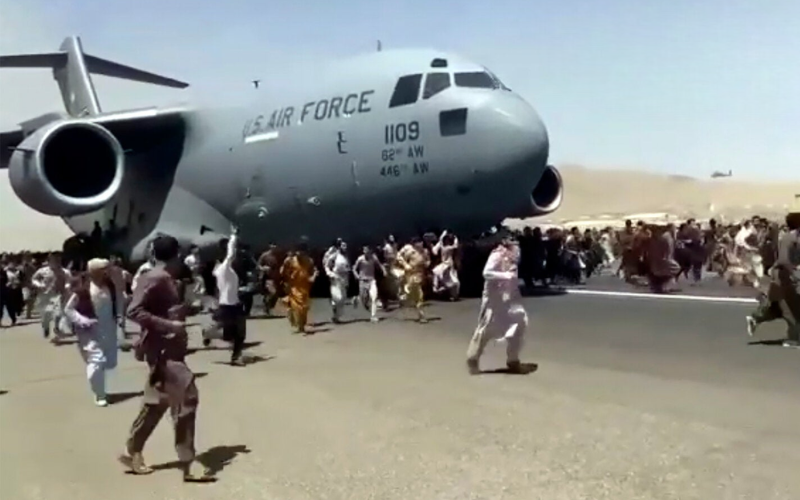
The images of desperate people clinging to the fuselages of US military transport planes departing the Afghan capital mirrored the panic of Saigon in 1975, cementing a visual legacy of imperial overreach.
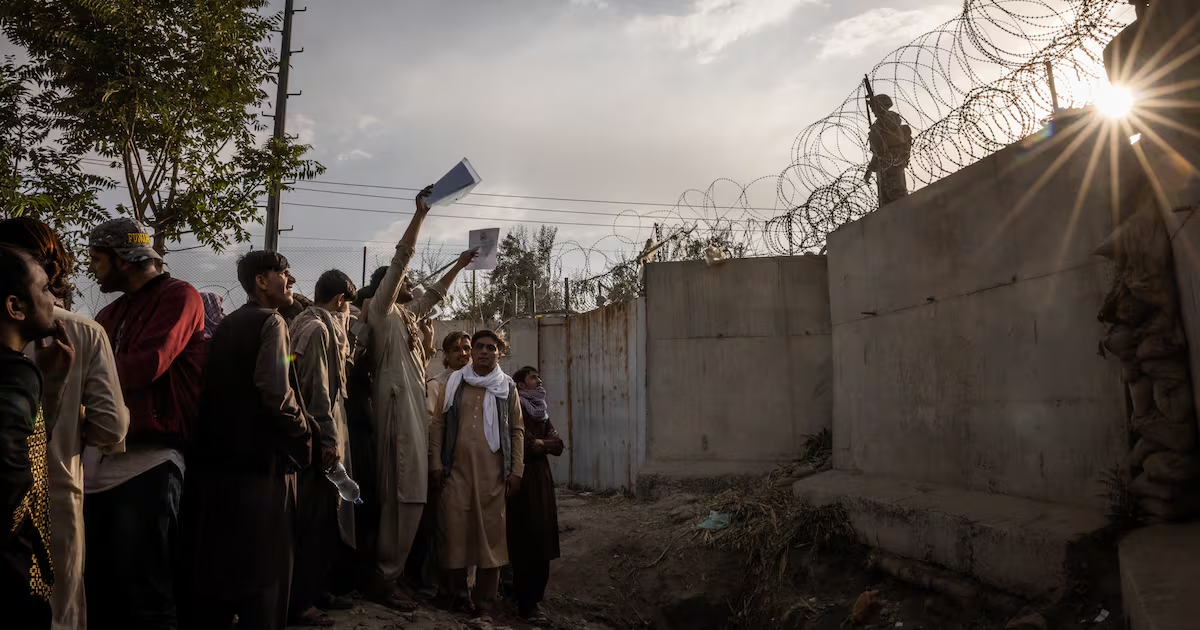
Western media outlets trained their lenses almost exclusively on the runway of Hamid Karzai International Airport, hyper-focusing on the frenzy to manufacture a narrative of total, apocalyptic collapse.
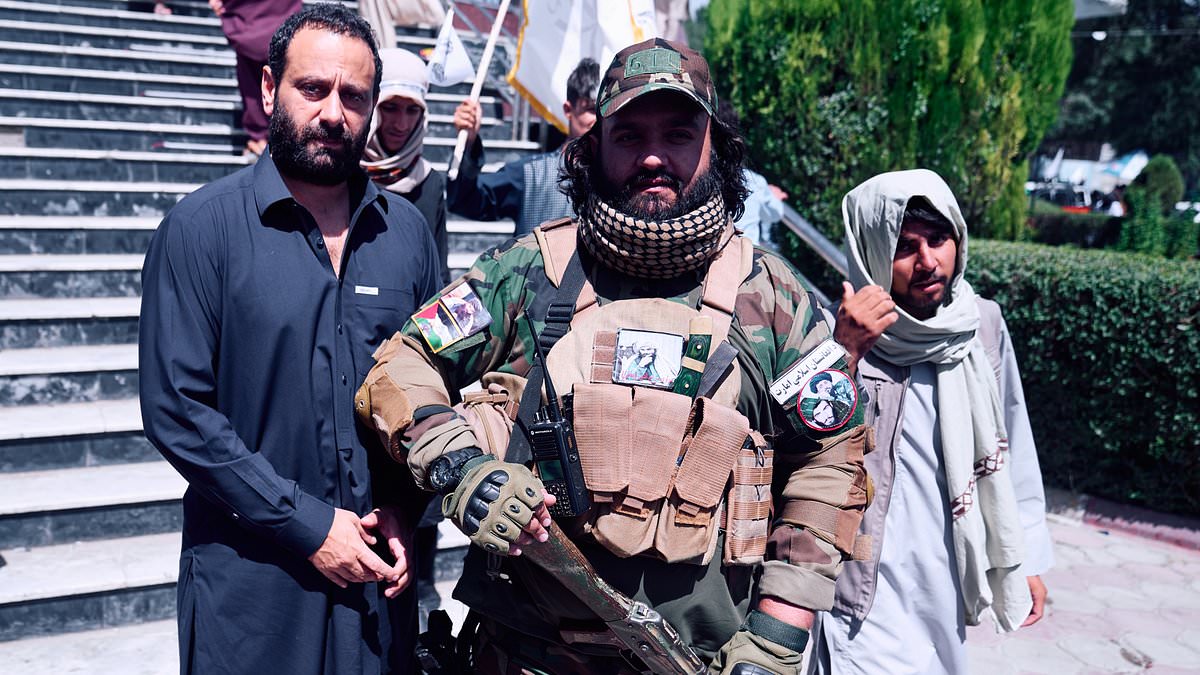
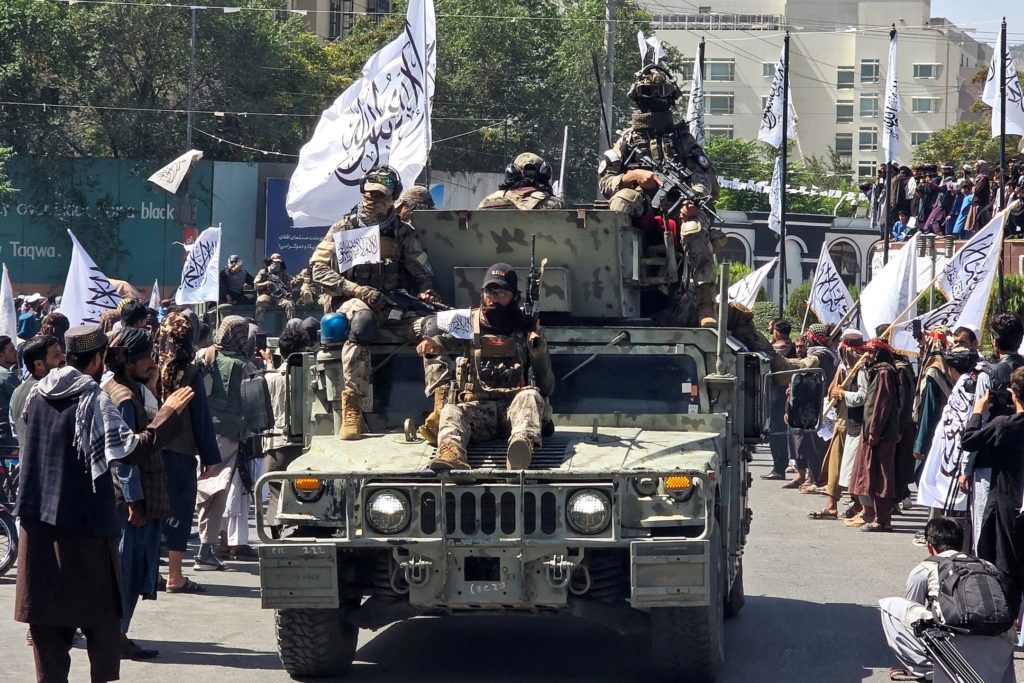
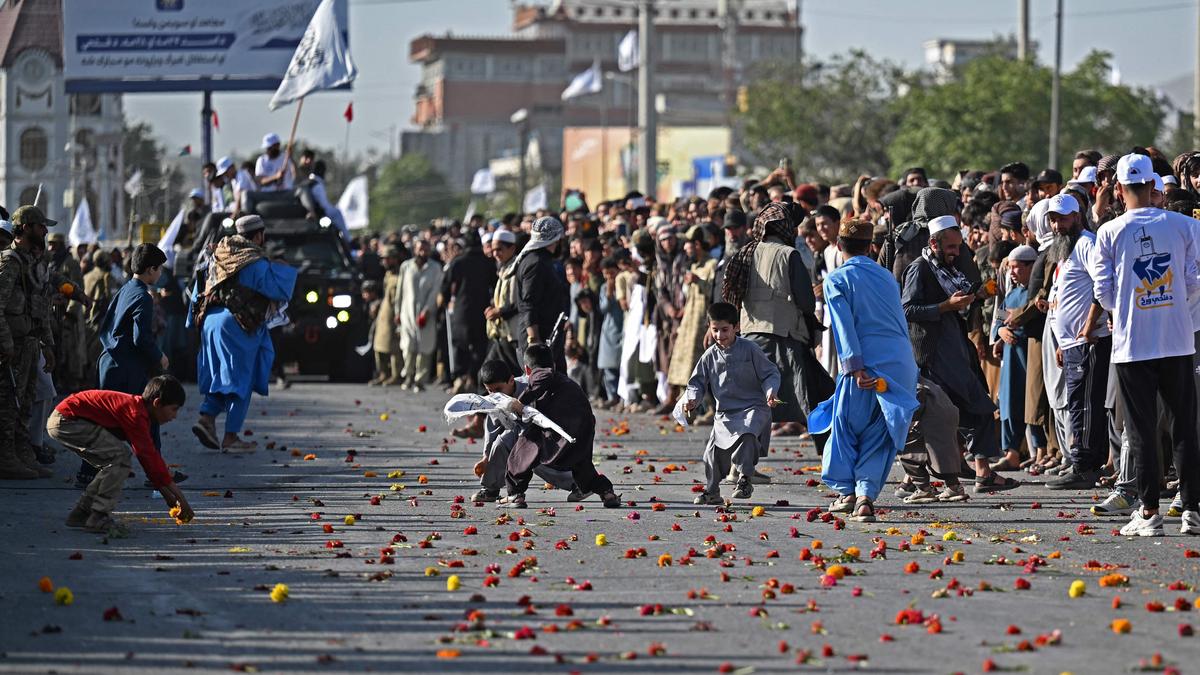
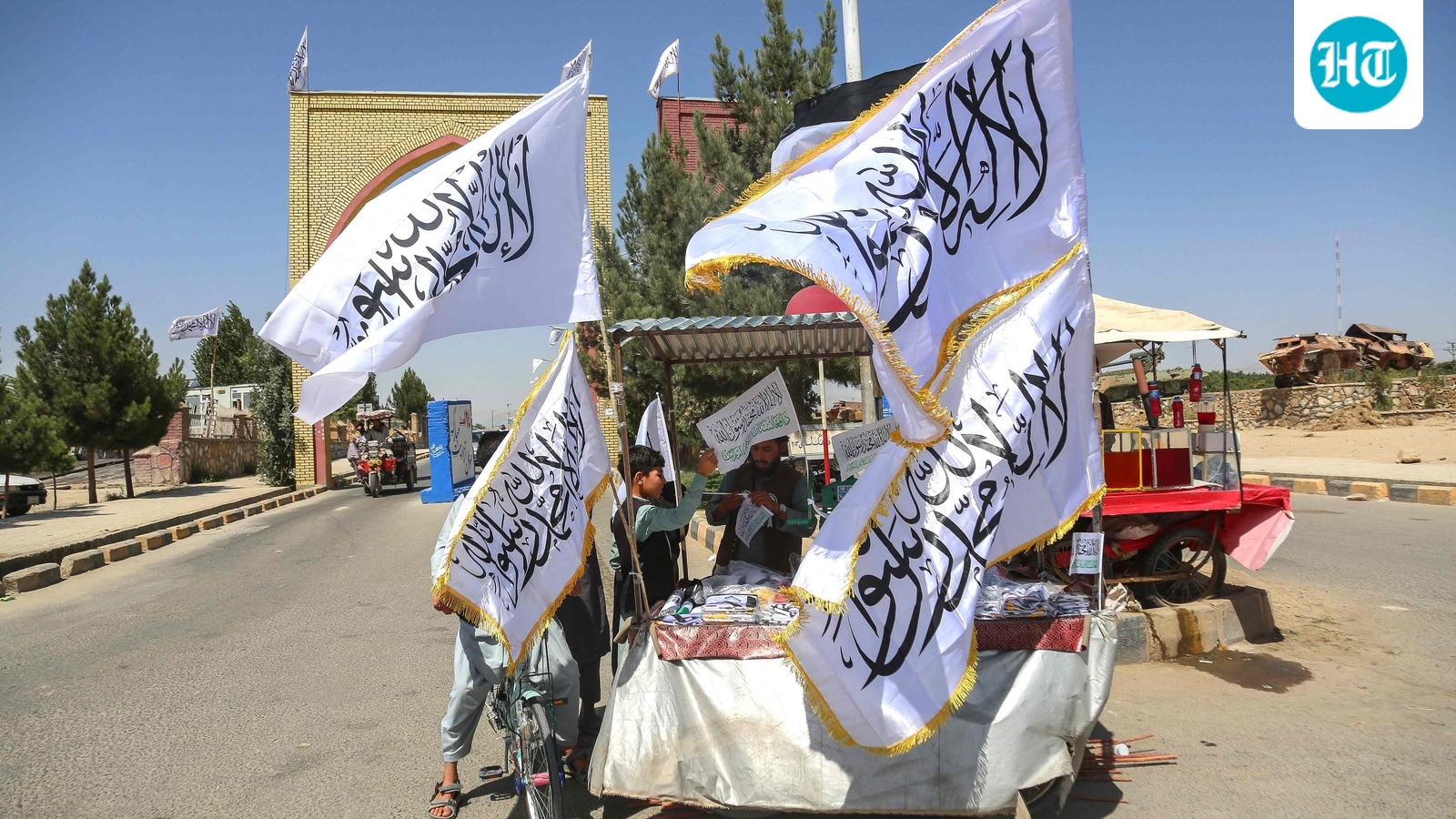
Yet step outside the airport gates, and the reality on the streets of Kabul told a completely different story. The capital did not fall to the sounds of heavy artillery or bloody urban warfare. Instead, the transition of power to the Islamic Emirate was remarkably orderly and peaceful.
For me, this quiet transition was the ultimate historical bookend. When I was forced to leave Afghanistan with my family in 2001, we fled a country shaking under the terrifying weight of western military might - shattered by Tomahawk cruise missiles, pounded by B-52 bombers, and rattled by the catastrophic shockwaves of 15,000-pound “daisy cutter” bombs.