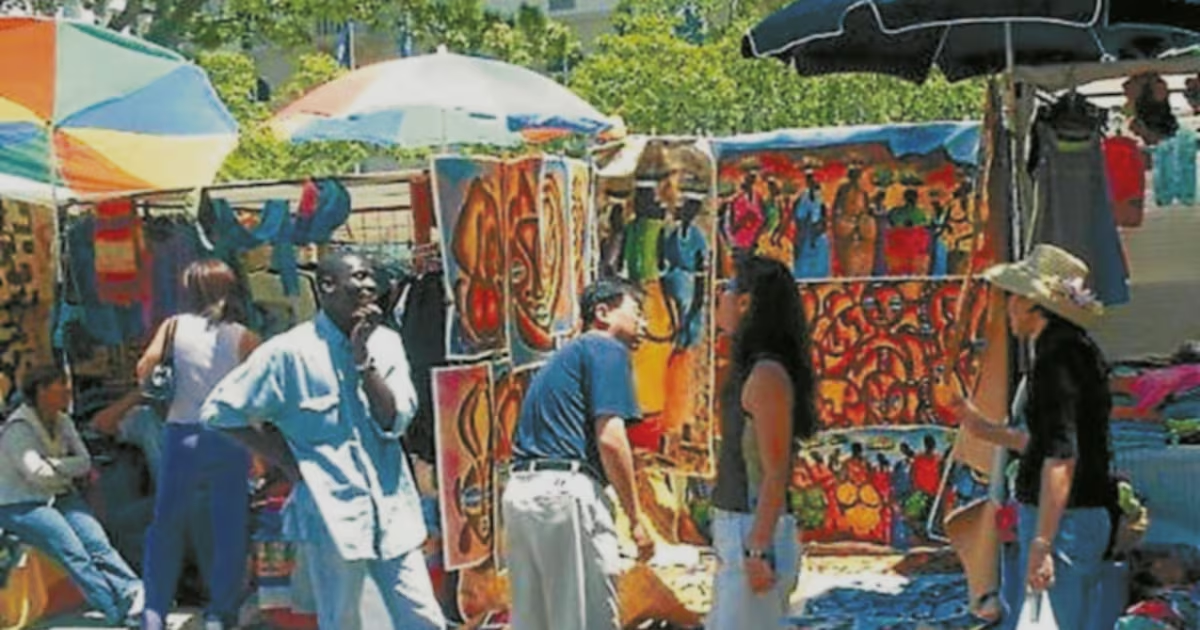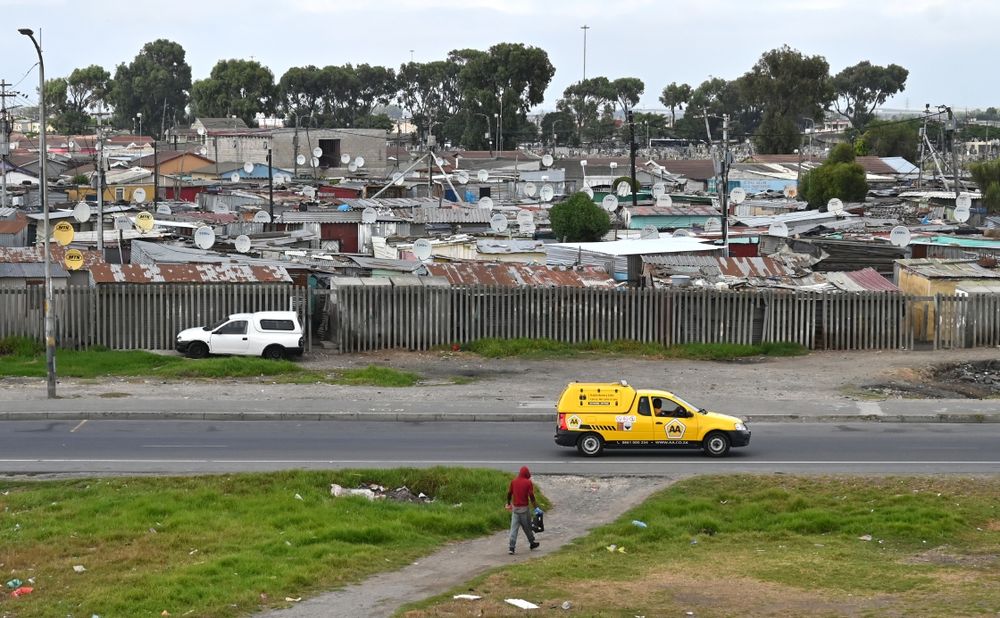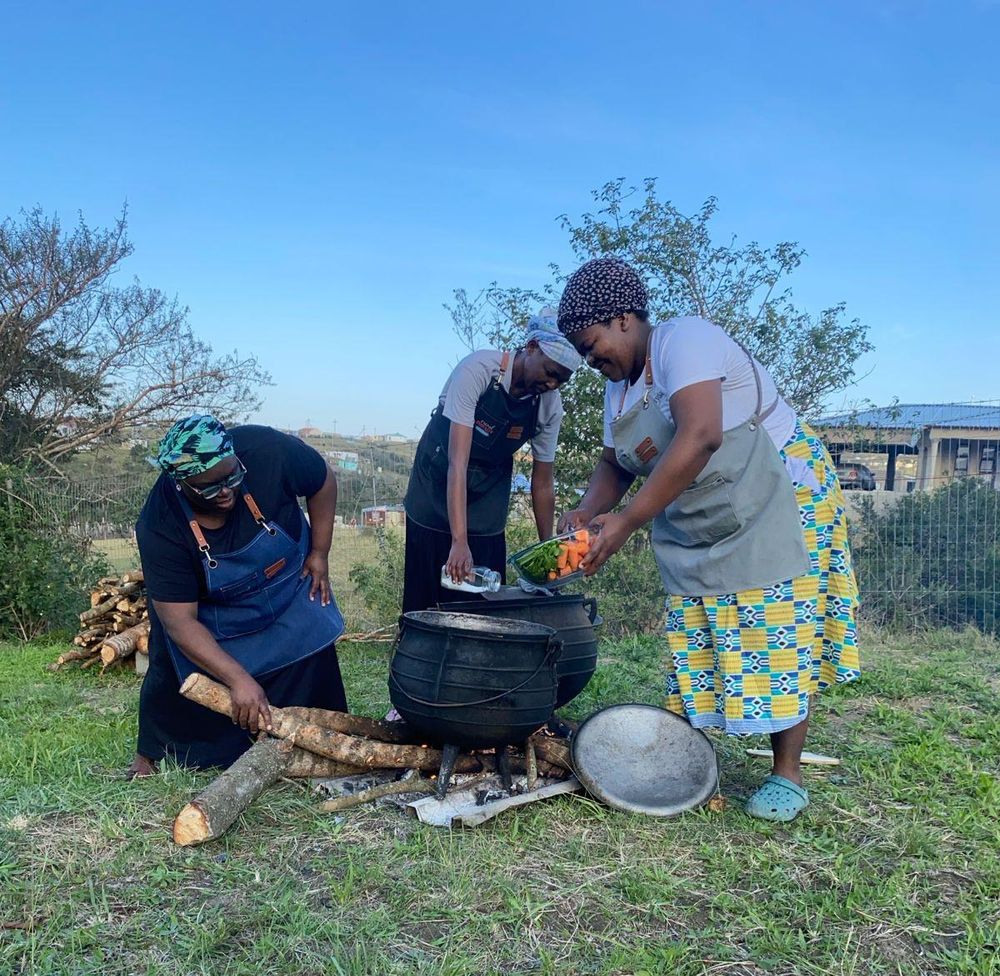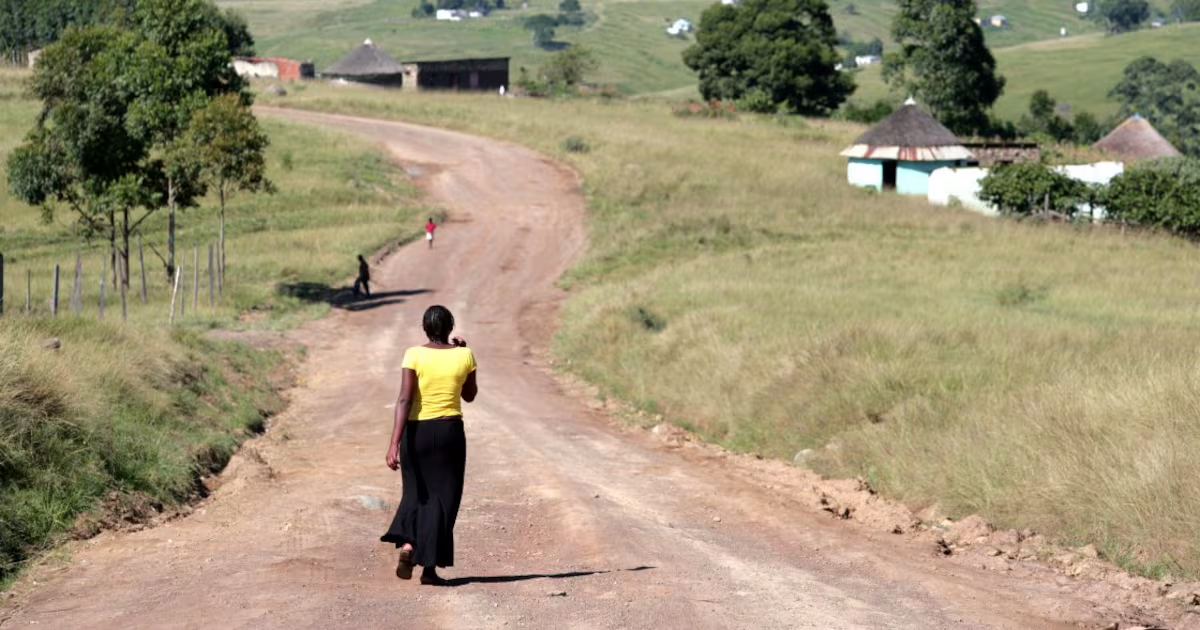
The future may lie off the beaten track, in market forms different to the archetypal profit-maximising firm. Co-operatives rule the roost in Brazilian poultry exports and a growing share of auto component volumes globally are associated with firms linked to the well-known Spanish co-operative movement, Mondragon. In South Africa they struggle when it comes to organisation, market penetration and reach, notwithstanding the historical advances seen in the legacy co-operative movement in agriculture or home industry tuisnywerheid. The difficulty making significant advances in the social economy remains a sore point in the evolution of the post-apartheid economy. This was on display in a recent trip to a historic coastal village on the Sunshine Coast of the Eastern Cape. The R72 that connects KuGompo (formerly East London) and Port Alfred (set to become iQiyi ― or not, if the ratepayers of the scenic coastal town have a say) winds into a narrow but recently tarred road. There are speed-regulating humps aplenty in the stretch that winds down to the coast past the old church in the village of Bell and the nearby graves of the members of the German legion who fought for the British in the Crimean War. Soon thereafter, the glimmer of the estuary fed by the Keiskamma River greets you as it runs peacefully into the sea. The German mercenaries named this river mouth Hamburg. The African communities of the area that would be known as Peddie called it the “place of the shellfish” in their own language, long before the German legion shared the area with them. It is a place of great indigenous art, rich cultural artefacts and warm people, which I discovered when doing research for my book, ‘New’ Settler or ‘Old’ Tenant?. It is also a place of longstanding contestation between grain and livestock farmers over labour supply requirements and the vexing matter of tenancy. As I would soon discover, it is also a place of great striving. Two co-operatives with overlapping memberships illustrate this. One co-operative, working with a technical partner, farms oysters on a micro scale in the estuary tidal zone just before it enters the sea. A few kilometres around the winding hill a sewing co-operative makes gender-specific traditional clothing for cultural events such as home-coming ceremonies and weddings, including kaftans and West African dashikis. The sewing group operates from a space afforded them by a recently departed global NGO that was operating in the area, and much like other similar co-operatives it is an embroidery machine or two away from a more predictable and voluminous order flow. The secretary of the Siyazama Oyster Co-operative, Thembakazi Faliso (also a member of the sewing cooperative), tells me that they have been working at the estuary since 2012. She has hosted a stream of visitors (ministers, portfolio committees and other cognoscenti of the oceans economy) and seen numerous plans (specifically during the Operation Phakisa era). Now, more than a decade on, they are a group of 25 committed community members (mostly women) who have learnt a lot about aquaculture (and the clothing sector). They exhibit a boundless optimism despite confronting many obstacles. Often their second-hand boat needs a bit of persuasion to start, or their makeshift jetty needs repair. Ngqushwa municipal officials try to help where they can. As their order base grows, Faliso recognises that the co-op will need a better vessel and more rotating floating baskets known as flippers). “We are in a building phase,” she says. In a place where despondency and despair have often sought a home in the past, which is now surrounded by hope, this spirit is an indispensable ingredient for the economic reconstruction and nation-building we all committed to more than three decades ago. It is a spirit that resides in these people, for whom the future presents as a different and better place than today. • Cawe is chief commissioner at the International Trade Administration Commission. He writes in his personal capacity.
AYABONGA CAWE | Eastern Cape co-ops strive for economic renewal
Grassroots oyster and sewing ventures highlight resilience in face of economic hardship
656 words~3 min read