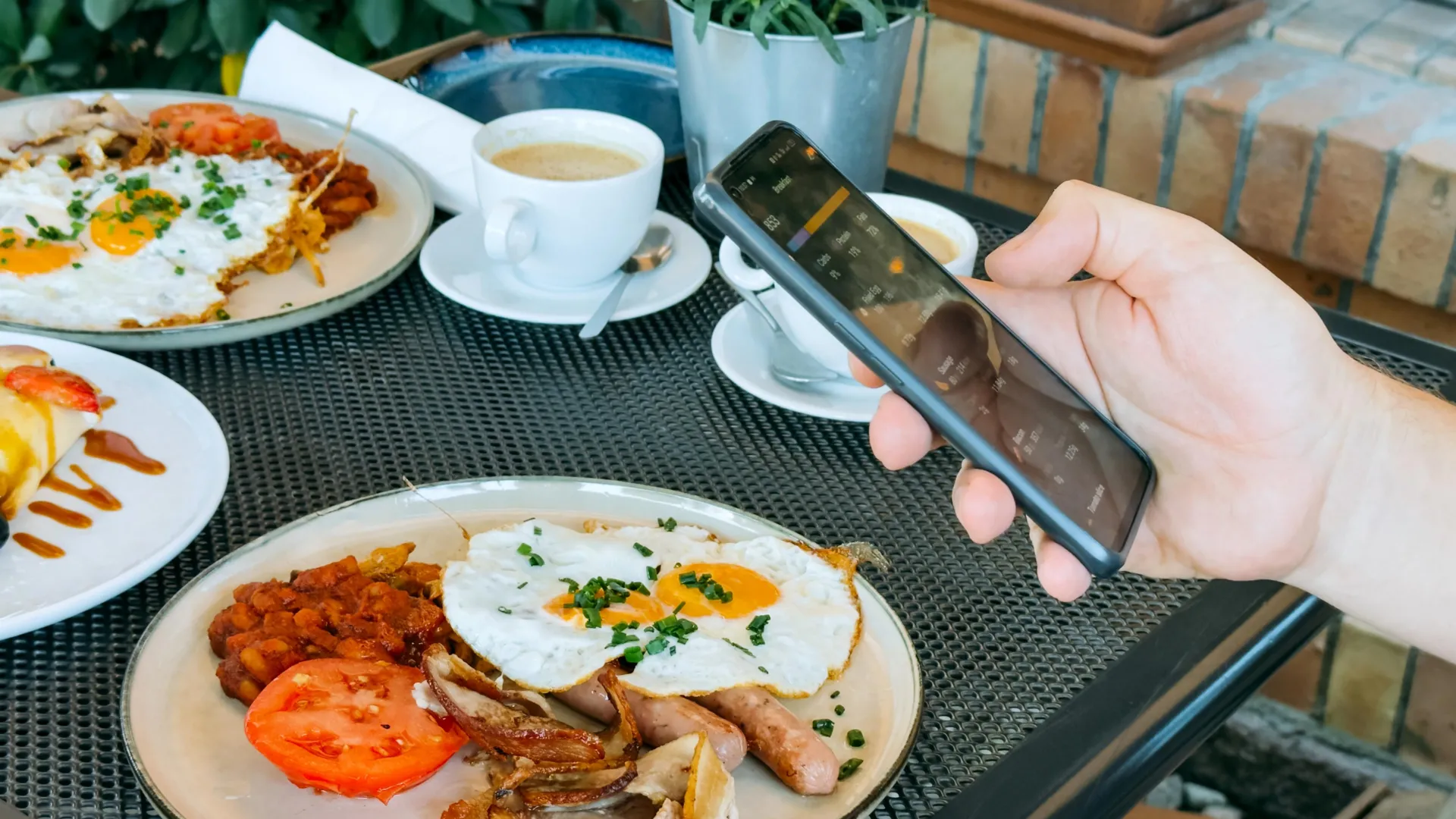
How many times have you stared at a plate of Gong Bao Chicken or a complex Mediterranean salad and wondered, "How many calories are actually in here?" Traditional calorie tracking apps are tedious, requiring you to manually weigh ingredients and search through messy databases. But with the rise of multimodal AI, specifically the GPT-4o Vision API, we can now transform a simple photo into a detailed nutritional breakdown in seconds.
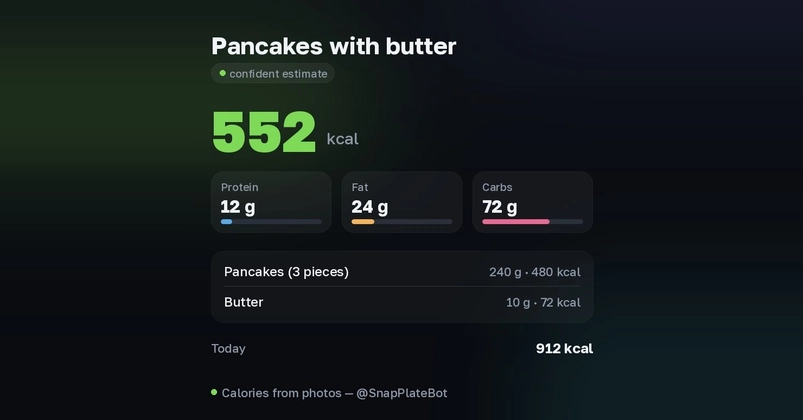
In this tutorial, we are building a Computer Vision Nutrition Engine that leverages GPT-4o to identify ingredients, estimate portions, and calculate macronutrients with surprising accuracy. By using Few-shot Prompting and structured data validation with Pydantic, we’ll solve the age-old problem of identifying "hidden" ingredients in complex cuisines. Whether you're interested in AI for health or mastering multimodal LLM pipelines, this guide is for you!
The Architecture 🏗️
The system logic is straightforward but powerful. We take an image input, process it through the GPT-4o vision model using a specialized system prompt, and enforce a strict JSON schema output for our frontend to consume.
graph TD