Back in the mid-2000s, calorie and macro tracking was a niche practice. You weighed your food, looked it up in a database, and wrote down how many calories and how many grams of protein, fat, and carbohydrates you were eating each day. It was the domain of bodybuilders, strength athletes, and competitors trying to stay inside a weight class.
Then, somewhere in the early to mid-2010s, social media, and YouTube in particular, pulled it into the mainstream. Gym enthusiasts who wanted to look like their favourite fitness influencer started tracking too, and by then there were a handful of apps on the market. What they didn’t do was make it much easier. Logging was still slow and monotonous, and it felt like something that was never going to be for everyone.
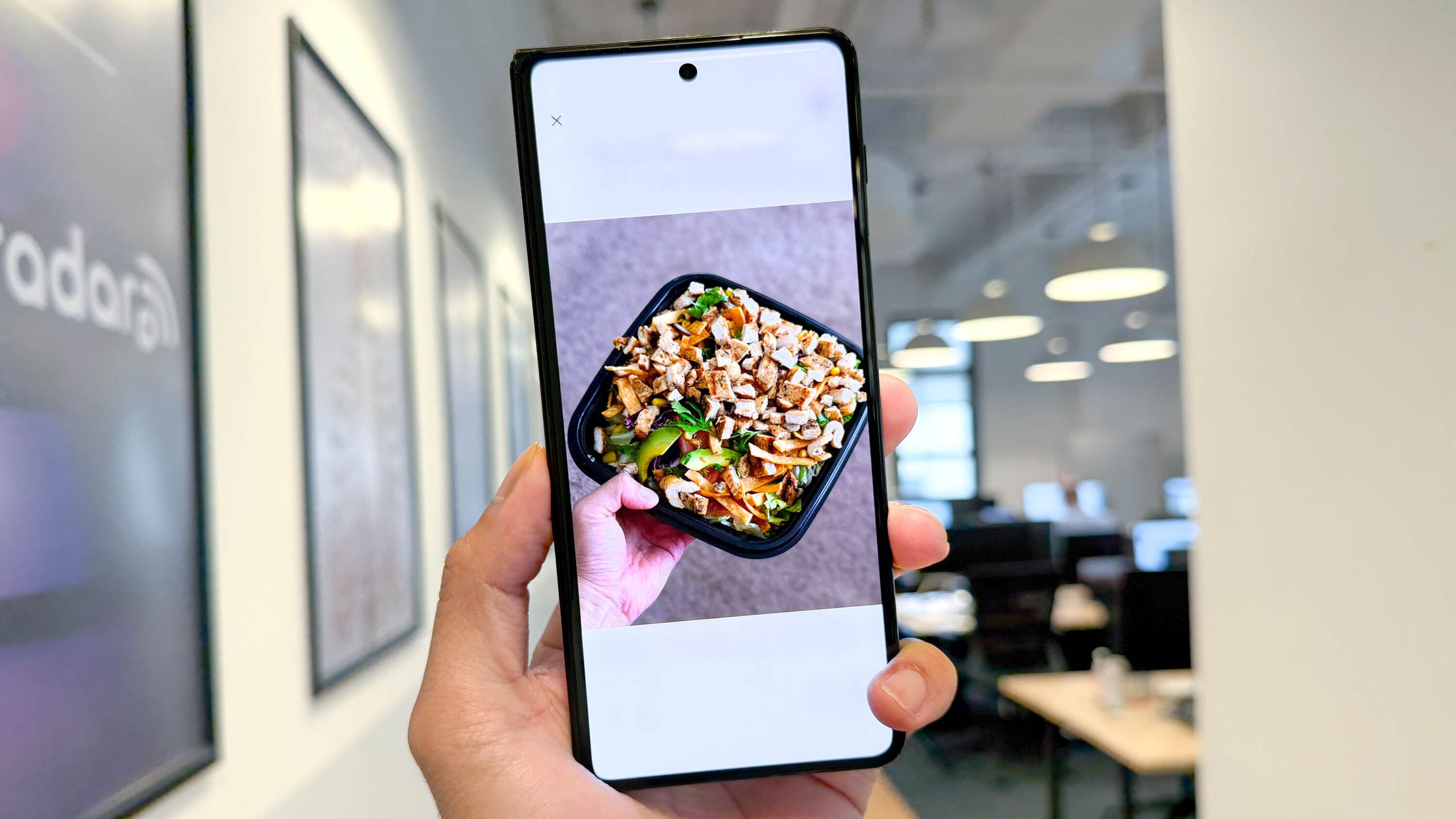
That changed in the years after COVID-19, and above all with the arrival of AI. Calorie tracking found a much bigger audience outside the usual gym crowd, and the industry moved to make the practice faster, more accessible, and easier to fit into any daily routine. That push towards accessibility and personalisation is where the real competition now sits, and some companies have gone further with it than others.
Of course, not every calorie tracking app available today, or every app that wears the AI label, is doing something genuinely new. So here are five apps that are actually pushing calorie tracking forward this year, and what each one is really innovating on.