Audio By Vocalize
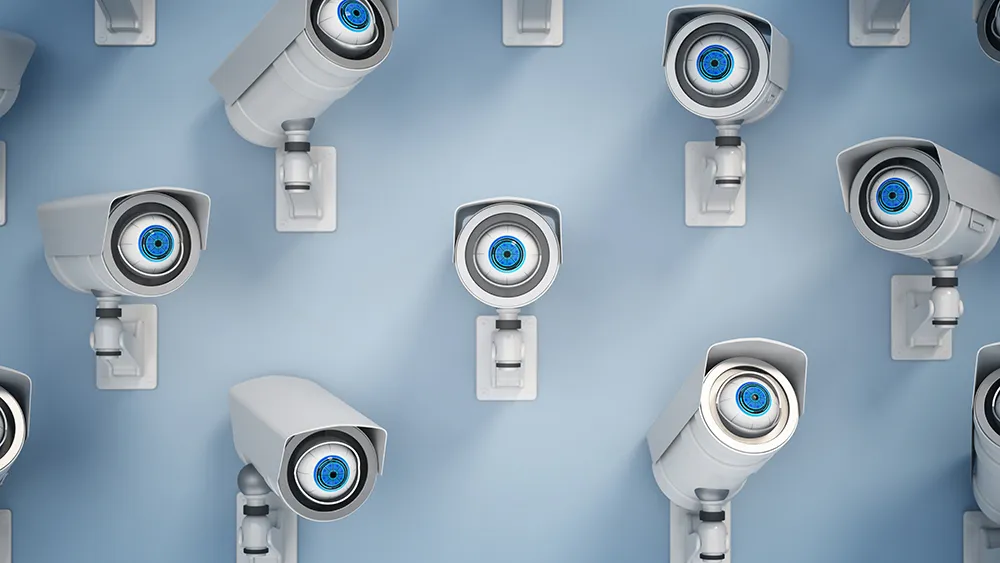
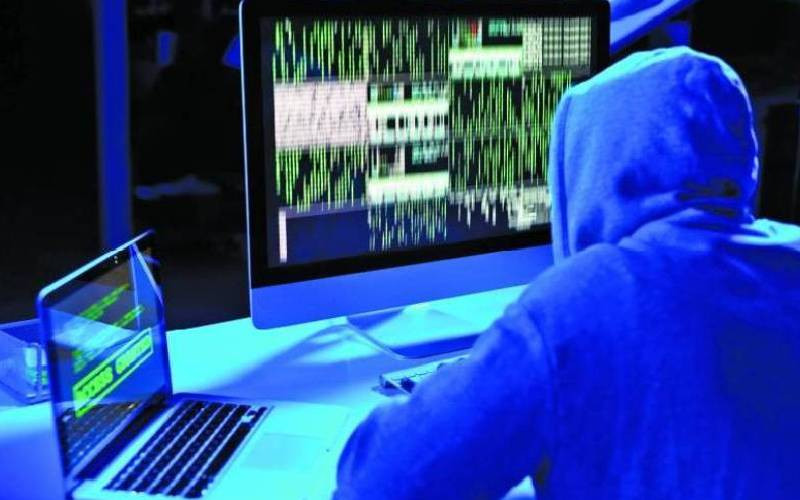
The tools of surveillance are now more affordable, more widespread, and more hidden. [Courtesy]
A silent form of control is growing across Africa in the name of state surveillance. Governments, often in the name of security or service delivery, are investing heavily in technologies that allow them to monitor what citizens say, do, and access online. Surveillance is no longer something that happens in secret. It’s part of everyday life, baked into SIM card registrations, public Wi-Fi networks, mobile money platforms, and even CCTV on Nairobi’s streets. And yet, most Kenyans remain unaware of how much of their data is being collected and who has access to it.
The reasoning from governments is usually the same: National security, public health, anti-terrorism, or the need to build smart cities. But there’s a growing discomfort about just how much data is being harvested and what happens to it. From biometric databases to face recognition cameras, from cybercrime laws to data-sharing agreements, the State is building tools of quiet power. The danger is not just the data itself, but the fact that the rules governing how that data is used are often vague, selectively enforced, or entirely missing.