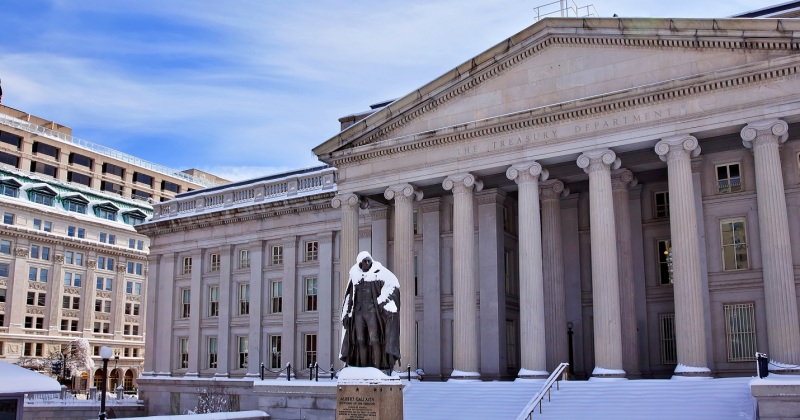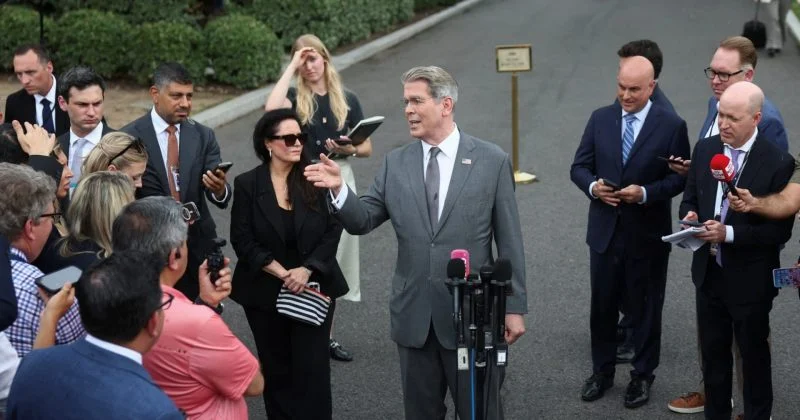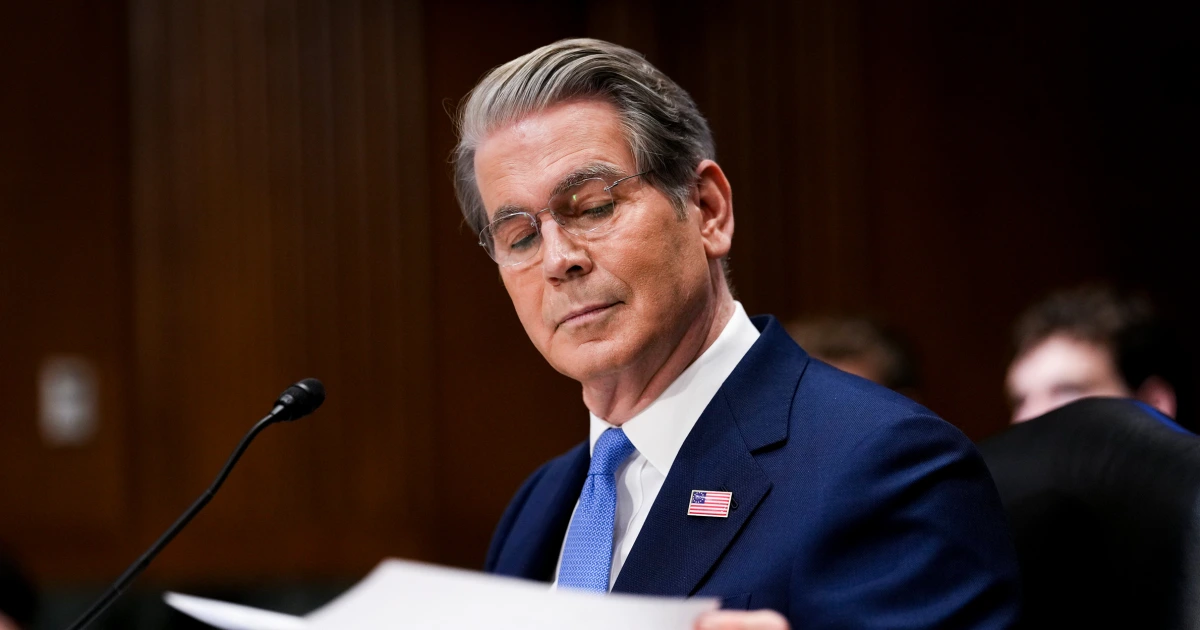
On August 20, the Dow Jones Industrial Average plunged nearly 700 points, a drop of roughly 1.3%, while the S&P 500 fell 0.8% and the Nasdaq slid approximately 1%. The selloff came just one day after Treasury Secretary Scott Bessent unveiled a surprise increase in the government’s buyback operations for longer-dated bonds, a move designed to inject liquidity into the market and push yields lower.
The buyback gambit and its very brief afterglow
The Treasury’s plan, announced on August 19, involved doubling the size of its buyback operations from $2 billion to at least $4 billion per operation. The expanded purchases would target longer-dated government bonds and run from September through early November, with the explicit goal of easing yields that had climbed to multi-year highs.
The initial reaction was encouraging. Yields on 30-year Treasury bonds dipped from around 5.26% to 5.18%. But by August 20, yields had snapped back upward, and equities followed them lower.
Why the plan fell short