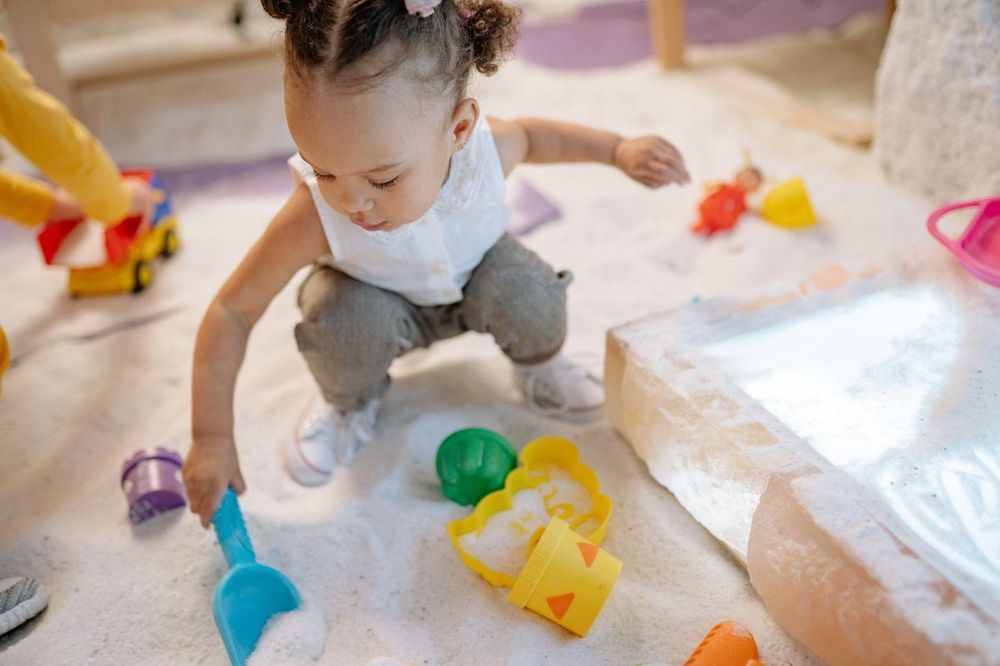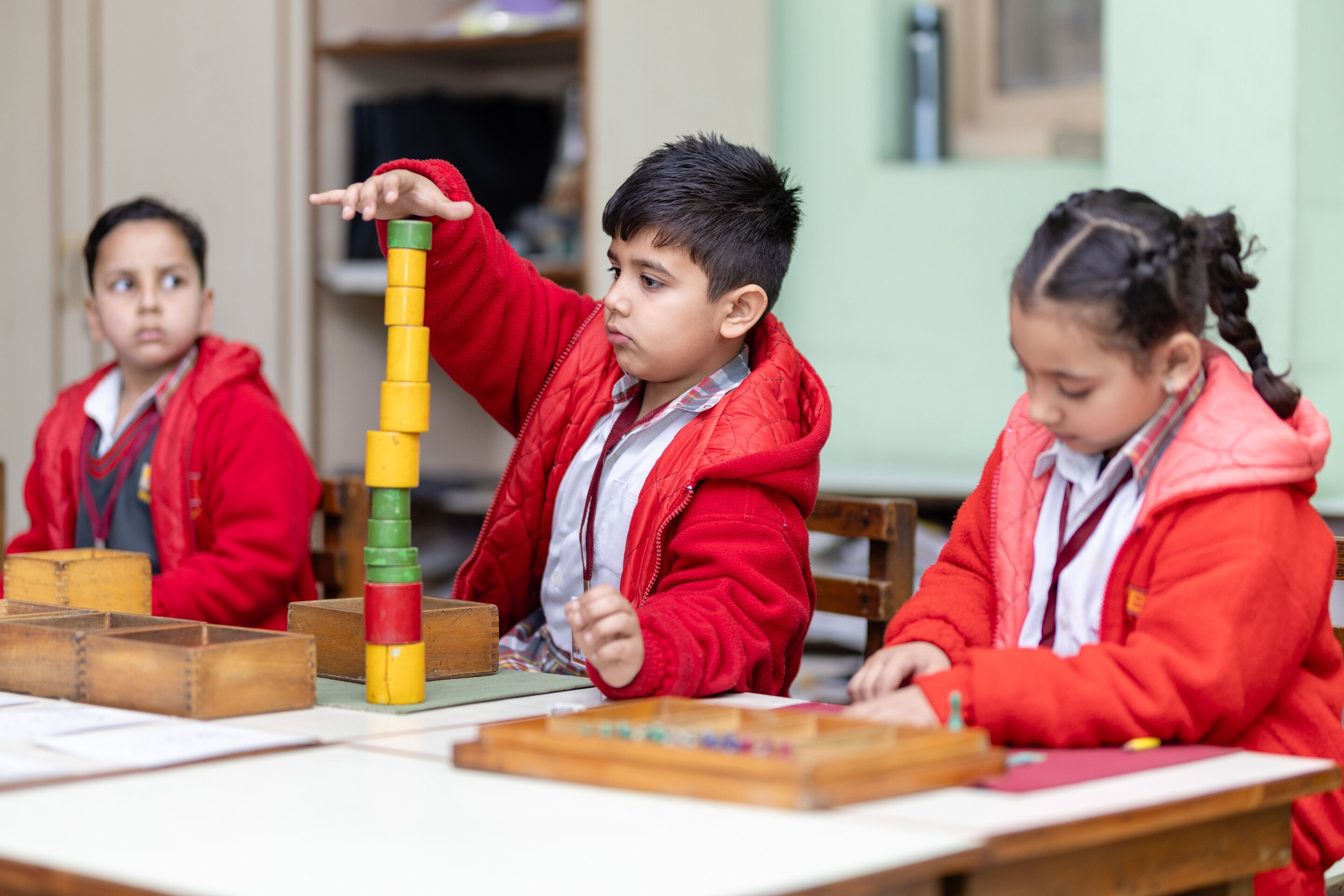
Thinkers from Plato to Maria Montessori have championed play as one of the most powerful ways that young children learn and grow. American preschool teachers overwhelmingly agree—but a new study finds that teachers in urban settings feel less family support for play-based learning than their suburban counterparts.
The study, published in the Early Childhood Education Journal, drew on survey data from 110 preschool teachers in two Midwestern states to examine how classroom play is supported across urban, suburban and rural settings. Researchers looked at three key factors: teachers' own knowledge and beliefs about learning and play, their perception of family support for play and their perception of curricular support for it.
While teachers' beliefs about play and curricular support didn't differ by region—96.9% agreed or strongly agreed that play supports academic learning—urban teachers were significantly less likely than suburban teachers to say families in their classrooms viewed play as essential to learning.
According to Erin Fox, lead author of the study and a recent graduate with a doctorate in human development and family science from The Ohio State University, both research and anecdotal stories from teachers and parents point to growing pressure in preschool settings to prioritize direct academic instruction, which can limit children's time for play.