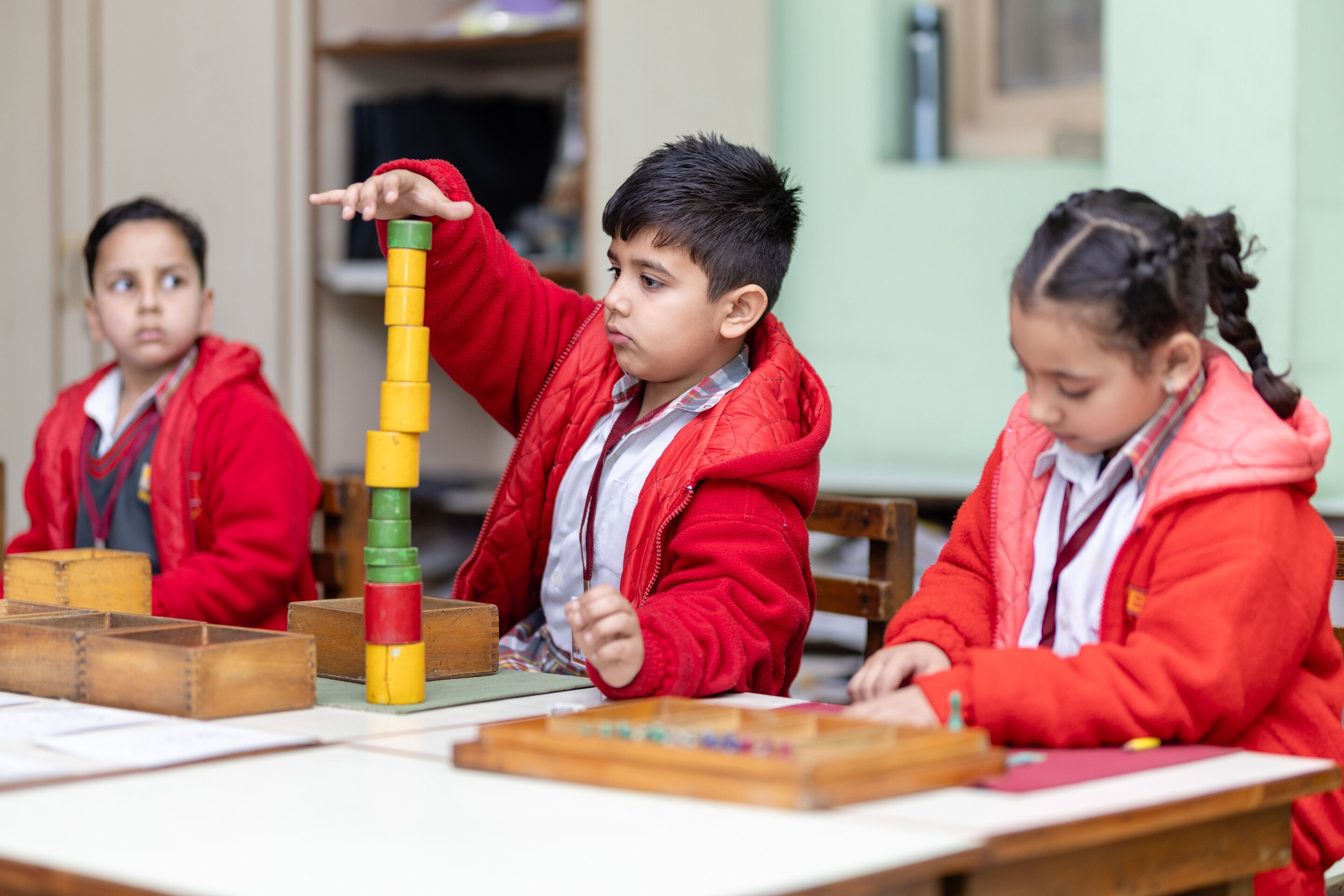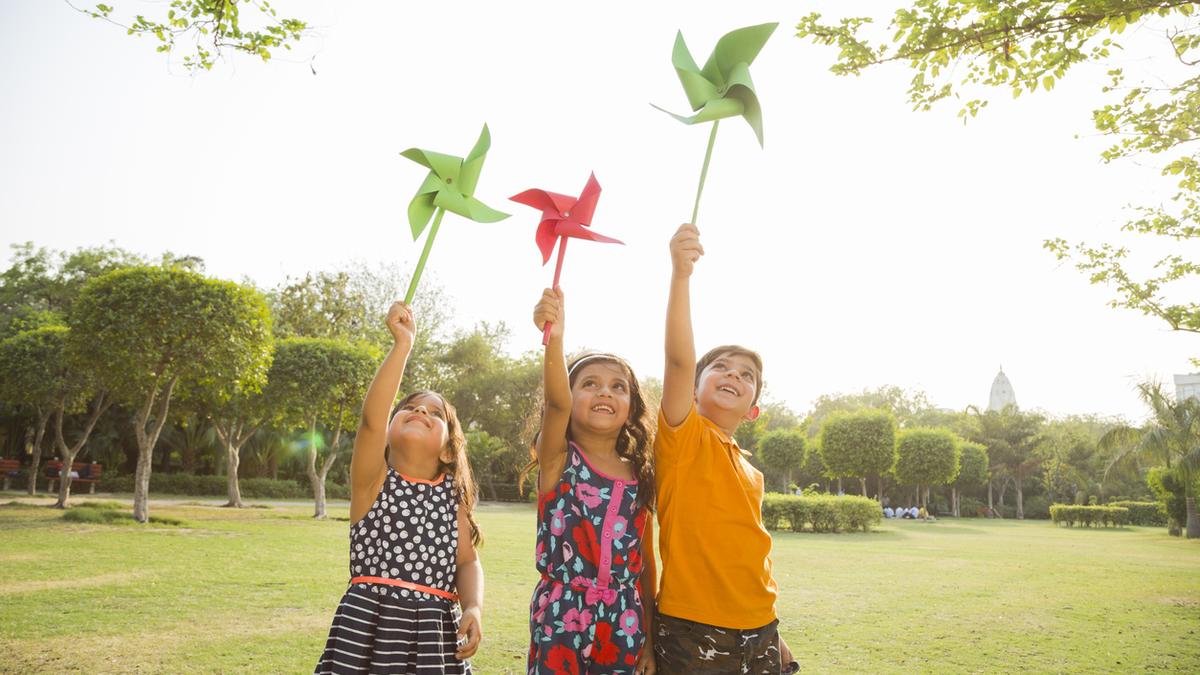
A child learns in many places, and a surprising amount of that learning happens well beyond the classroom, on a stretch of open ground, through rules invented on the spot, and through the latitude to resolve disagreements without an adult intervening. Modern education carries an important responsibility, preparing children for a future built on innovation, adaptability, and creativity. A meaningful share of that preparation originates somewhere easy to overlook, in the unscripted hours a child spends inventing, negotiating, and simply making something up.(Sign up for THEdge, The Hindu’s weekly education newsletter.)Across homes and educational institutions, childhood today comes with more structure than ever. Academic targets, coaching classes, and competitive activities, each one built with a child’s best interests in mind. There is real value in bringing more balance to that structure, making room for a child to simply decide what to do next. Unstructured time on the ground remains as present as ever. What warrants reconsideration is the place it occupies within our definition of education.Join THEdge LinkedIn groupPlay as the earliest form of learningRecreation is the word this kind of time usually earns, something reserved for after the real learning has already happened. It deserves a far bigger role than that. A child grasps curiosity before formulas, imagination before language. Long before anyone formally instructs a child in leadership, open-ended play has already provided considerable practice in it.
The playground is a classroom too
Explore the vital role of unstructured play in fostering creativity, adaptability, and essential life skills in children's education.
857 words~4 min read