In England, young children go from glitter clay and building dens to classrooms a Victorian would recognise – and that system is failing many of them
“C
hildhood doesn’t end the day you turn five,” Ruth Lue-Quee said to me on the phone as she shepherded her son to the playground this half term. “Playing is what children are born to do. It’s innate in them. It is how they learn.” The former deputy headteacher’s petition to make play-based pedagogy a core part of the key stage 1 (KS1) national curriculum in England has garnered almost the required 100,000 signatures for debate in parliament.
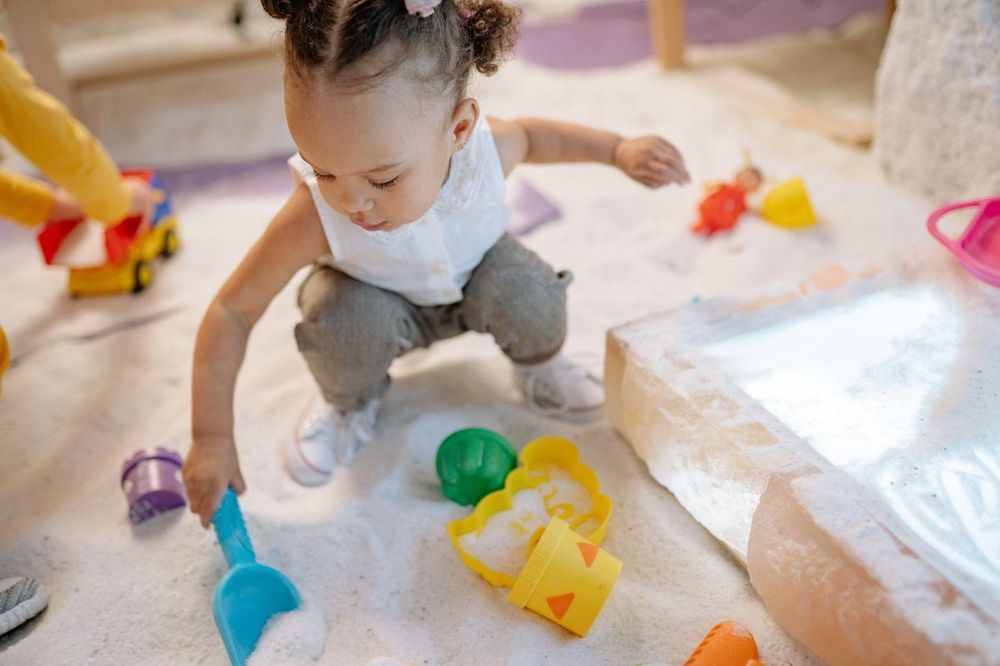
Observe any nursery or reception class and you’ll see what she means: kids roaming freely, modelling wet clay encrusted in glitter, playing pretend kitchen, banging on drums in the music cupboard. They’re interacting in an organic, self-guided way, moving around, using their imagination and following their own initiative. This is how the vast majority of early years pupils spend their time learning. Yet the moment a child finishes reception and begins year one, the English education system essentially dictates that playtime is over.
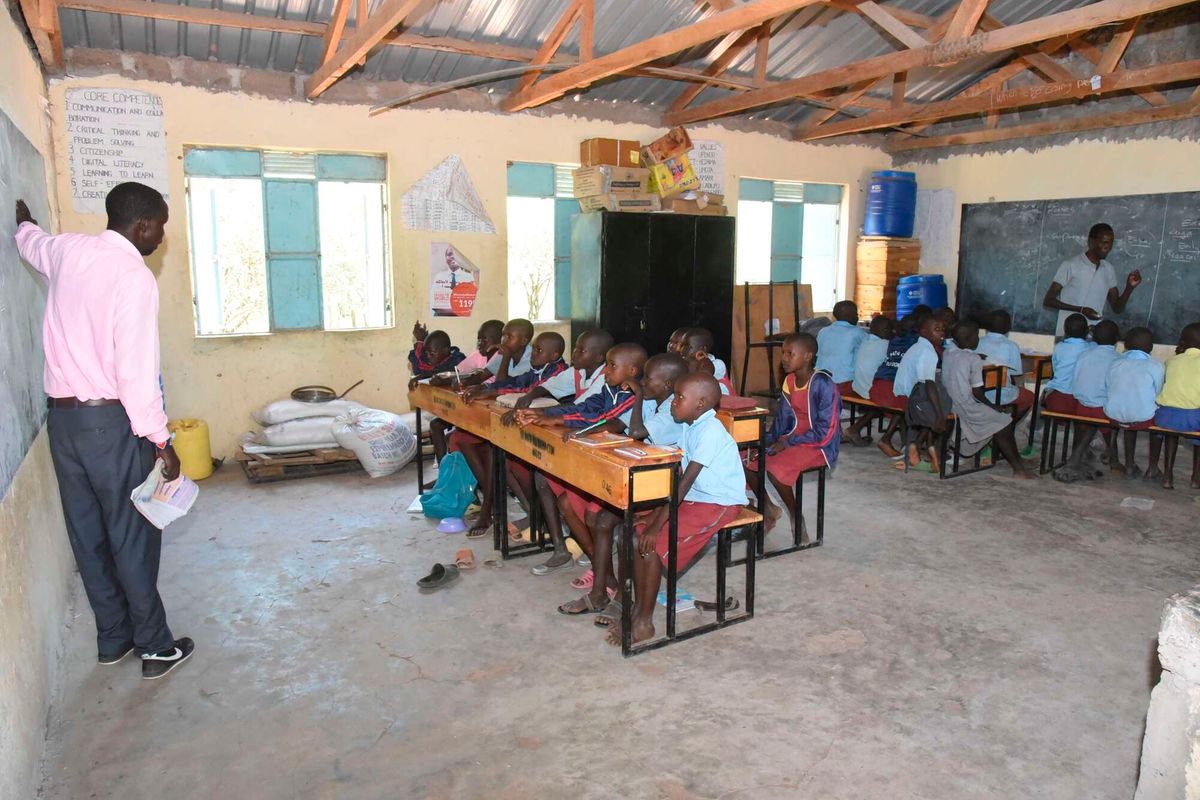
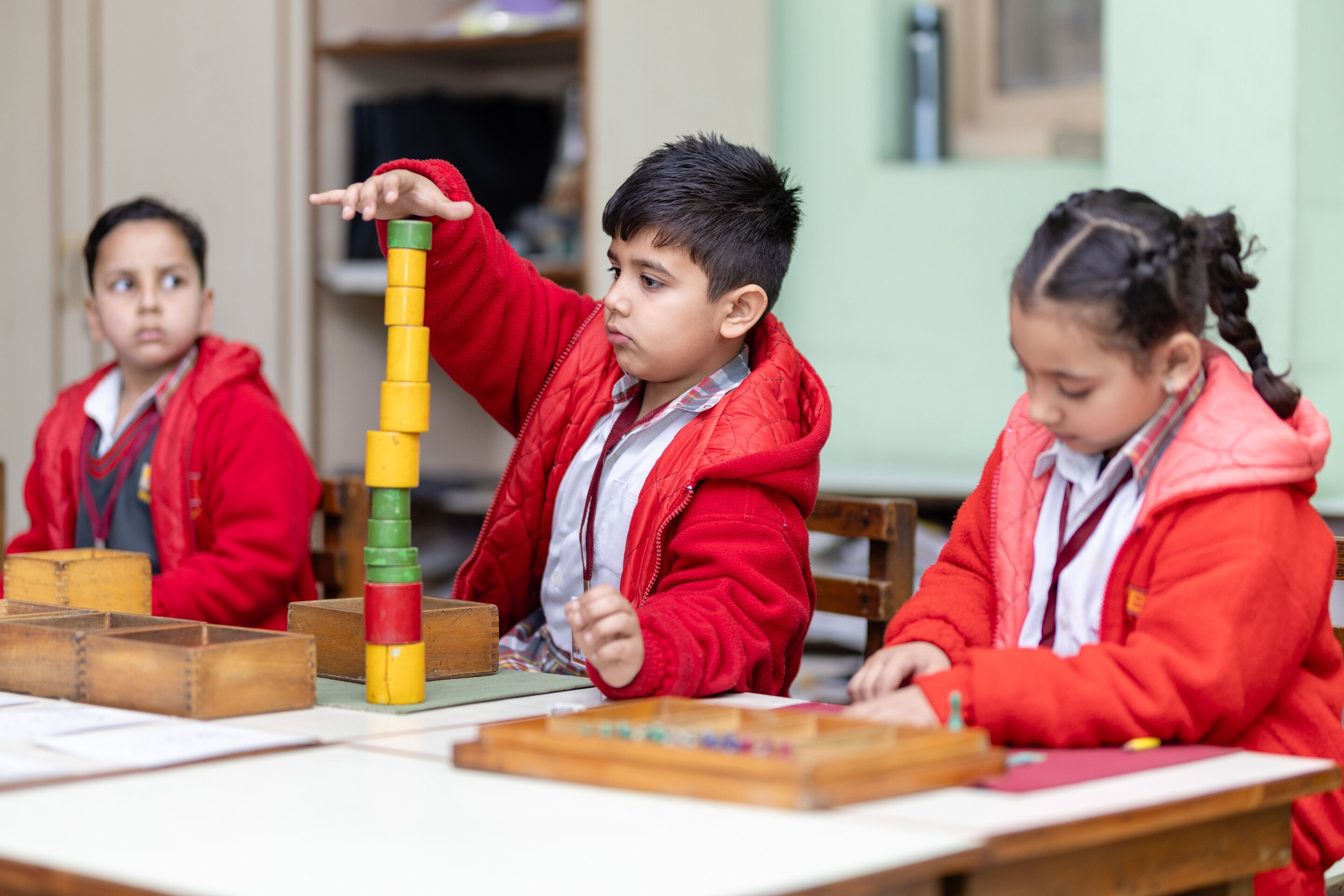
I’ve been touring schools for my son recently, so in some cases I have seen this shift from childhood to mini-adulthood take place before my very eyes. You exit a reception classroom alive with movement and chatter to enter one for the year above only to see a marked shift in atmosphere and environment. The children look so small to be sitting at their tables with a teacher standing at the front of the room delivering a maths or a phonics lesson. Like many others, I find myself wondering if we are setting them up to fail by pushing too much on them too soon, and by making them sit still when they want to move their bodies.