We have created the most stifling and sanitised imaginative space conceivable for children, says teacher Brendan James Murray. Today true imagination has become a radical act
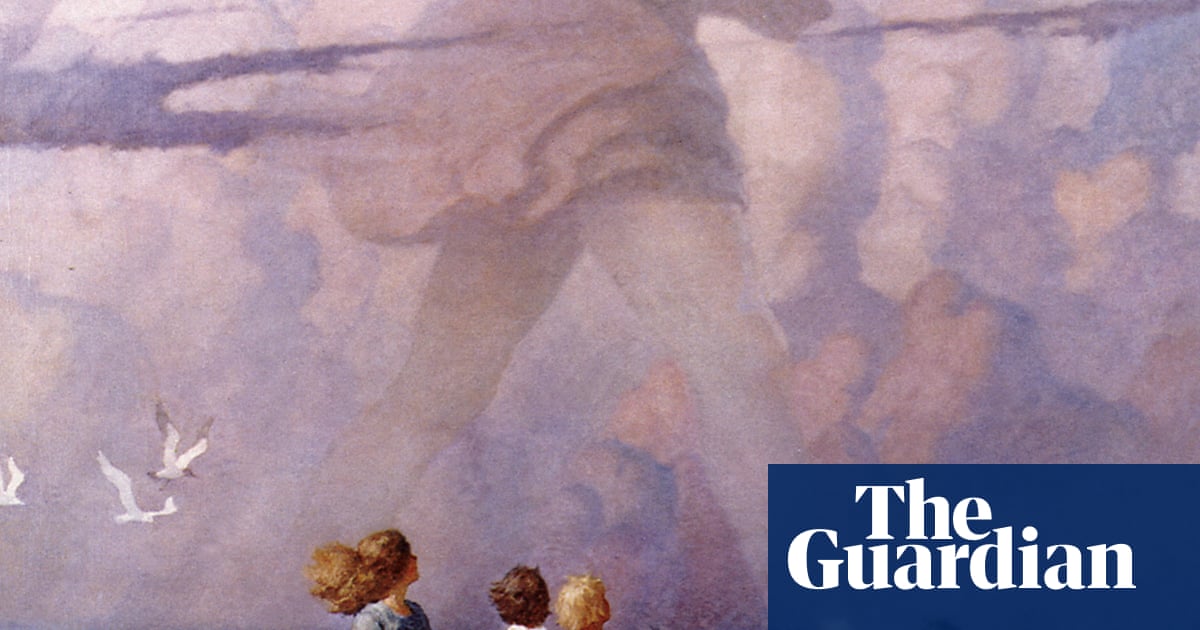
The six children sit together at the waterline in roaring wind. Seagulls dip and strain, beating their wings against the gusts as, far below, waves crest, thump, whisper. A girl, scarcely three years old, stands suddenly and looks out towards that horizon. Striding past them in the distance, his immense feet hidden beneath the rim of the horizon, is a giant.
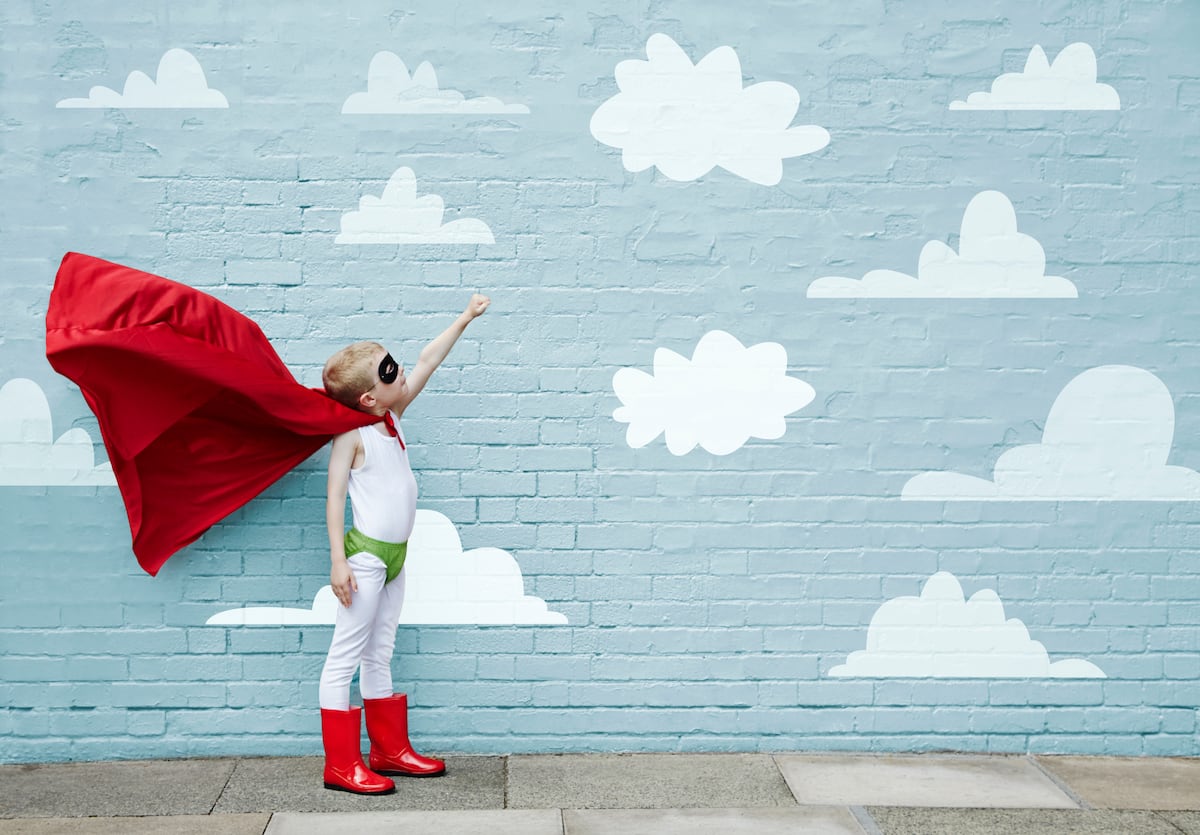
American artist NC Wyeth painted The Giant in 1923. The low angle emphasises the giant’s immensity, and all the children’s faces are turned away from the viewer. In this way, those children become anyone we care to transpose into this magical scene. What child has not lain in the grass to watch some cloud-image, an animal perhaps, gradually dissolve into the amorphous collection of water droplets that are its banal reality?
Why has Wyeth instilled this sense of nostalgic impermanence into his painting about imagination?
Almost every corner of western society views imagination as the domain of early childhood, those fleeting years when giants made of cloud seem possible. This explains why the word “imagination” disappears from Victorian education department curriculum documents well before children reach high school – not that it appears much prior to that.