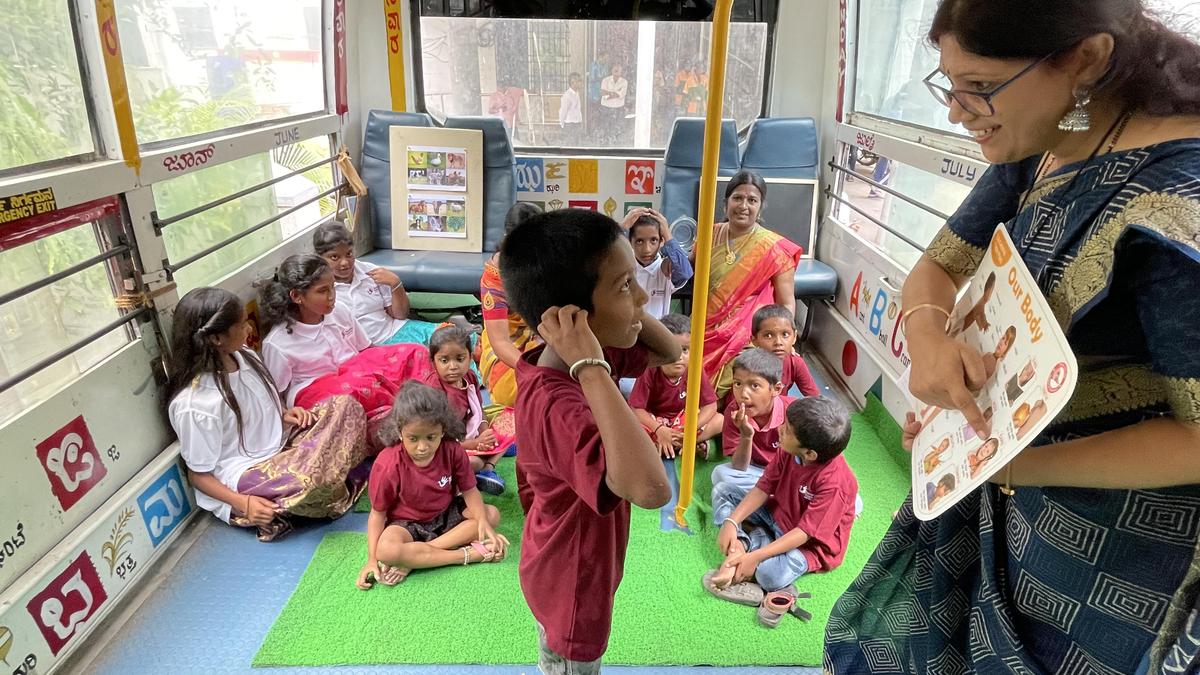
Maybe there’s room for something gentler: letting children know they don’t need to change any part of themselves to belong
M
ost mornings in our house feel like a friendly little language carnival spinning through the kitchen. Before the kids even put on their shoes for school, they’ve already cycled through three languages – joking in Hindi, arguing in Pashto and sprinkling English on top like chocolate chips tossed over their cereal.
We don’t plan it or rehearse it: it just happens. Pashto is the language of feelings and family business like complaints, alliances, who stole whose pencil, who touched the remote. Hindi came to us through the back door: Bollywood songs and movies playing in the background, cousins in Karachi and the kind of street-style banter the kids pick up from YouTube faster than I can keep track of. And English, of course, is the language that binds the whole day together with school notices, breakfast negotiations, reminders about homework.
The kids seem to choose the language that suits the mood: Hindi for humour, Pashto for passion, English for practicality. They switch so quickly that sometimes I feel as if I’m living inside a live-captioned sitcom. One of them will start a sentence in one language and end in another – a linguistic gymnastics routine they don’t even notice themselves doing.