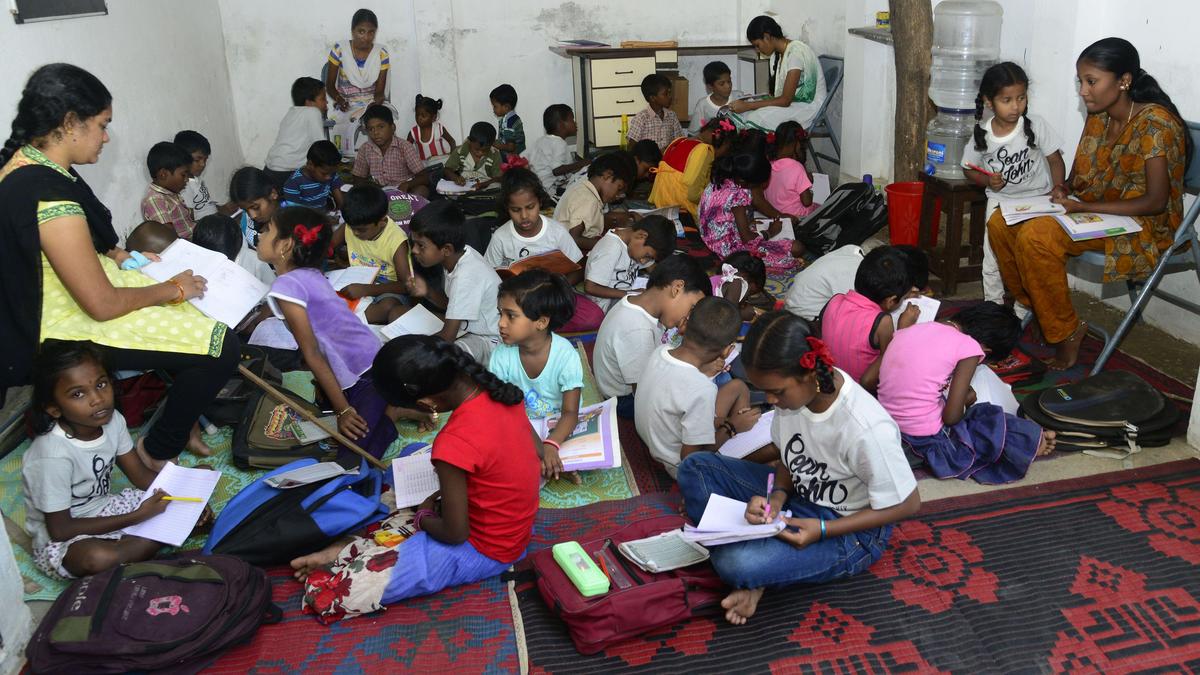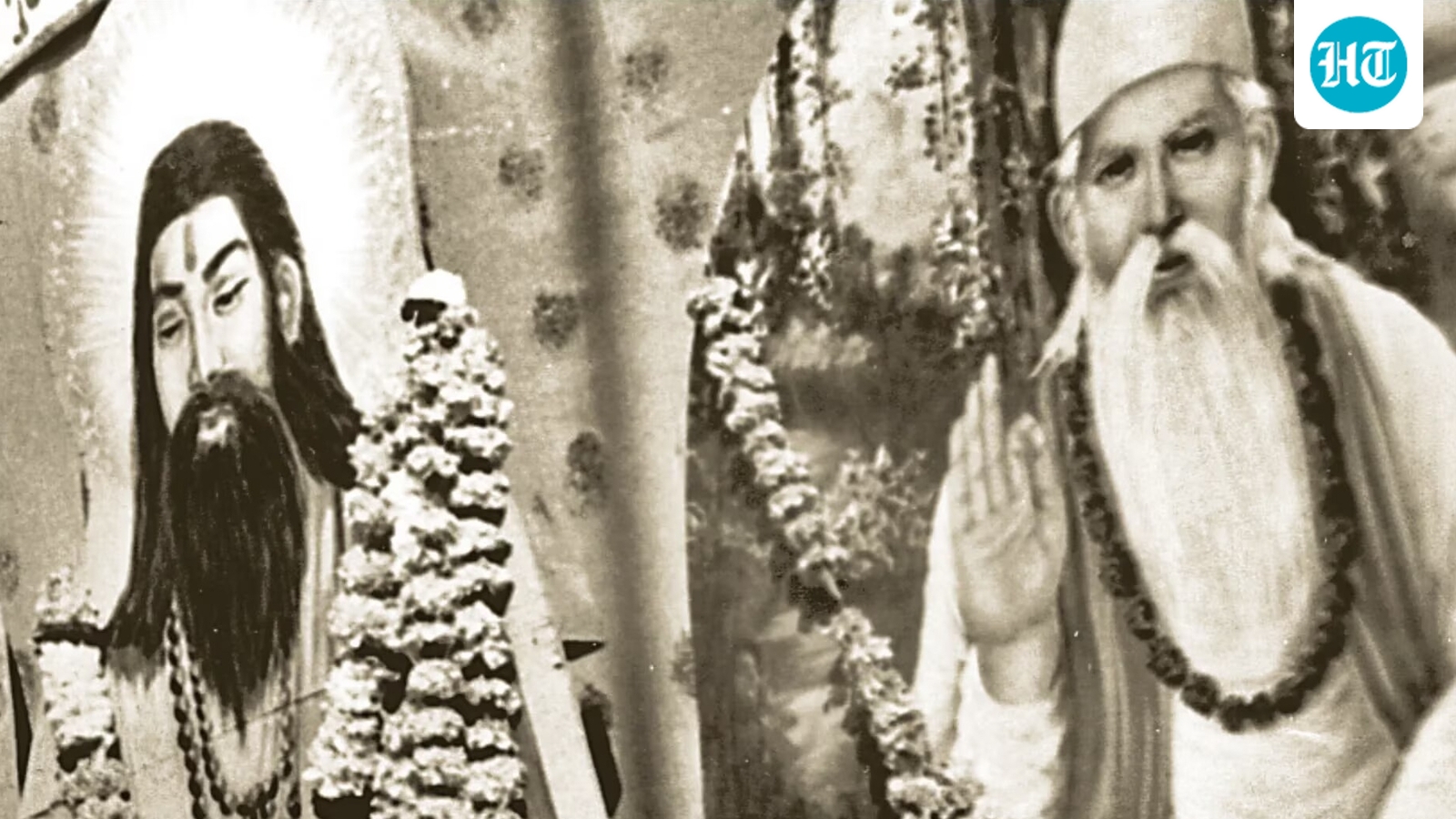
We have an enduring image of an idyllic ancient India with gurukuls that impart knowledge to all seekers. The very word ‘gurukul’ conjures a forest hermitage where a boy of any background studies obediently at the feet of a well-bearded guru. You find this image in textbooks, calendars, diaries, comic books, epics and TV shows. It is imprinted in Indian public memory.
The image evokes a sense of a perfect learning culture in the past, from which we supposedly declined because of invasions and colonialism. The fact is that there is little evidence of how widespread or effective gurukuls were at spreading knowledge.“Traditional” learning has often been thrown about as a solution to India’s education problems. Unfortunately, whether at Nalanda or the madrasas of Awadh, the education of the average Indian was rarely a priority for India’s rulers.
Ritual versus vocational
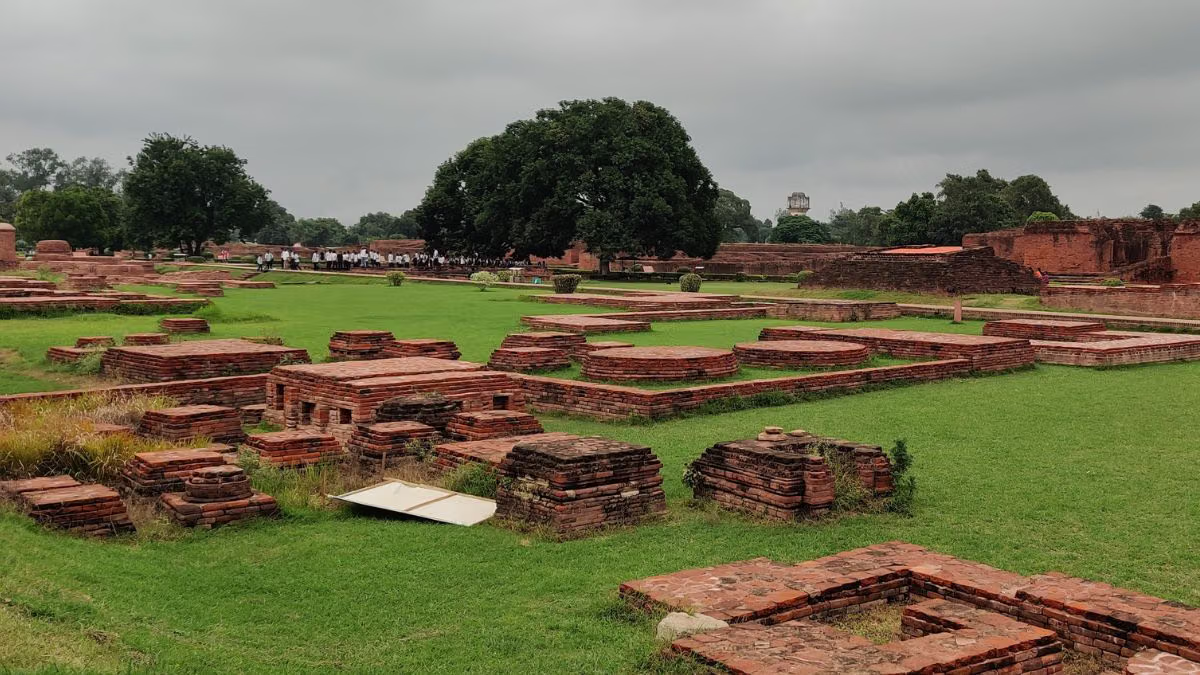
When the early Sanskrit epics and law books (dharmashastras) talk about education, they are very clear that they’re talking about elite circles — princes, sages, Brahmins. They never claim to be concerned with the average Indian’s education: that’s our projection.In fact, the dharmashastras are uncompromising on cultivators (Shudras) being kept away from sacred knowledge. For example, the Gautama Dharmasutra demands that a Shudra who listens to the Veda have his ears filled with molten tin. One who recites it should have his tongue cut out. One who retains it should be cut in two (XII.4). This isn’t to say that Indians couldn’t get any education if they weren’t part of the elite. Vocational education happened on the job and was transmitted within families and castes, not in public schools. But this didn’t provide many opportunities for mobility.So whose education did rulers actually fund? Early states needed ritual services, so that’s what they invested in. The 8th-century king Karunandadakkan, for example, endowed 95 seats for a school (śālai) by Vedic lineage: 45 to the Paviliya branch, 36 to the Taittirīya, and 14 to the Talavakāra. Nalanda, the great Buddhist mega-monastery that drew scholars from Tibet, China and Java, conducted an oral admission test demanding command of Buddhist and Vedic scripture.The graduates of these schools were in demand across Eastern Asia. But from the 11th century, as I have argued in an earlier column, Indian states grew more complex, and rulers wanted not just priests but also accountants. Nalanda began to lose its funding around the same time that Brahmin and Kayastha families, wielding bureaucratic skills, spread as a revenue-collecting, record-keeping cadre across the subcontinent. From this point on, the trained bureaucrat would receive increasing state support.