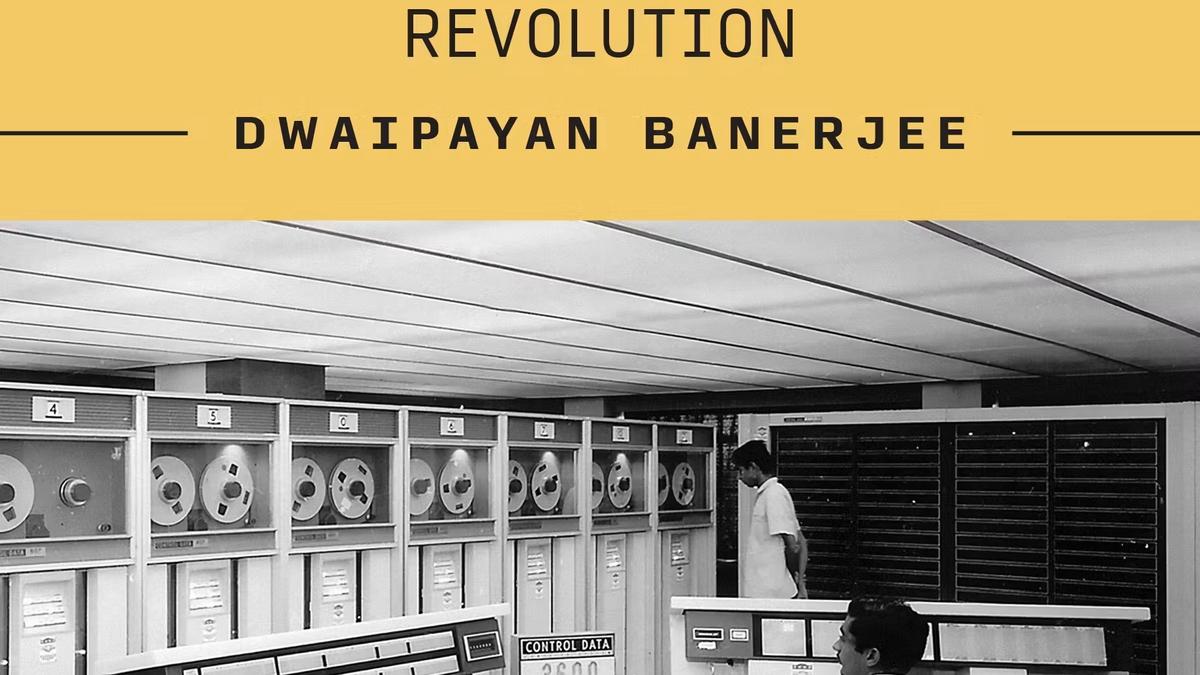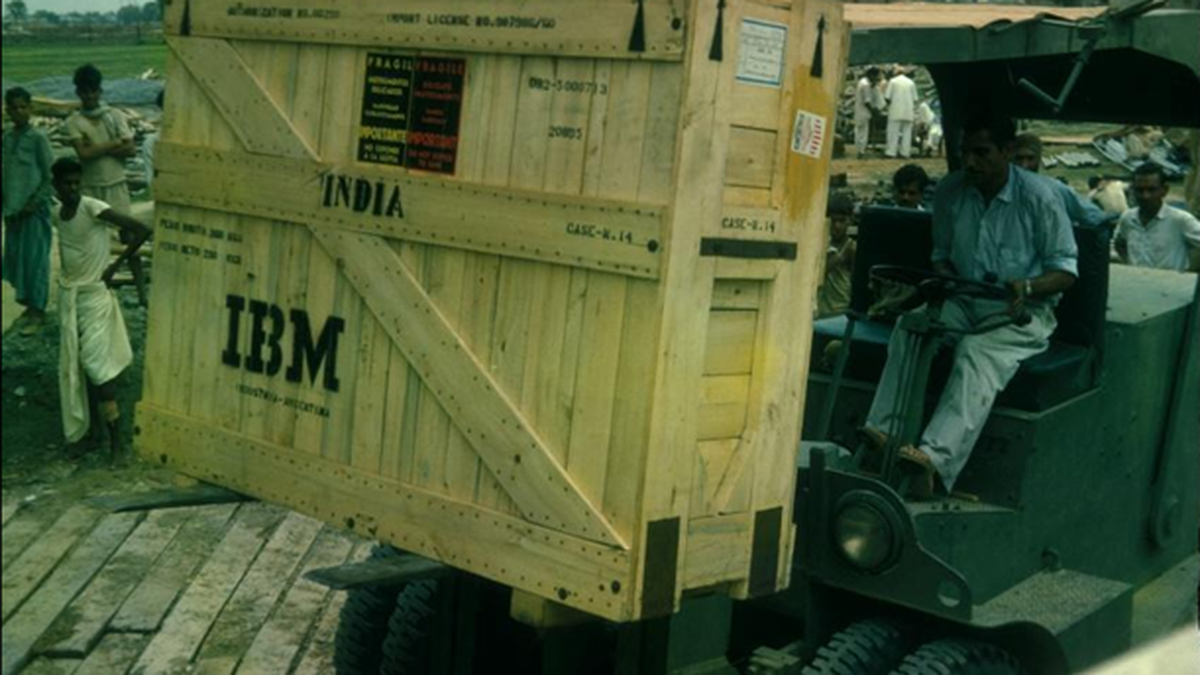
Take a look around your school or college computer lab. Chances are you’ll find at least one strict rule that doesn’t exist anywhere else on campus: remove your shoes before entering.Strange, isn’t it? After all, nobody asks you to take off your shoes before entering a science lab, a maths classroom or the library.Yet this rule, along with the requirement to write out your code in a notebook before touching a keyboard, has survived for decades. Most of us comply without ever stopping to ask why.As it turns out, these familiar classroom habits are not just random quirks. They have their roots in the early days of computing in India, a time when computers filled entire rooms, computer time was precious, and one of the country’s first educational computers arrived at IIT Kanpur on a bullock cart.The monsoon of 1963To understand how these traditions began, we need to travel back more than six decades. In 1963, computers were not devices that sat casually on desks or slipped into backpacks. They were room-sized machines that cost a fortune, required extensive infrastructure, and were operated by trained staff.That year, IIT Kanpur became one of the first educational institutions in India to offer computer science education after receiving an IBM 1620, a computer commonly used in American universities. The machine was part of the Kanpur Indo-American Programme (KIAP), a collaboration between IIT Kanpur and a consortium of leading U.S. universities, including MIT, Princeton, Purdue and UC Berkeley.
How India’s first educational computer arrived on a bullock cart
Discover the intriguing journey of India's first educational computer to IIT Kanpur and the origins of enduring lab traditions.
1,107 words~5 min read