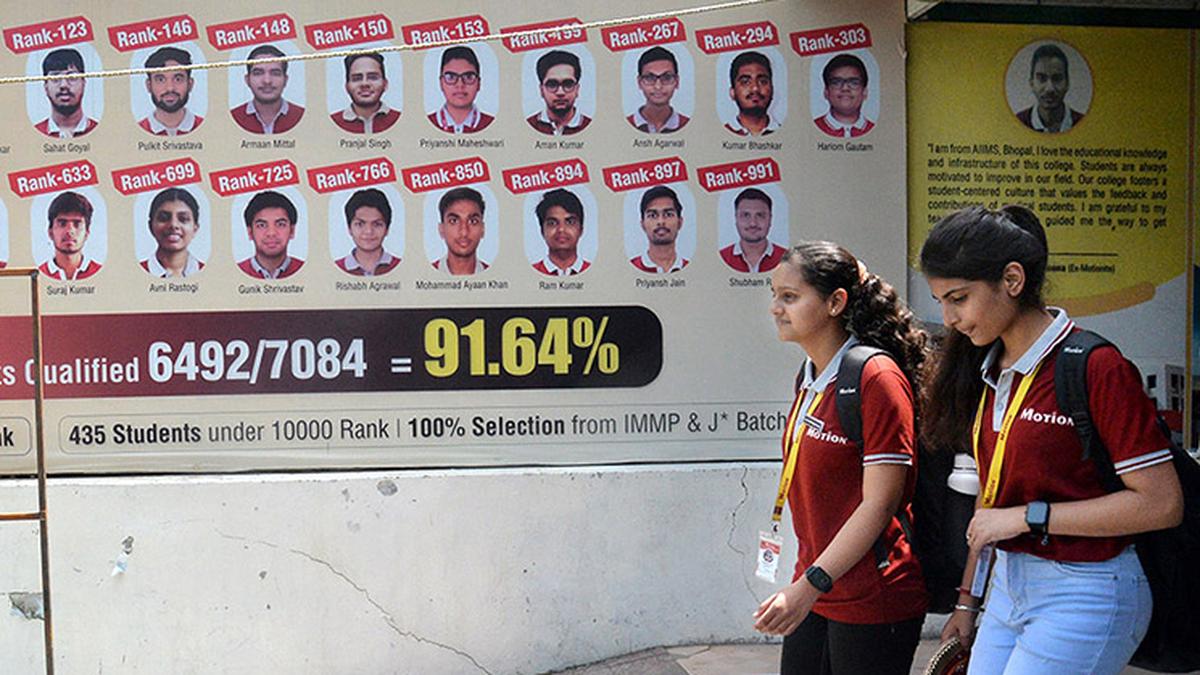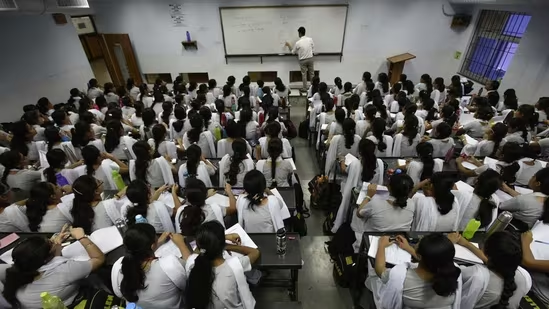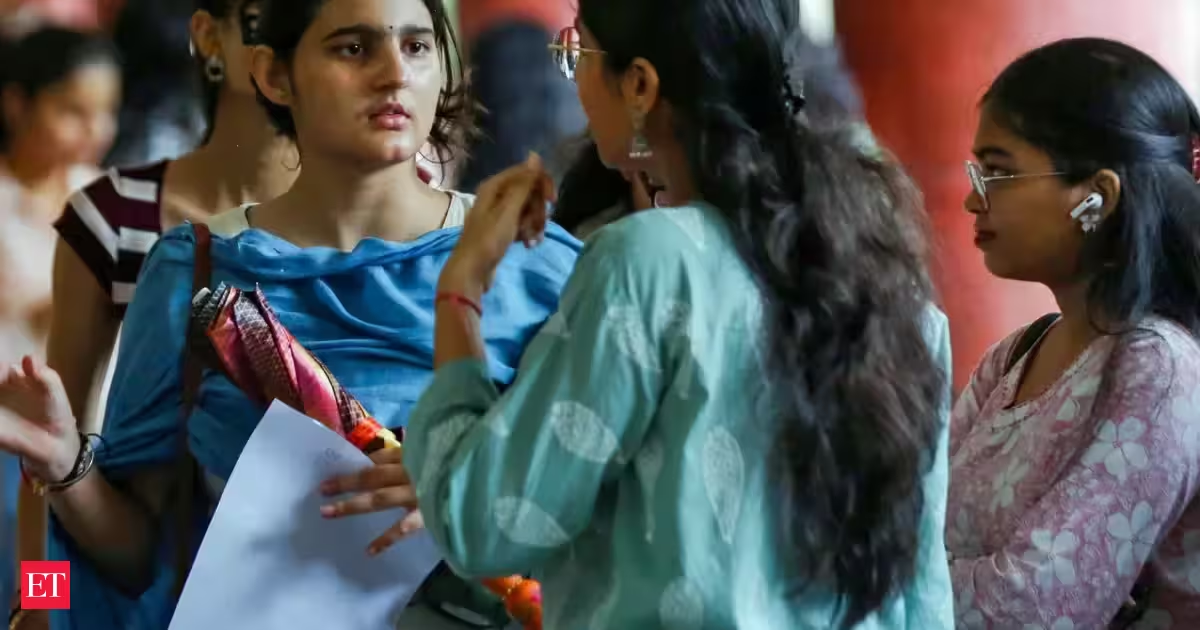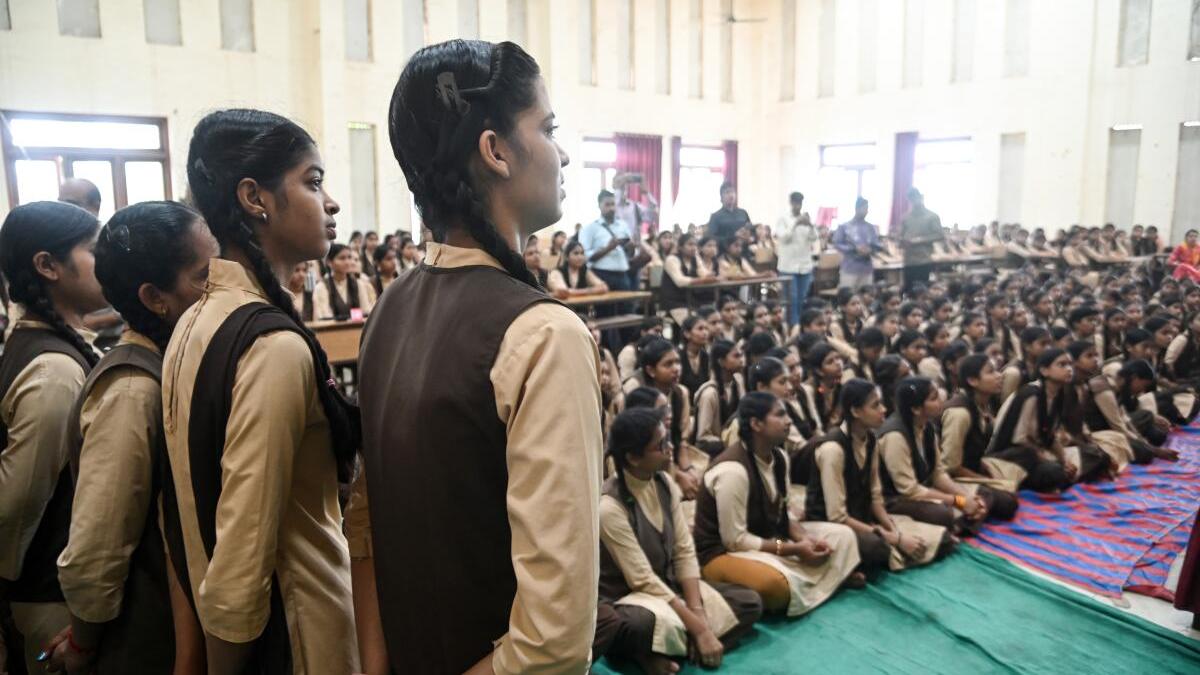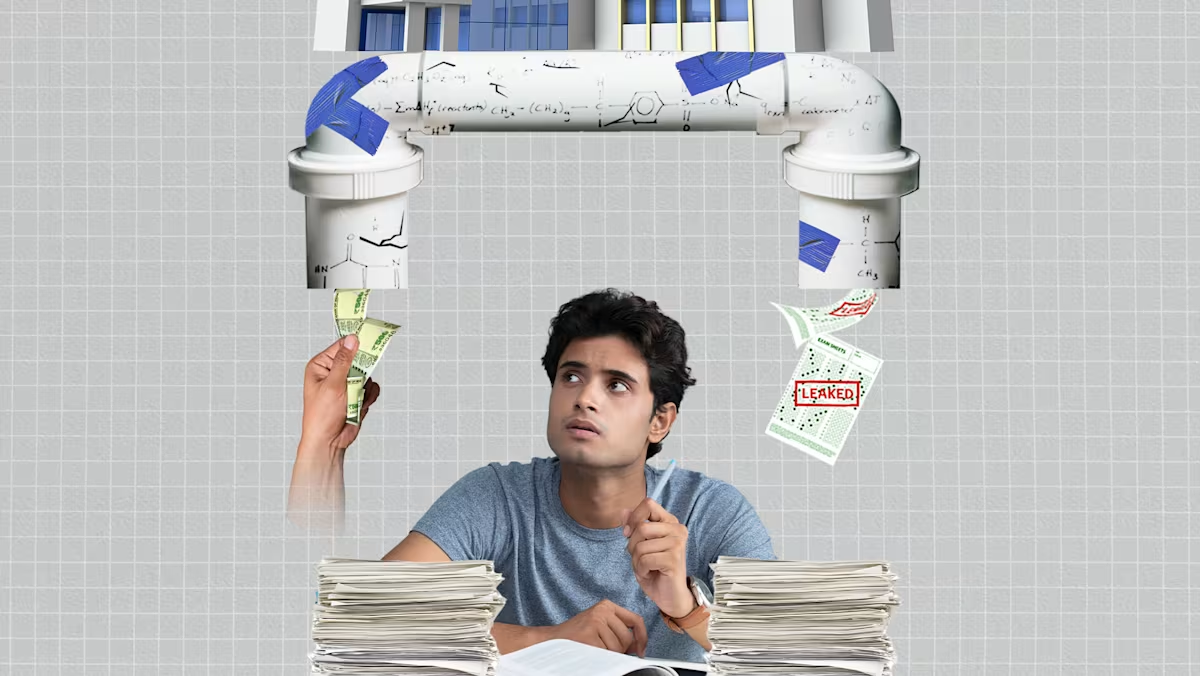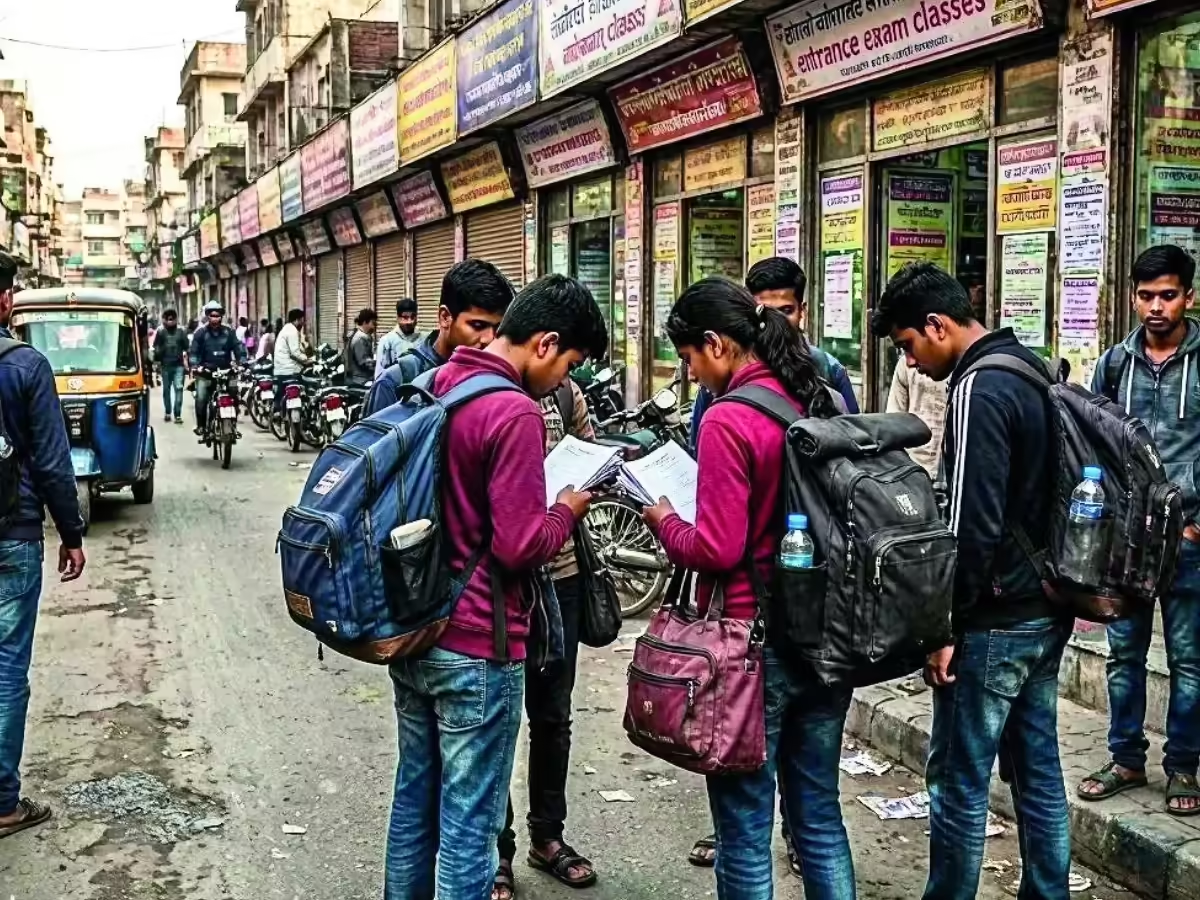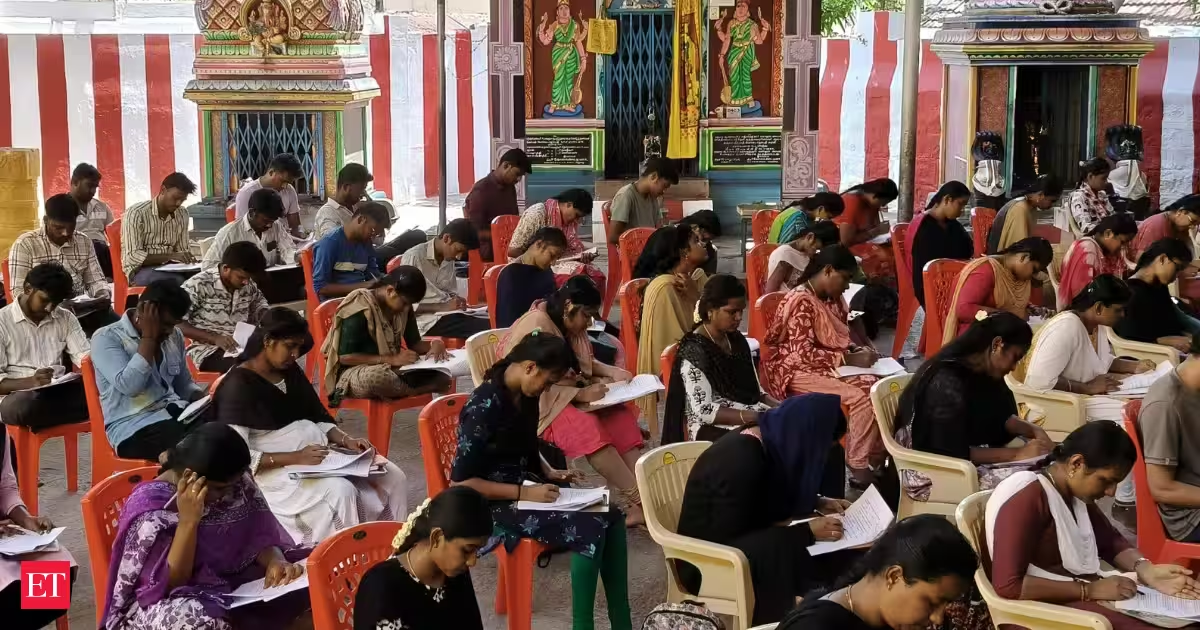
27% of India’s schoolchildren are paying for lessons outside school. The Hindu reported in September that children enrolled in private coaching are concentrated in the east of the country. Tripura is the highest at 79%, West Bengal comes second at 75%.(Sign up for THEdge, The Hindu’s weekly education newsletter.)What nobody has asked is why. A common reasoning is that tuition is a luxury, and students from richer families can afford it. Therefore, it’s more likely that students from richer States could afford it easily. Using unit-level data from the Comprehensive Modular Survey on Education 2025, a nationally representative survey of 52,085 households conducted by the National Statistics Office, we tested this claim. The data show that this claim is wrong and also reveal a complicated picture of who India’s coaching economy actually serves.Join THEdge LinkedIn groupMoney does not explain the mapWe plotted every State’s coaching rate against its per-capita income, and no pattern emerges. If anything, the relationship runs backwards: poorer States have more students opting for coaching. However, this explanation falls short.Look at the individual cases, and you see why. Delhi is among India’s wealthiest States and sits mid-table at 39%. Bihar, among its poorest, records 53%. Kerala, which has high income and high literacy, sits at 28%. Karnataka and Himachal Pradesh, both prosperous, sit at 8%. Hence, income is not the only factor influencing the coaching belt.
Geography and caste shape access to private coaching in India
Complex factors are influencing coaching access for Indian schoolchildren, with geography and caste as key determinants.
873 words~4 min read