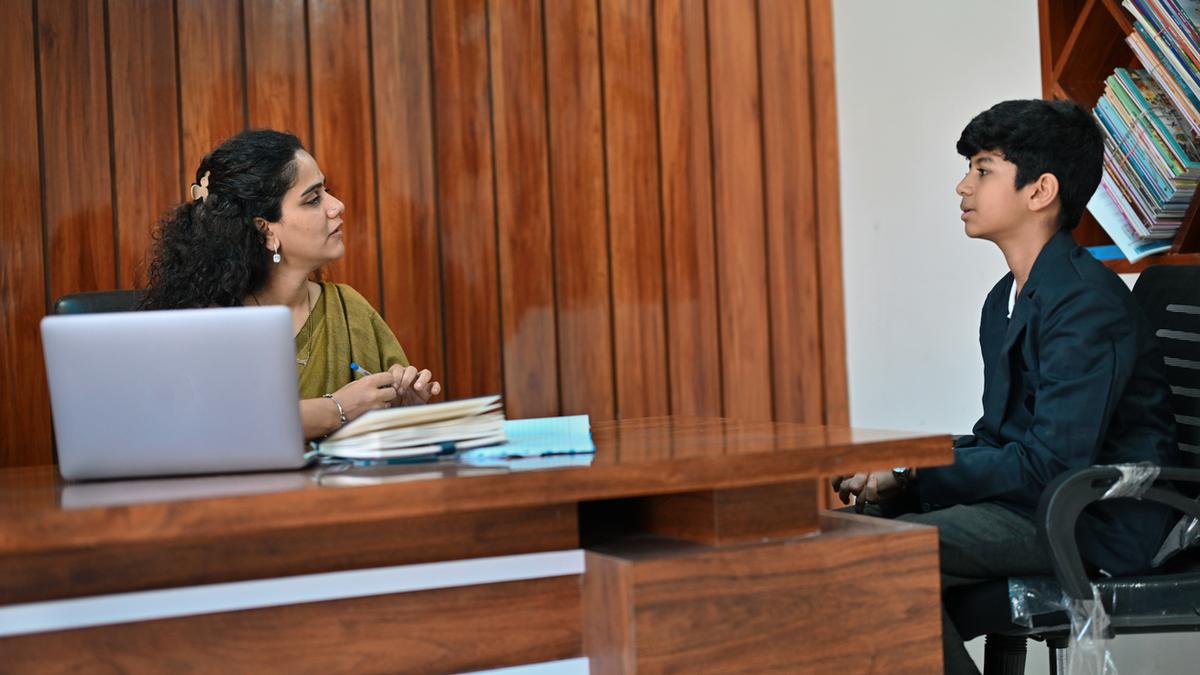
Over the past two decades, India has transformed its education landscape. We have brought millions more children into classrooms, expanded access to schooling across the country, and rightly shifted the national conversation from enrolment to learning outcomes. Today, we are asking an important question: how do we ensure every child learns well?(Sign up for THEdge, The Hindu’s weekly education newsletter.)But perhaps there is another question we need to ask first.Can children truly learn if they do not feel emotionally safe enough to do so?Today’s children are growing up in an environment unlike anything previous generations experienced. Academic pressure begins earlier, the digital world has blurred the boundaries between school and home, comparison has become constant, and many young people are navigating loneliness, anxiety and uncertainty about the future. According to the United Nations, around half of all mental health conditions begin before the age of 14, making childhood one of our greatest opportunities for prevention and early support.Join THEdge LinkedIn groupThe COVID-19 pandemic also reminded us of something we had perhaps taken for granted. Schools are far more than places where children learn mathematics, science or languages. They are where children learn to build friendships, navigate disagreements, cope with disappointment, develop confidence and discover who they are. When classrooms closed, parents and educators alike realised just how much of a child’s growth happens beyond the curriculum.This understanding is also reflected in India’s National Education Policy (NEP) 2020, which calls for an education system that nurtures the cognitive, social, emotional and ethical development of every child. Holistic development is no longer an aspiration– it is central to India’s vision for education. As we work towards improving learning outcomes, mental well-being can no longer be seen as a peripheral issue in education; it is one of its defining priorities.Learning begins with wellbeingFor too long, education and mental health have been treated as separate conversations. In reality, they are deeply interconnected. A child experiencing anxiety, chronic stress or emotional distress will inevitably struggle to concentrate, retain information, participate confidently in class and build healthy relationships. Learning is not simply a cognitive process; it is deeply influenced by how safe, supported and connected a child feels.The evidence increasingly reflects what educators have long observed in classrooms. Research on Social and Emotional Learning (SEL) programmes shows that students participating in these programmes demonstrate an 11 percentile-point improvement in academic achievement, alongside stronger emotional regulation, healthier relationships and better classroom behaviour. Emotional wellbeing is therefore not simply an outcome of education; it is one of the foundations upon which meaningful learning is built.As India continues to invest in foundational literacy and numeracy, we must also recognise that emotional foundations matter just as much. The NEP’s emphasis on holistic development recognises an important reality: education must nurture the whole child, not only academic achievement. Emotional wellbeing deserves to be viewed through the same lens.Early intervention through schoolsSchools are where children develop far more than academic knowledge. They learn to build friendships, navigate conflict, manage disappointment, collaborate with others and develop resilience. These seemingly ordinary moments—from resolving disagreements and coping with disappointment to navigating the complexities of friendship, shape children’s emotional development just as much as any lesson in the classroom.Teachers often notice subtle changes in behaviour long before anyone else does. A child who suddenly becomes withdrawn, unusually irritable or reluctant to participate may be communicating something words cannot express. This does not mean teachers are expected to become counsellors. Rather, schools provide India’s largest and most consistent platform for recognising concerns early and connecting children to appropriate support before challenges become crises.With more than 248 million children enrolled in schools across the country, India’s education system represents one of the most powerful platforms we have for promoting lifelong mental wellbeing. One practice helps. Every child should be given the opportunity to spend time with the school counsellor, not because every child needs counselling, but because every child deserves to see emotional wellbeing as a normal part of growing up. These interactions are designed to build familiarity and trust, not to suggest that something is wrong. By making them universal, we help remove the stigma often associated with seeking support, making conversations about mental wellbeing just another part of school life.The strongest investment is the one we make before children reach crisis pointJust as India recognised that investing in foundational literacy and numeracy during the early years shapes lifelong learning, we must apply the same thinking to emotional wellbeing. Emotional literacy, resilience, healthy coping mechanisms and supportive relationships should not begin only when children are in distress. They should be nurtured from the earliest years, before problems become crises.Teaching children how to identify and express emotions, resolve conflicts respectfully, manage disappointment, ask for help and support one another is every bit as important as teaching reading and mathematics. These skills strengthen not only individual well-being but also learning, relationships and future participation in society.The World Health Organisation estimates that every U.S. $1 invested in treating common mental health conditions generates a return of U.S. $43 through improved health and productivity. The principle is equally relevant in education: investing early in children’s emotional well-being creates lasting value for individuals, families, schools and society as a whole.Investing in mental wellbeing is not about adding another programme—it is about redesigning school cultureOne of the biggest misconceptions about supporting mental wellbeing in schools is that it requires expensive infrastructure or specialist programmes. In reality, culture matters far more than cost.Prepare children for lifeAn emotionally healthy school is built through hundreds of everyday interactions. It is shaped not only by teachers, but by every adult a child encounters, from the security guard who greets them each morning and the receptionist who welcomes them by name, to the librarian, sports coach and support staff who make them feel seen, valued and safe. Culture is created collectively, and every interaction contributes to a child’s sense of belonging.Simple practices can have a profound impact: beginning the day with a classroom check-in, creating opportunities for circle time, integrating social and emotional learning into everyday lessons, supporting children through key transitions, equipping teachers to recognise early signs of distress, partnering with parents, and ensuring every child has at least one trusted adult in school.These are not additions to education. They are part of what excellent education looks like.Children cannot thrive academically if they are struggling emotionally. Schools have always shaped far more than academic outcomes. They nurture confidence, empathy, resilience, curiosity and character qualities that will determine how young people navigate an increasingly complex and uncertain world.India has spent decades ensuring that every child has access to a classroom. The next chapter of our education journey must ensure that every child also feels safe, supported and able to flourish within it. This is entirely consistent with the vision of the National Education Policy, which recognises that education is about developing capable, compassionate and resilient young people, not simply producing examination results.(By Vasvi Bharatram, Founder Chairperson, IMHA and Joint Vice Chairperson, The Shri Ram Schools)
Schools can become first line of mental health support
As India continues to invest in foundational literacy and numeracy, we must also recognise that emotional foundations matter just as much. The NEP’s emphasis on holistic development recognises an important reality: education must nurture the whole child, not only academic achievement.
1,167 words~5 min read