Schooling is a universal right and the state alone can guarantee access and quality
| Photo Credit:
L Kanthimathi
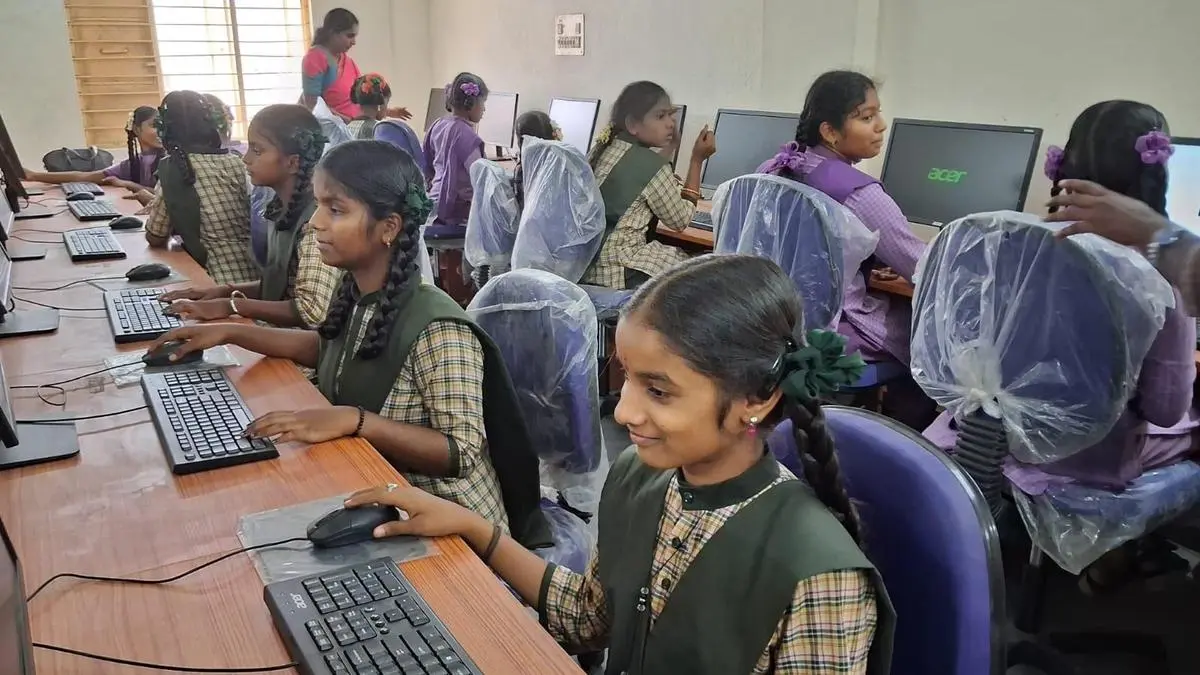
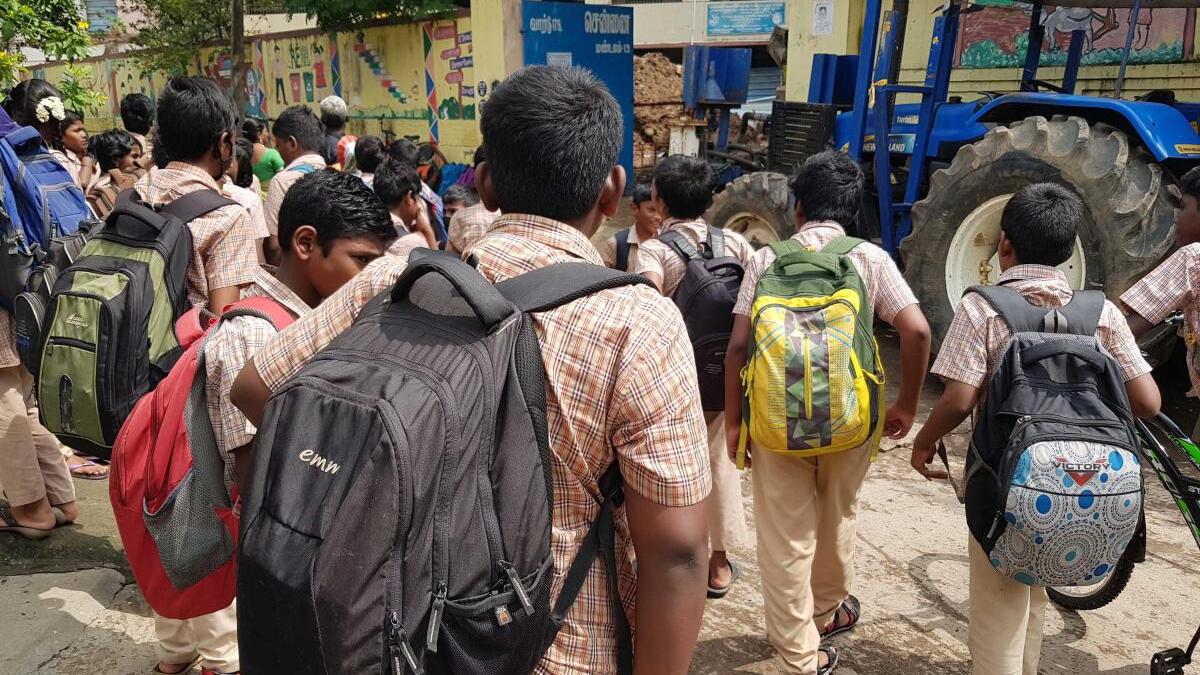
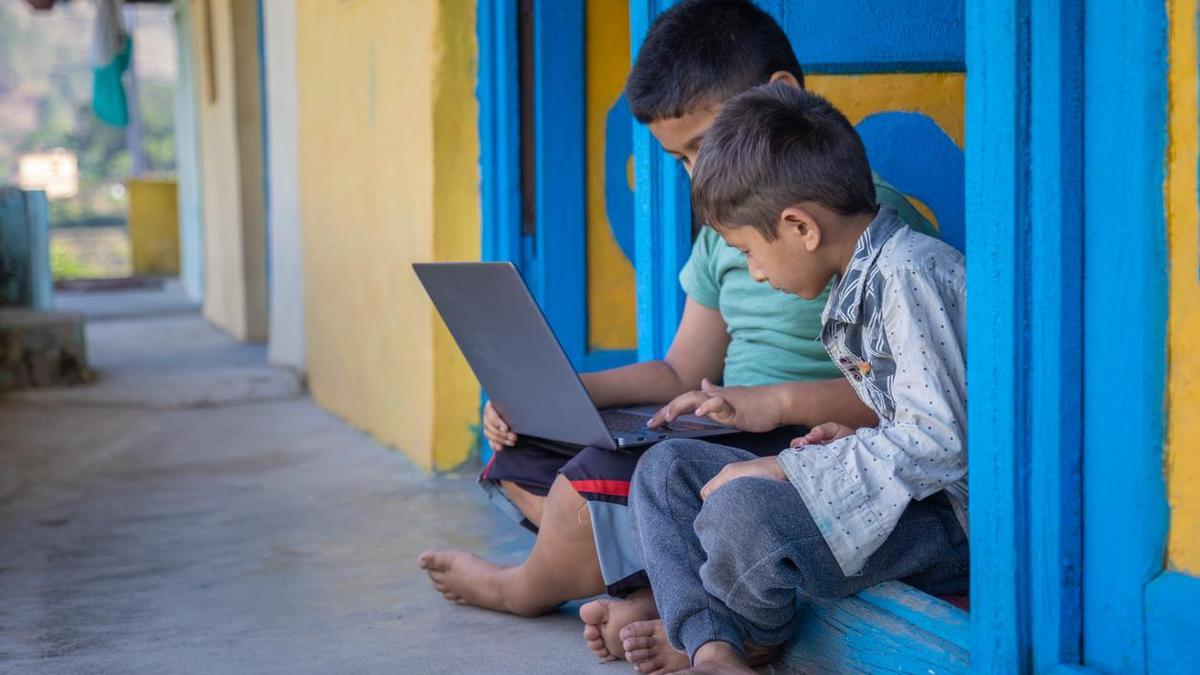
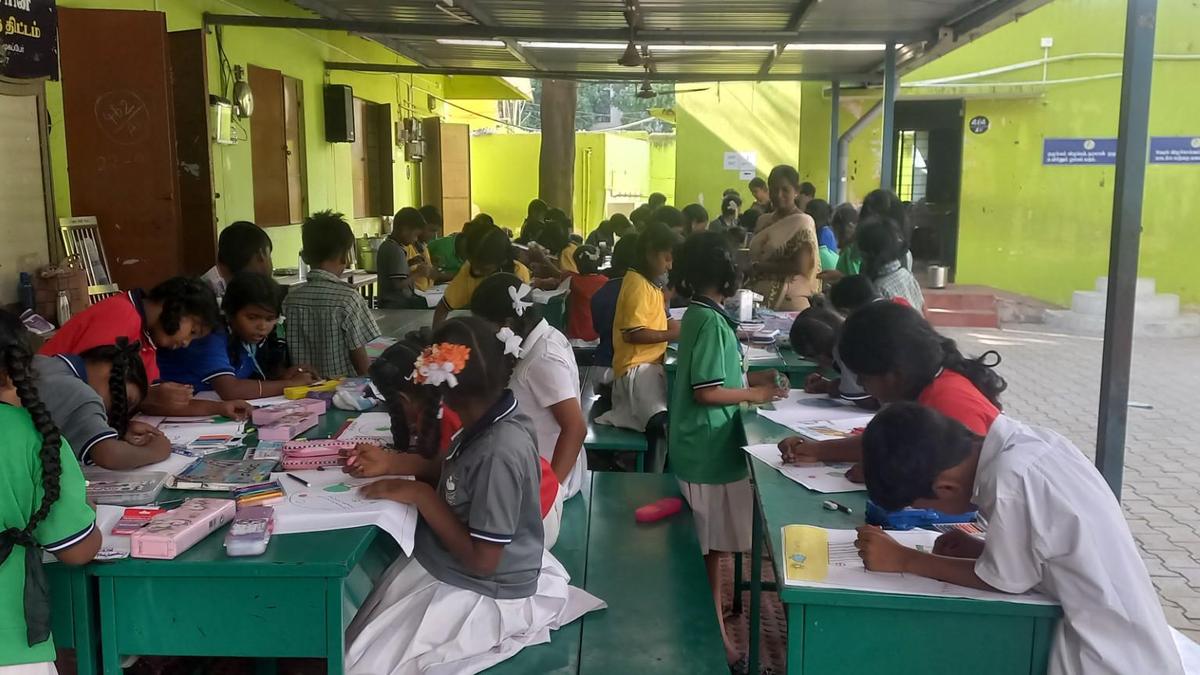
In recent times, India’s higher education system has been in the spotlight for unfortunate reasons. The recently released Unified District Information System for Education Plus (UDISE+) does not paint a flattering picture of school education either. A poor foundation does skew access to learning at the higher level.The UDISE+ report covers over 14.8 lakh schools, 1.02 crore teachers and 26 crore students. There can be no denying the improvement in basic metrics such as Gross Enrolment Ratio, retention ratio and pupil-teacher ratio in recent years, but the overall situation is deeply unsatisfactory. Thousands of schools operate with no students, while others manage with a single teacher saddled with multi-grade classrooms. Though zero-enrolment schools have dropped from 7,993 the previous year, they remain stubbornly high at 5,663. At the same time, the number of institutions compelled to function under a single-teacher still exceeds one lakh.Some States have done well on these two metrics, notably Assam, Nagaland, and Tripura in the North East, as well as Telangana and Himachal Pradesh. West Bengal stands out as a stark example of failure, accounting for 4,133 zero-enrolment schools that hold 19,502 teachers hostage to empty classrooms. This is a case of public money being wasted to pay teachers who have no students to instruct. The State also houses 6,769 single-teacher schools catering to 2.3 lakh children. Andhra Pradesh has a different version of this mismatch; while it has very few zero-enrolment schools, it has a staggering 16,357 single-teacher schools. In Jharkhand and Maharashtra, hundreds of thousands of students are left at the mercy of understaffed setups. The pupil-to-teacher ratio of 24:1 at the national level is a mere statistic for students who have to contend with a single teacher handling multiple grades. States are yet to act decisively on school rationalisation through mergers or teacher redeployments. The 20,667 teachers in schools without enrolments must be redeployed in schools that have only one teacher. Where quality multi-grade teaching is absent, high dropout rates at the secondary and higher secondary level are an unsurprising consequence — a friction point evident in the 7 per cent dropout rate at the secondary level nationally, the highest across educational levels. However, the impact of commercialisation on drop-out and retention rates should be taken into account as well. The paucity of teachers in some States may be a result of a fiscal squeeze, driven by revenue deficit reduction.As a result, teachers going solo have to handle pedagogy, administration, and mid-day meal operations. Finally, decent schooling is a universal right, and it has broadly been established that the state alone can combine both access and quality. The southern States have done better in this respect. The prevailing discontent over the education system cannot be addressed without going right back to schools.Published on July 28, 2026