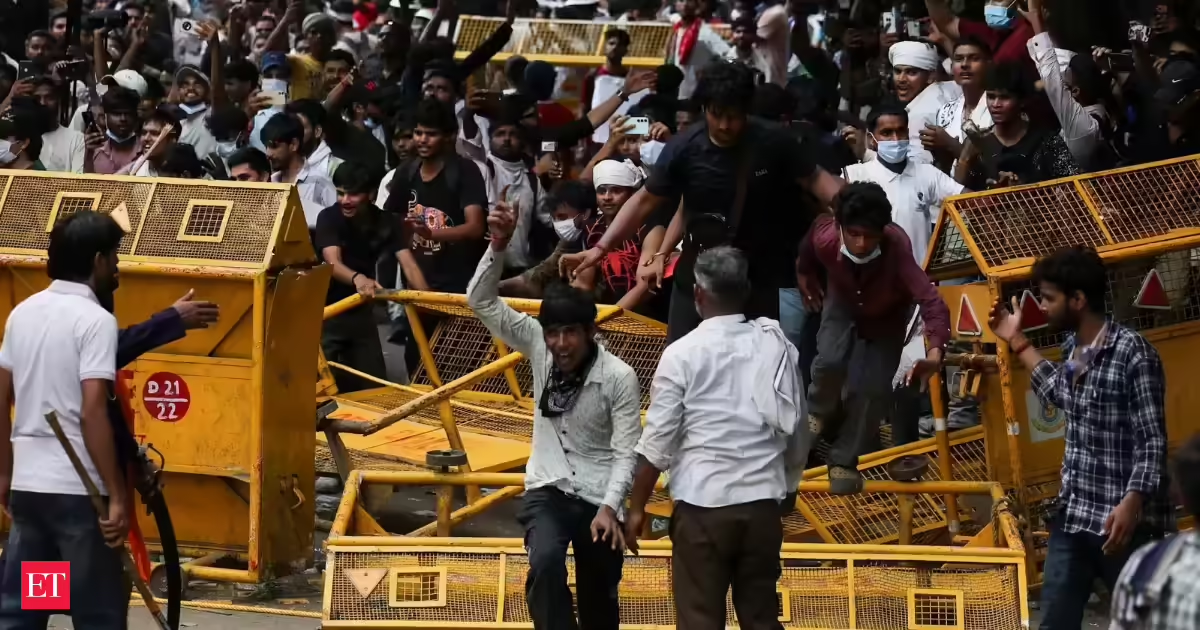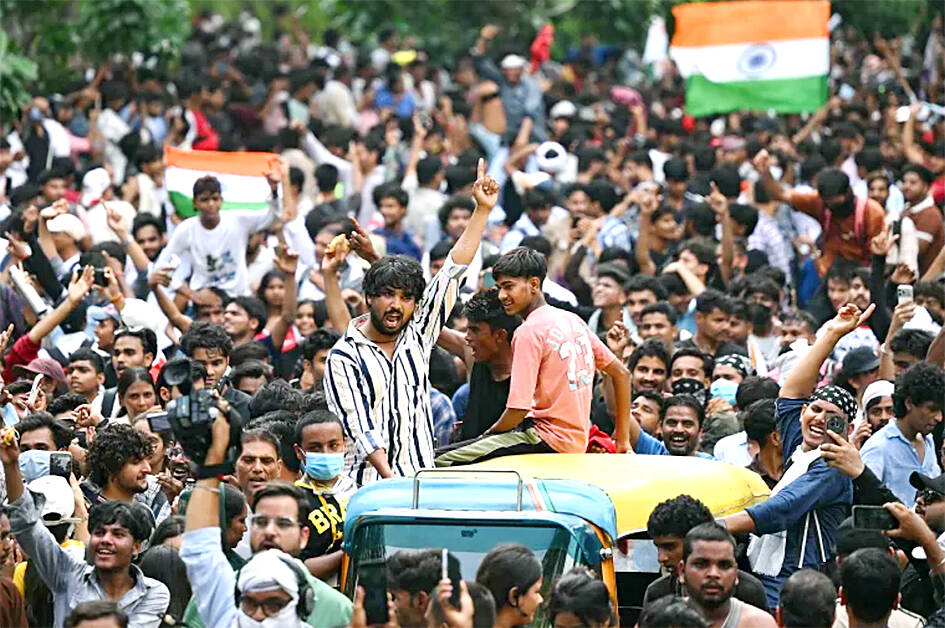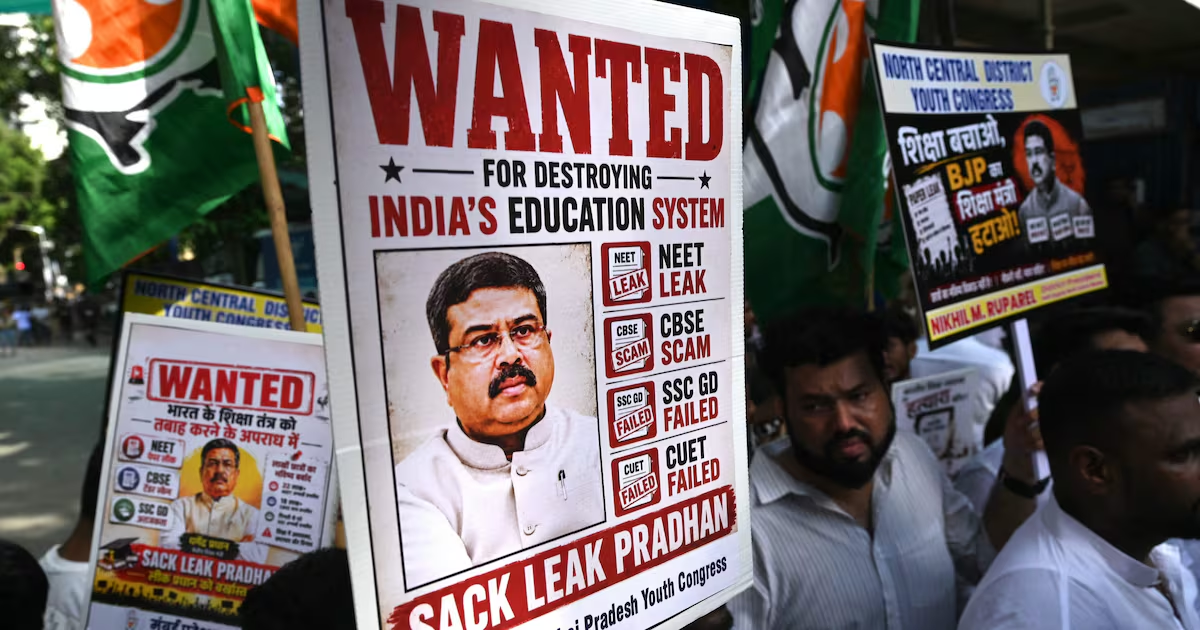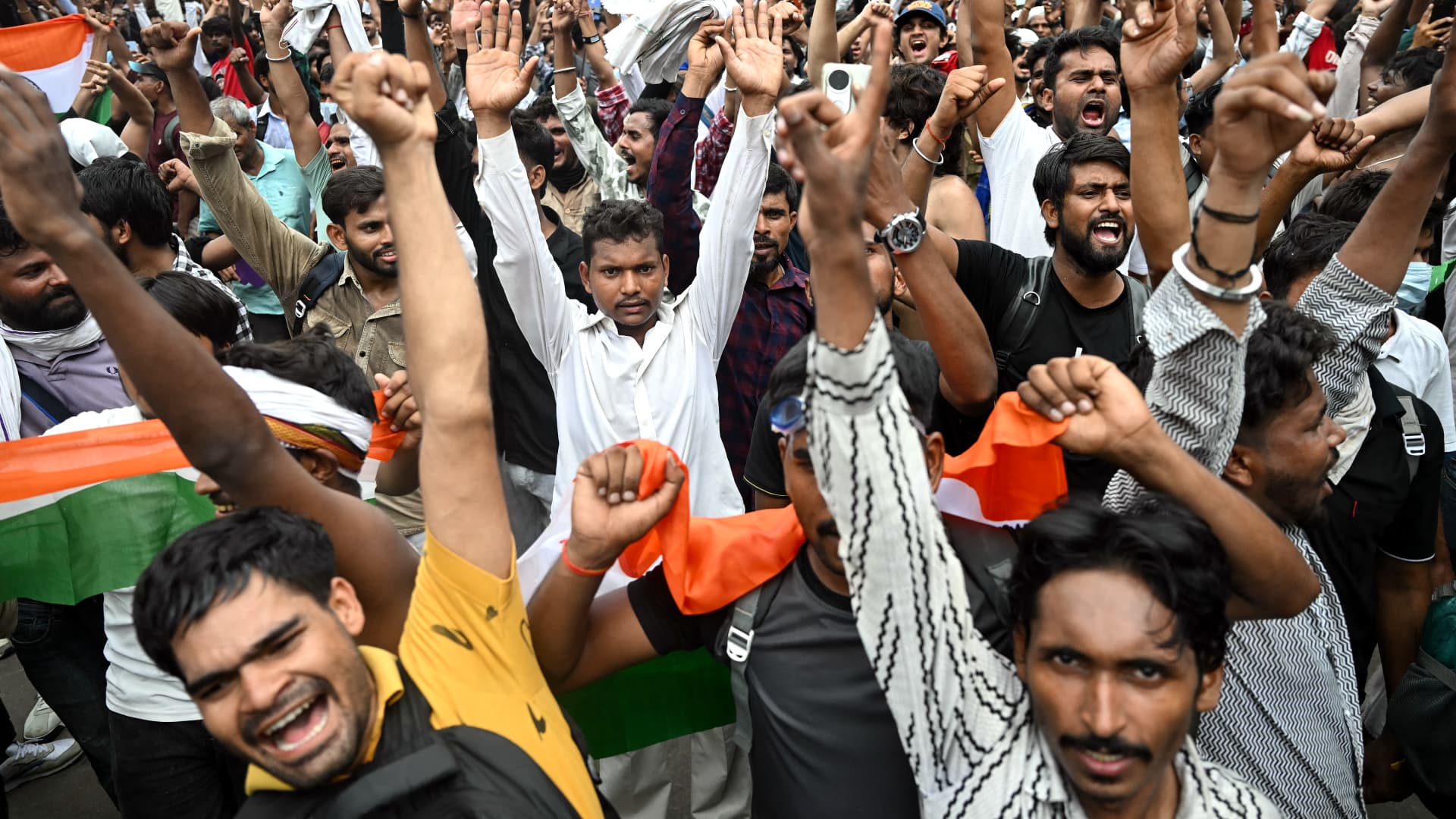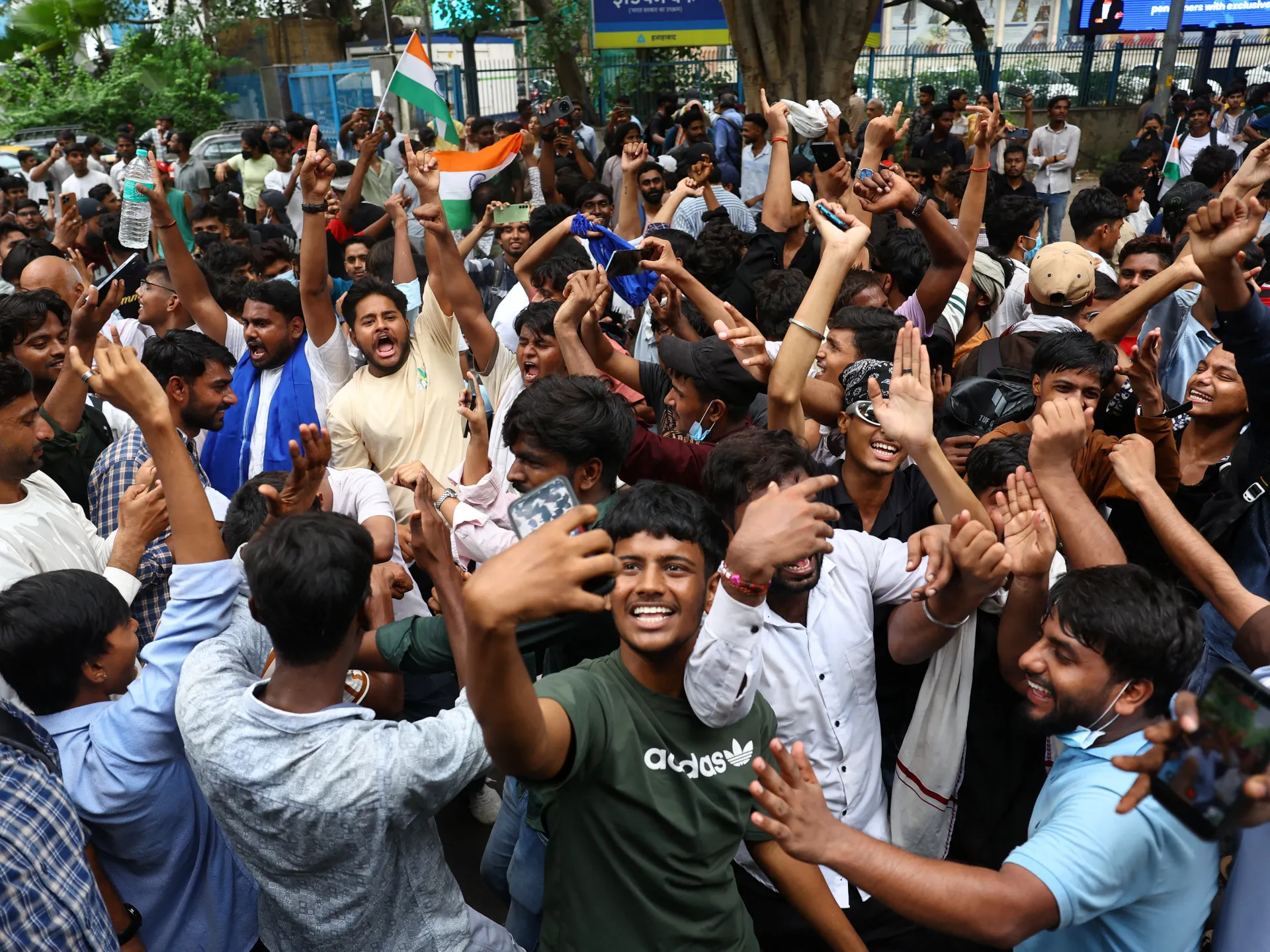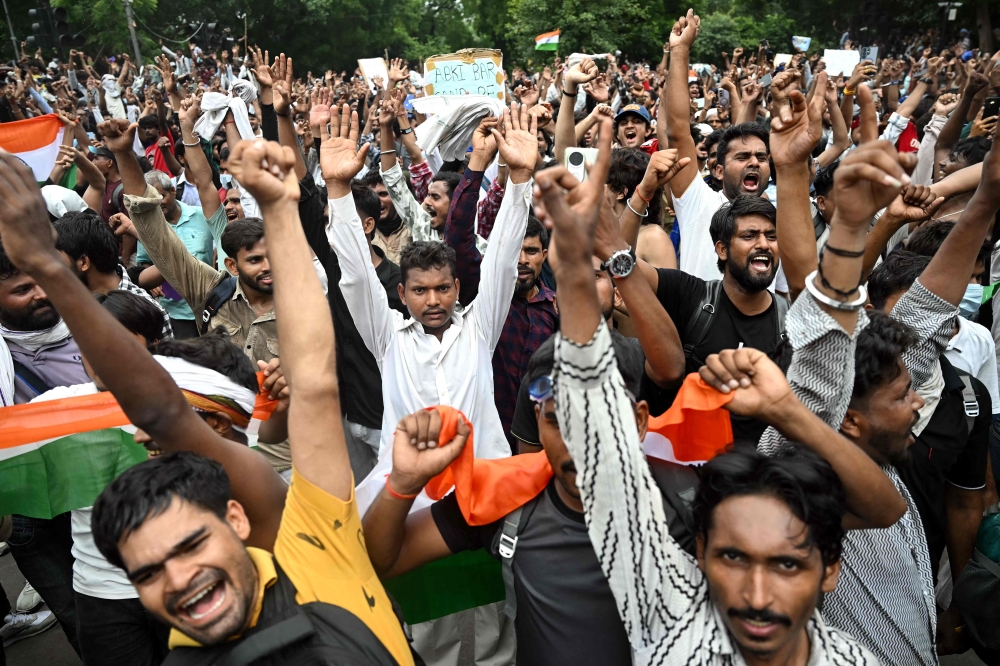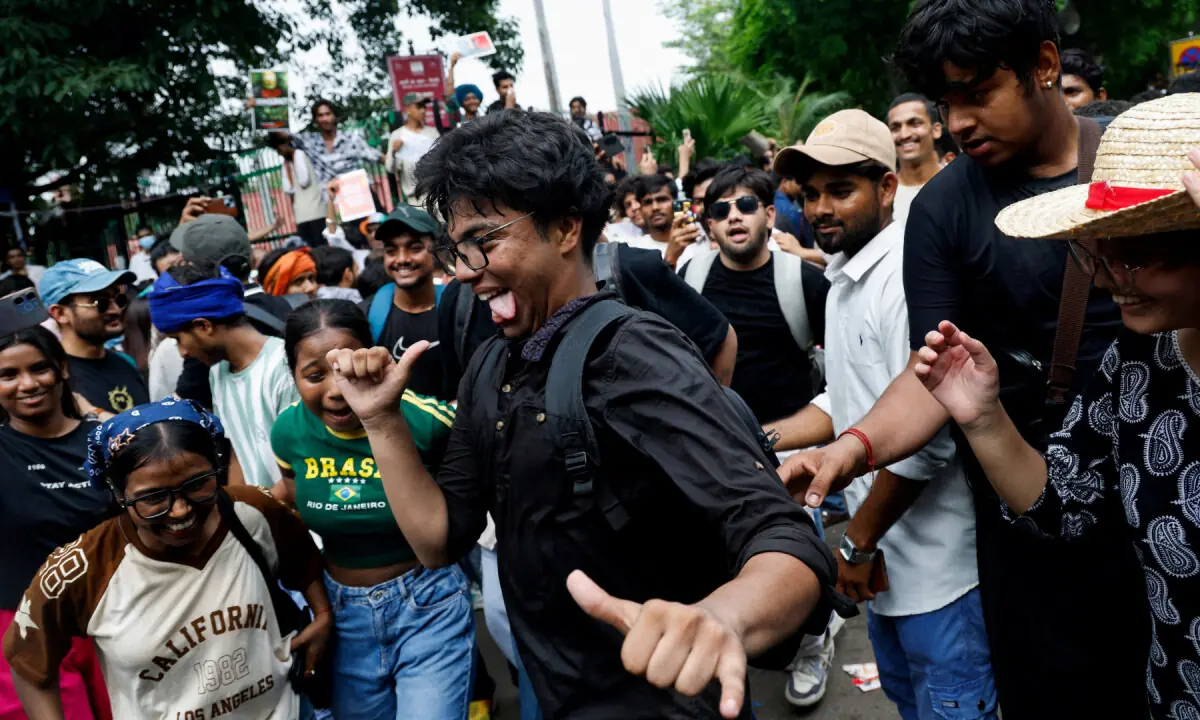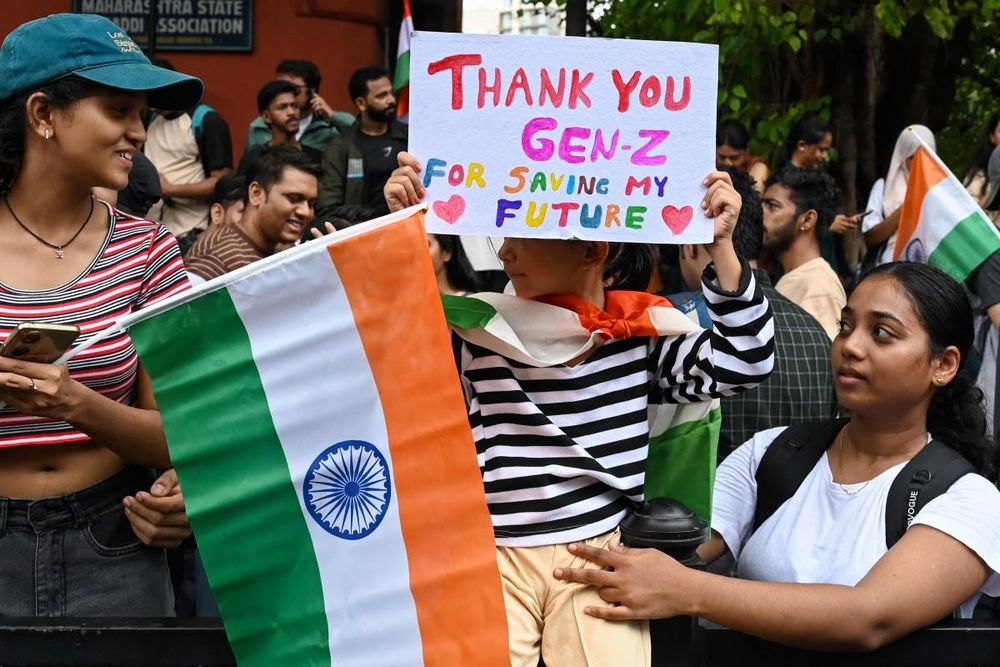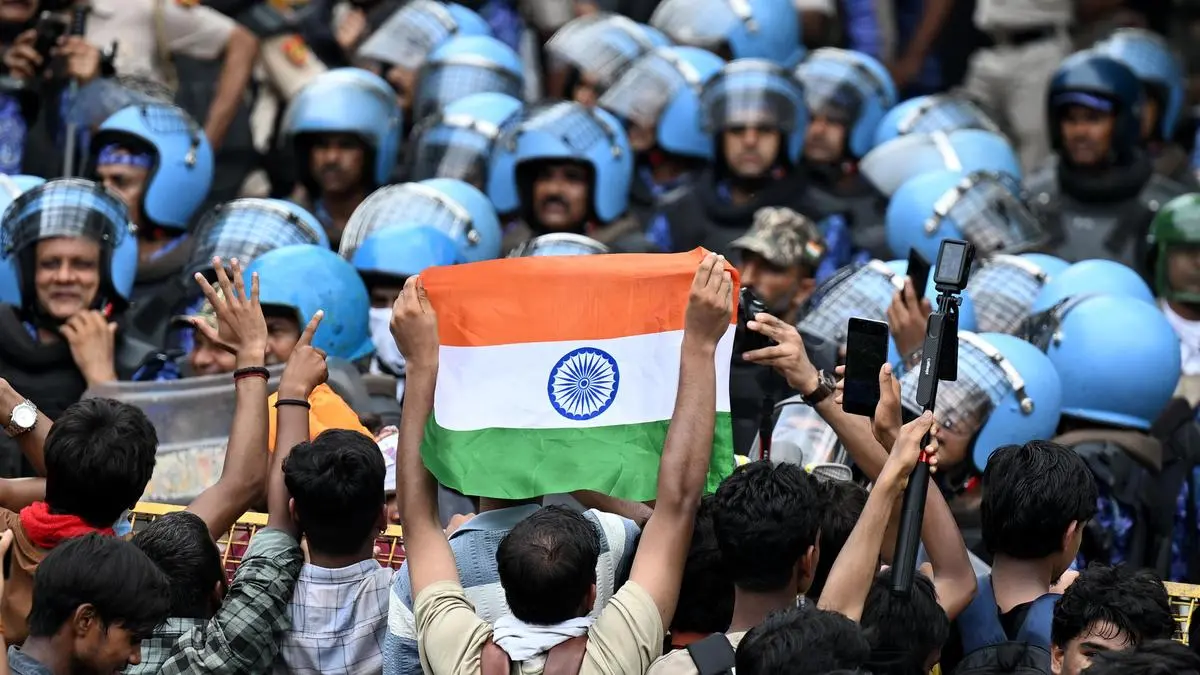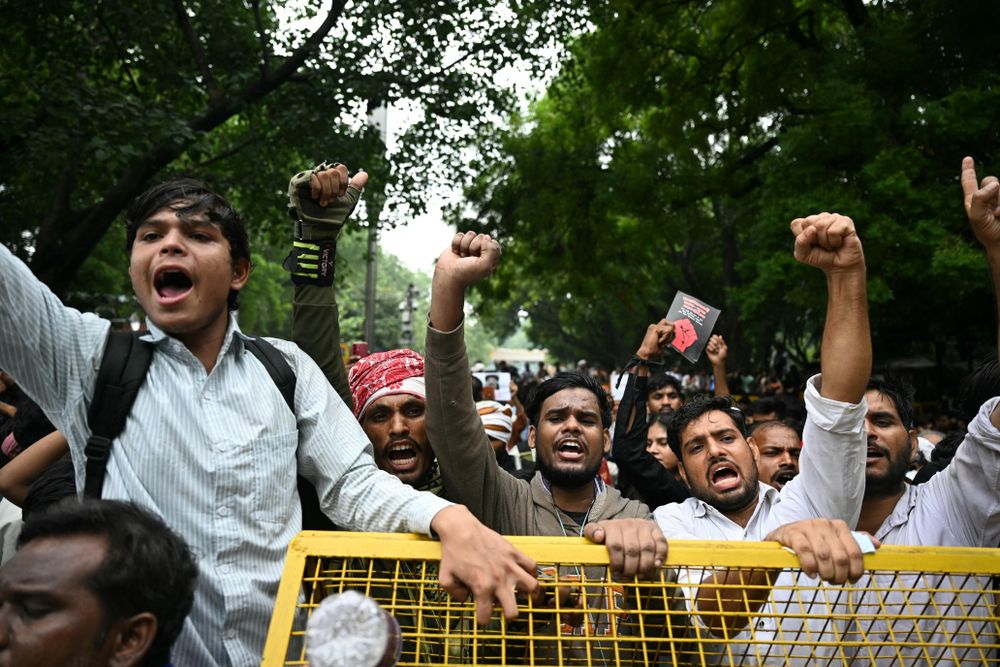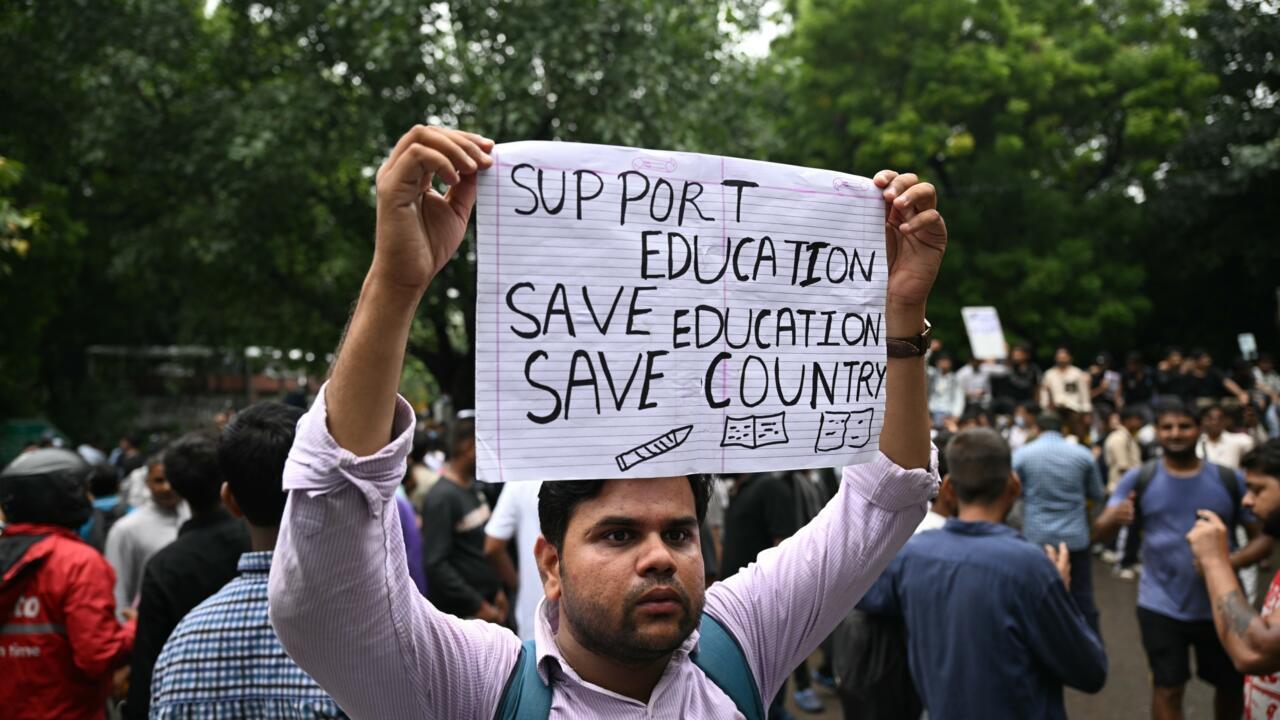
On July 25, student protests in India, led by the satirical Cockroach Janata Party (CJP), achieved their demand of forcing Dharmendra Pradhan, the minister of education in the Bharatiya Janata Party (BJP)-led government, to resign.
The genesis of the protests, which had been ongoing for several weeks, was the leakage of question papers of the National Eligibility cum Entrance Test (Undergraduate), otherwise known as the NEET (UG), held on May 3. The exam was canceled and a re-exam was held on June 21.
This caused enormous distress to students and parents, who had much at stake in clearing the exams and beginning the admissions process. At least a dozen students committed suicide after the test was canceled.
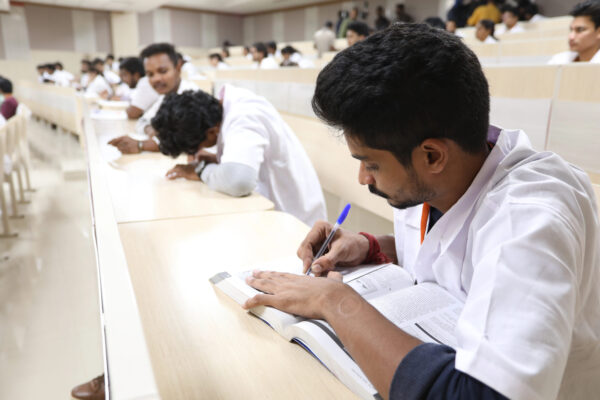
In India, students spend years preparing for exams and attending coaching classes in order to have a shot at getting into a number of competitive professions with limited seats. These include medicine, law, management, the civil service, and even the police force, as shown in the recent award-winning Indian film “Homebound.” This is quite different from many Western countries, many of which have a more flexible labor market and allow entry into a profession at any point in life, so long as one completes the proper degree and licensing. It is not unheard of for someone to attend law school or medical school in their 40s.