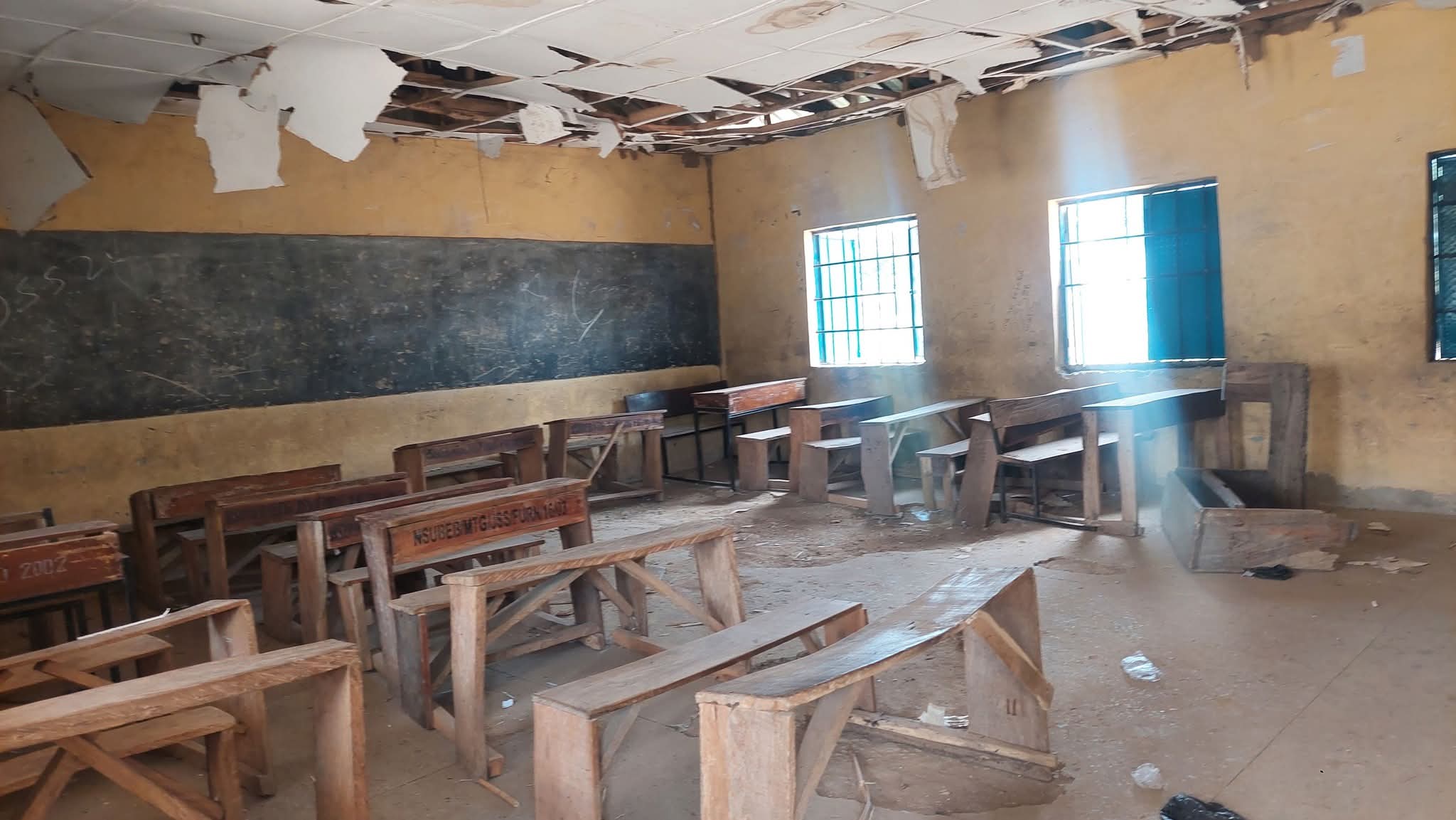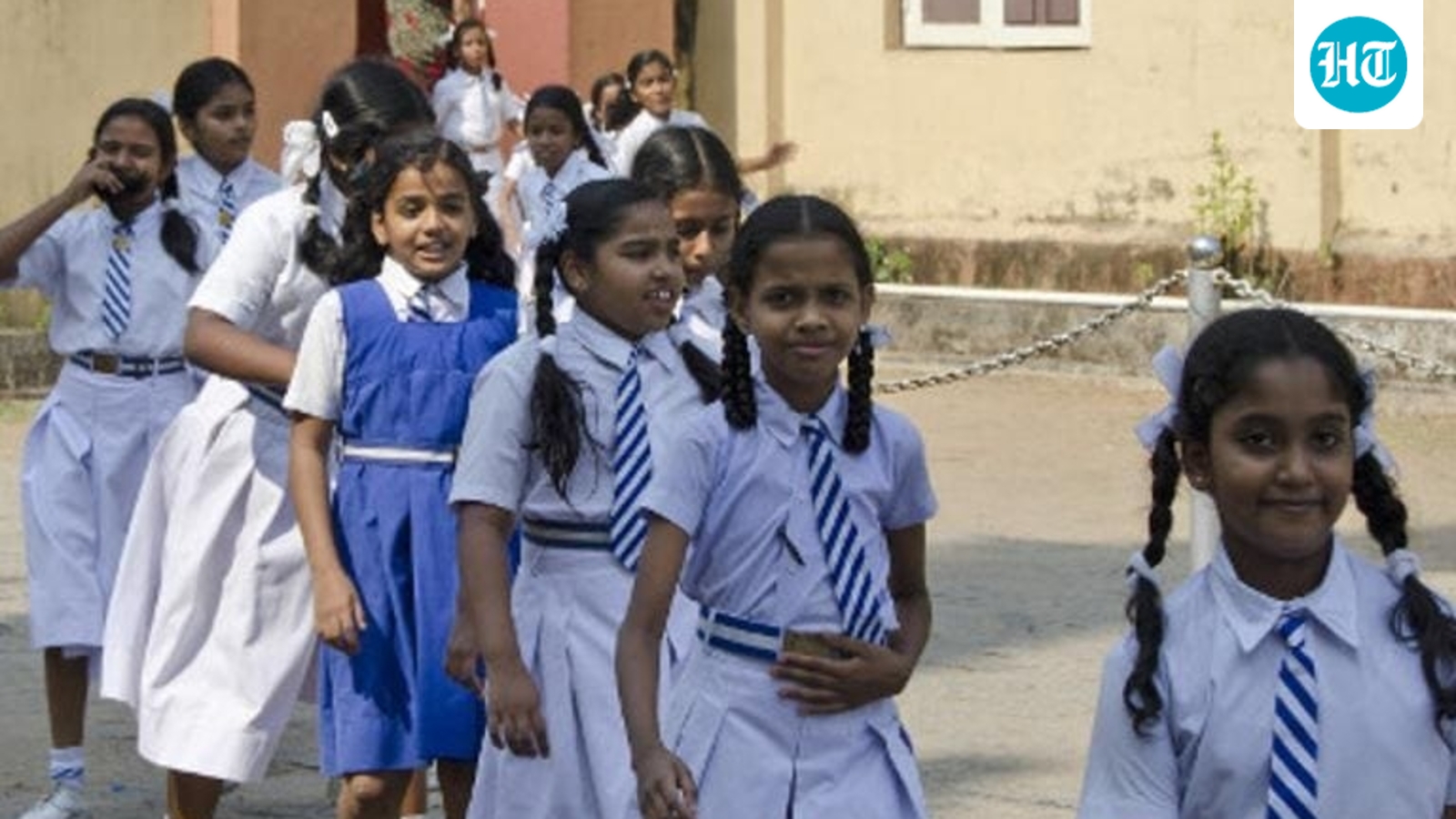
If a child who once struggled to read can now read confidently, if a teacher who once lacked support can now teach with better tools, if a dilapidated classroom becomes a safe place to learn, and if a bright child from an ordinary home can compete successfully on the national or international stage, then education has moved beyond politics.
Kwara: From fragmented fixes to systemic educational reform, By Kabir Olayinka
Every society that desires a better future must first decide what kind of education it wants for its children. It is one thing to construct school buildings; it is another to build an education system that equips children with competent teachers, decent classrooms, technology, and a genuine opportunity to learn.
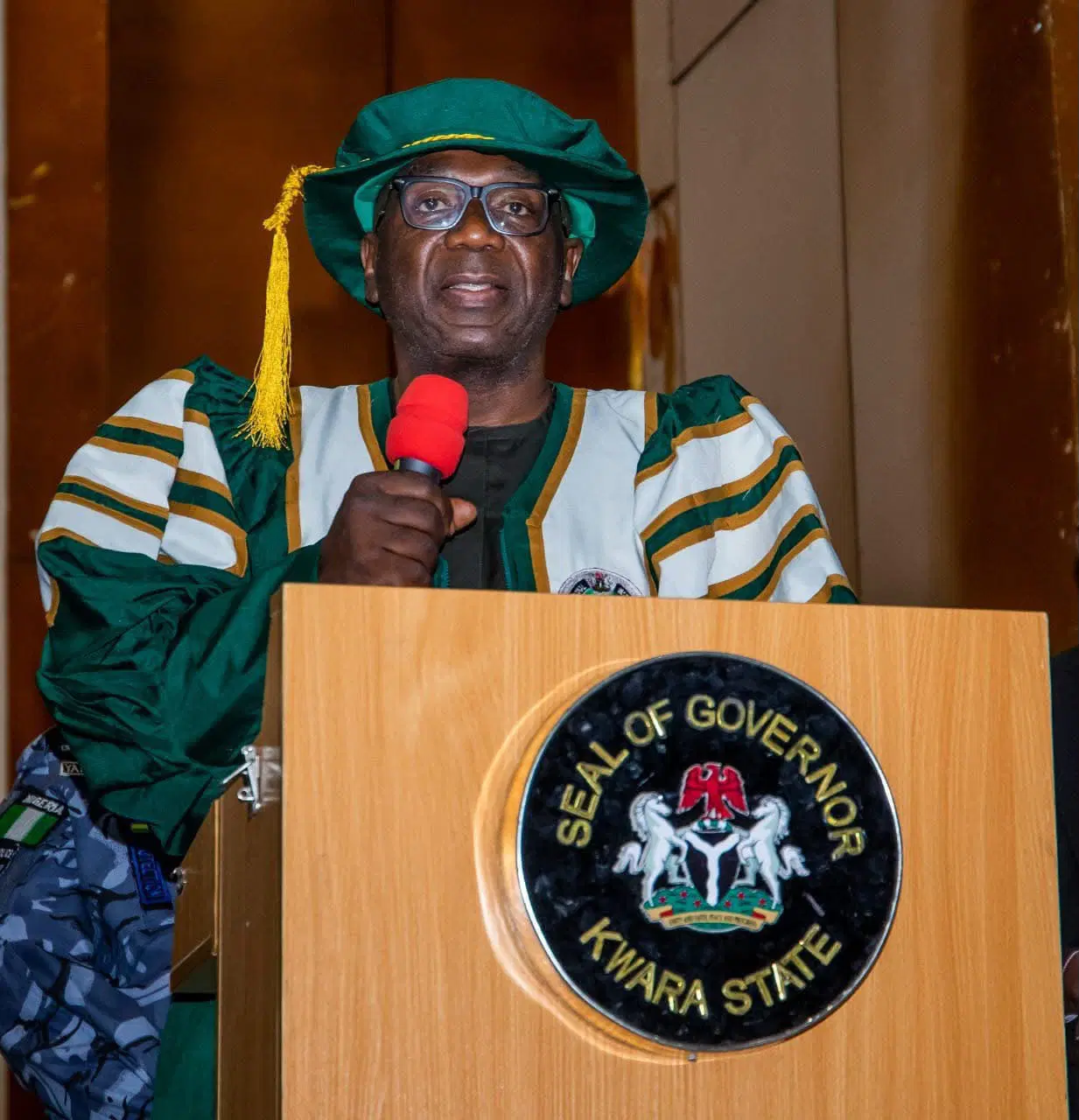
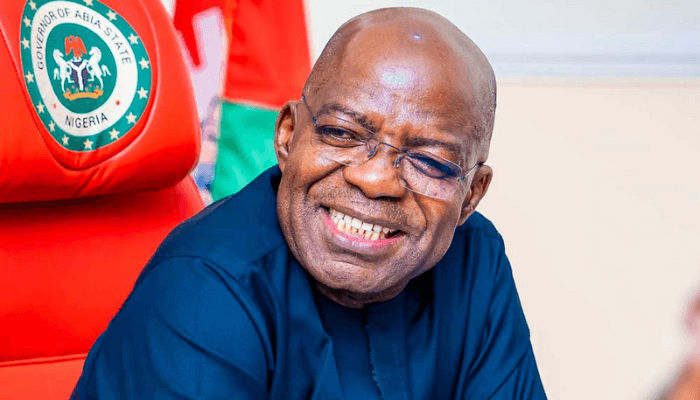
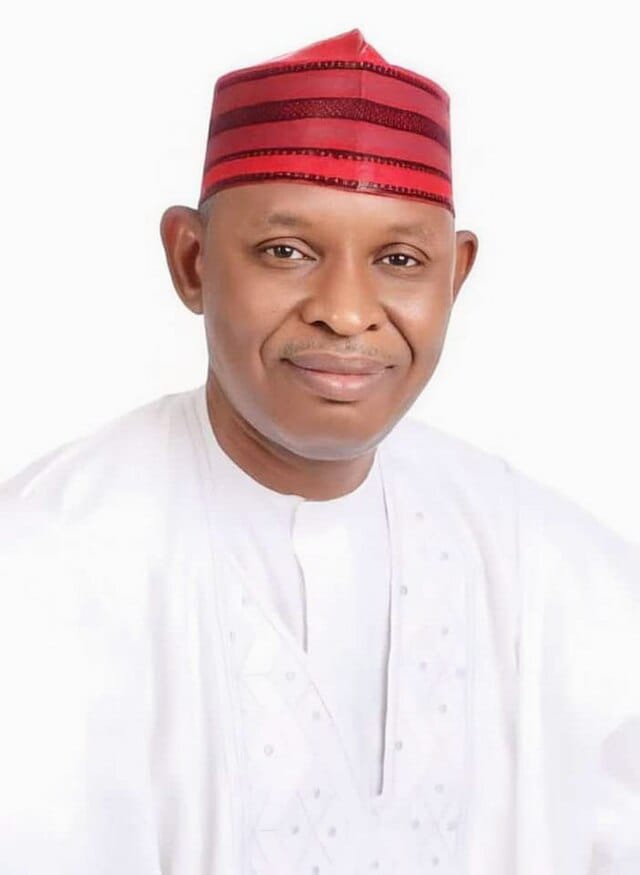
This is where the education strategy of Governor AbdulRahman AbdulRazaq in Kwara State deserves closer public evaluation.
When AbdulRazaq took office in 2019, Kwara’s basic education sector was burdened by systemic challenges, including outstanding counterpart funding obligations that had affected the state’s access to the Universal Basic Education Commission (UBEC) matching grants. The administration moved to clear the outstanding obligations, helping to unlock federal intervention funds and catalyse the rehabilitation of public schools across the state.