By Kabir Olayinka
Every society that desires a better future must first decide what kind of education it wants for its children. It is one thing to construct school buildings; it is another to build an education system that equips children with competent teachers, decent classrooms, technology, and a genuine opportunity to learn.
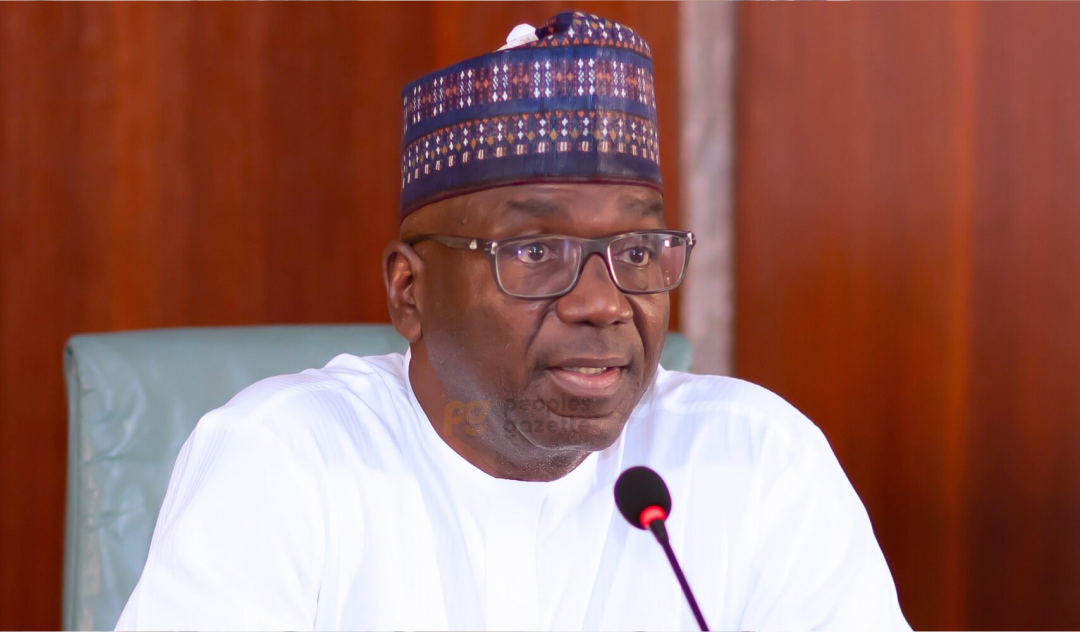
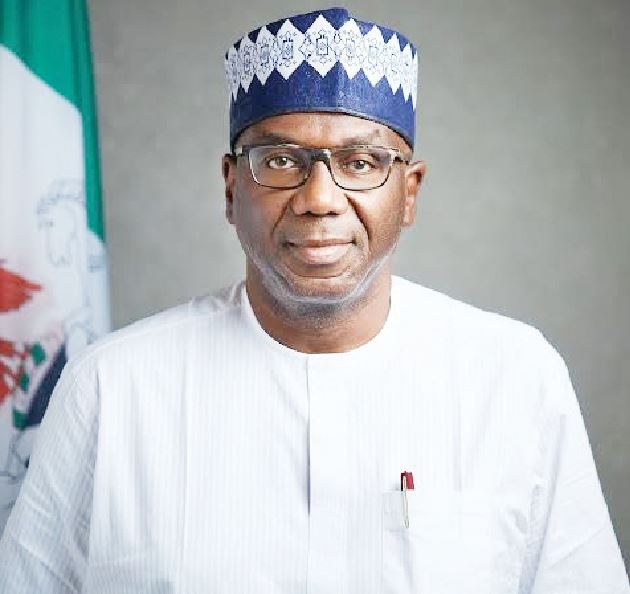
This is where the education strategy of Governor AbdulRahman AbdulRazaq in Kwara State deserves closer public evaluation.
When AbdulRazaq took office in 2019, Kwara’s basic education sector was burdened by systemic challenges, including outstanding counterpart funding obligations that had affected the state’s access to Universal Basic Education Commission (UBEC) matching grants. The administration moved to clear the outstanding obligations, helping to unlock federal intervention funds and catalyse the rehabilitation of public schools across the state.
Moving beyond financial recovery, the administration instituted transparent, merit-based Computer-Based Testing recruitment exercises, hiring thousands of qualified teachers while implementing the new national minimum wage. To relieve economic pressure on families, AbdulRazaq also moved to eliminate unofficial levies imposed on parents through school-based structures, while introducing direct running grants to support school maintenance and day-to-day operations.