Beyond roads, bridges and other signature projects, the ongoing infrastructure renewal in the Federal Capital Territory is also extending to institutions that shape Nigeria’s future. Among them is the Nigerian Law School, where extensive rehabilitation and modernisation projects are redefining the learning environment for aspiring legal practitioners. In this report, Raheem Akingbolu examines how the infrastructure drive spearheaded by the Minister of the FCT, Nyesom Wike, is transforming the nation’s foremost institution for legal education
There are moments in the life of an institution when new buildings represent far more than bricks, mortar and concrete. They become symbols of renewed purpose, fresh ambition and a determination to redefine the future. Such a moment unfolded recently at the Nigerian Law School Headquarters in Bwari, Abuja, where an impressive array of infrastructure projects transformed what could have been another routine government ceremony into a compelling statement about the future of legal education and judicial development in Nigeria.
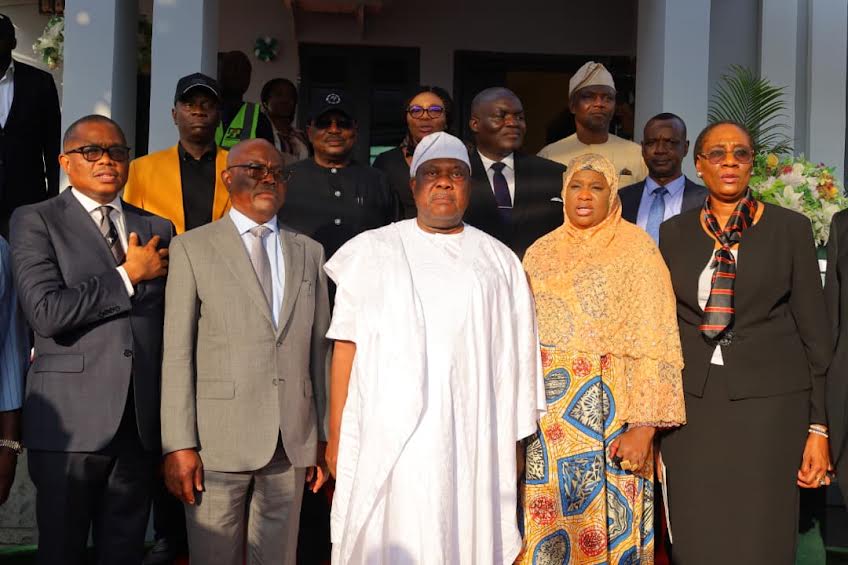
By the time the day’s engagements ended, ten newly completed staff quarters had been commissioned, the foundation laid for a state-of-the-art 2,500-capacity auditorium, twenty additional housing units approved, and the institution presented with its long-awaited Certificate of Occupancy after decades of operating without one. Earlier in the day, President Bola Ahmed Tinubu, represented by the Secretary to the Government of the Federation, Senator George Akume, had commissioned the new Body of Benchers Office Annex in Abuja, reinforcing an unmistakable message that investment in the legal profession has become an important element of the administration’s institutional reform agenda.