A review published in Nature Reviews Cardiology provides the most detailed picture yet of how nicotine damages the cardiovascular system—tracing the biological chain of events from the moment nicotine binds to receptors in blood vessel walls through to the atherosclerotic plaque rupture that triggers heart attacks and strokes.
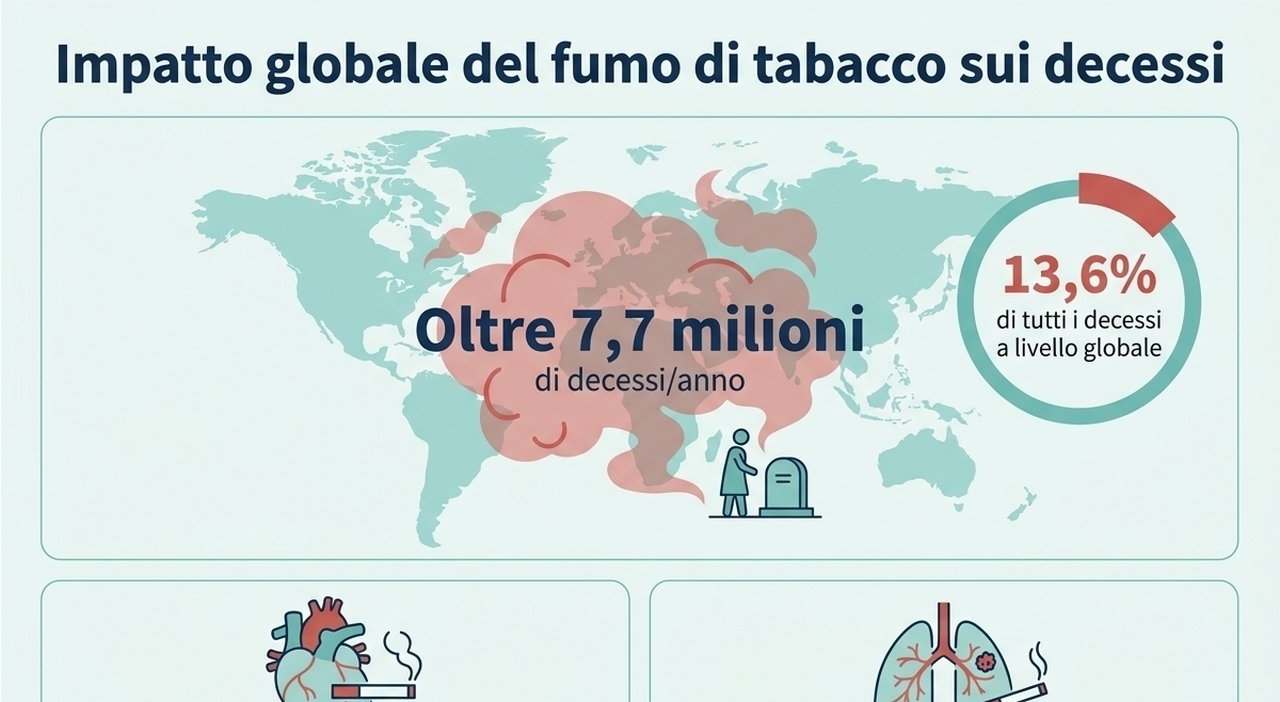
Tobacco use and nicotine addiction remain among the leading preventable causes of premature death worldwide. In 2023 alone, more than 1 billion people globally smoked tobacco, causing an estimated 5.81 million deaths from direct tobacco use and a further 1.66 million deaths among nonsmokers exposed to secondhand smoke. Close to 40% of these deaths are attributable to cardiovascular disease.
Rather than focusing on a single product category, the review integrates mechanistic, biomarker, preclinical and clinical data across all major nicotine-containing products for the first time.
"We wanted to settle a question that has been argued for years: Is the harm caused by nicotine related to smoking or is nicotine toxic by itself?" explained lead review author Professor Thomas Münzel of University Medical Center Mainz in Germany.
"We now show that nicotine activates receptors on blood vessel cells that switch off the enzyme that keeps vessels relaxed and open. This floods the vessel wall with damaging molecules and sets off a self-amplifying cycle of inflammation and clot formation. The pathway is active regardless of how the nicotine is delivered."